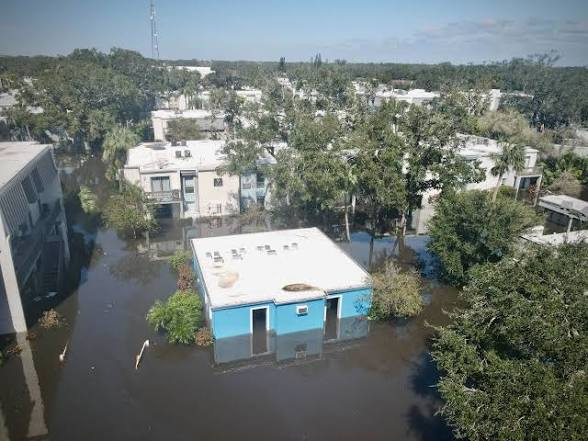
What Really Causes the Need for Water Removal in Sunny Isles Beach
Living in Sunny Isles Beach means enjoying oceanfront views, modern high-rise living, and a vibrant coastal lifestyle. However, behind the glass towers and luxury finishes, water intrusion is one of the most common—and misunderstood—problems property owners face.
Water removal in Sunny Isles Beach is rarely triggered by a single dramatic event. More often, it becomes necessary because coastal weather, building design, and moisture behavior quietly combine over time, allowing water to accumulate where it shouldn’t. By the time visible damage appears, professional water removal is already required.
Understanding what really causes the need for water removal helps homeowners, landlords, and property managers act earlier, reduce damage, and protect property value.
Why Sunny Isles Beach Is Especially Prone to Water Issues
Sunny Isles Beach sits directly between the Atlantic Ocean and the Intracoastal Waterway. This location places properties in a constant moisture-rich environment.
Key Local Conditions That Drive Water Intrusion
- Persistent high humidity
- Salt-laden coastal air
- Heavy seasonal rainfall
- Tropical storms and hurricanes
- High-rise construction with shared systems
- Continuous air conditioning use
Unlike inland areas, Sunny Isles Beach homes rarely get extended drying periods. Moisture introduced into a building often lingers, making water removal more complex and more urgent.
1. High Humidity That Never Fully Leaves
How Humidity Turns Into Water Damage
Humidity alone can create the need for water removal. When indoor humidity remains above 60% for long periods:
- Drywall absorbs airborne moisture
- Wood framing swells and retains dampness
- Insulation traps water vapor
- Flooring systems become saturated
This process happens without leaks or flooding. Moisture slowly accumulates until materials are wet enough to require professional drying and removal.
Why This Is Common in Sunny Isles Beach
- Ocean air constantly reintroduces moisture
- Buildings are tightly sealed, limiting ventilation
- Air conditioning cannot always dehumidify fast enough
Over time, humidity behaves like a slow, invisible flood.
2. Air Conditioning Condensation and Drain Failures
Air conditioning systems are one of the leading causes of water removal calls in Sunny Isles Beach.
Common AC-Related Water Issues
- Clogged condensate drain lines
- Overflowing drip pans
- Frozen coils that thaw and release water
- Poorly insulated ductwork sweating
Because AC systems run nearly year-round, even small drainage issues can release gallons of water over time.
Why These Leaks Go Undetected
- Air handlers are often hidden in closets or ceilings
- Moisture spreads behind walls and under floors
- Damage develops slowly without obvious dripping
By the time staining or odors appear, water removal is already necessary.
3. Wind-Driven Rain During Coastal Storms
Sunny Isles Beach regularly experiences storms where rain moves horizontally, not vertically.
How Wind-Driven Rain Enters Buildings
- Through window seals
- Sliding glass door tracks
- Balcony thresholds
- Roof flashing and penetrations
These intrusions often occur only during storms, making them difficult to detect during dry weather.
The Result
- Insulation becomes saturated
- Wall cavities remain damp
- Ceiling materials absorb moisture
Water removal is required not because of flooding, but because rainwater entered where it was never designed to go.
4. High-Rise Construction and Shared Plumbing Systems
Many Sunny Isles Beach properties are multi-story condominiums with shared infrastructure.
How Water Travels in High-Rises
- Leaks from upper units migrate downward
- Water travels through concrete slabs
- Plumbing failures affect multiple units
- Drain backups spread horizontally
In these buildings, water damage may appear far from the original source.
Why This Increases the Need for Water Removal
- Water spreads unseen through structural components
- Multiple materials become saturated
- Drying requires professional equipment
Water removal becomes a coordinated process rather than a simple cleanup.
5. Balcony and Exterior Drainage Failures
Balconies are a signature feature of Sunny Isles Beach properties—and a frequent water intrusion point.
Common Balcony-Related Problems
- Clogged drains
- Failed waterproofing membranes
- Improper slope directing water inward
- Cracked concrete allowing seepage
Water may slowly enter living spaces during heavy rain, saturating flooring and walls.
Because this water often seeps rather than floods, damage can persist unnoticed for weeks.
6. Plumbing Leaks That Spread Faster in Coastal Climates
Even minor plumbing leaks escalate quickly in Sunny Isles Beach.
Why Small Leaks Cause Big Problems
- High humidity prevents drying
- Enclosed cabinetry traps moisture
- Salt air accelerates pipe corrosion
- Warm temperatures speed material breakdown
A slow drip under a sink can saturate subfloors and walls before detection, making water removal unavoidable.
7. Slab Foundations and Moisture Migration
Many Sunny Isles Beach buildings are constructed on concrete slabs.
How Slabs Contribute to Water Problems
- Concrete absorbs moisture from the ground
- Elevated groundwater during rainy seasons
- Moisture migrates upward into flooring
This moisture may not look like standing water, but materials become wet enough to require extraction and drying.
8. Salt Air Accelerates Material Failure
Salt does more than corrode metal—it holds moisture against surfaces.
Effects of Salt-Laden Air
- Window frames degrade faster
- Sealants fail prematurely
- Metal fasteners corrode
- Surfaces remain damp longer
Once materials lose their protective integrity, water intrusion becomes more frequent and widespread.
9. Why Water Does Not Dry Naturally in Sunny Isles Beach
In dry climates, water damage may resolve with ventilation. In Sunny Isles Beach, this rarely happens.
Environmental Barriers to Drying
- Constant outdoor humidity
- Limited airflow in high-rises
- Continuous AC operation recycling moist air
Water trapped in walls, floors, and ceilings remains until actively removed.
This is why professional water removal equipment is essential—not optional.
10. Early Warning Signs That Water Removal Is Needed
Subtle Indicators
- Musty or damp odors
- Slight floor warping
- Condensation on vents
- Discoloration near baseboards
Advanced Indicators
- Visible ceiling stains
- Soft drywall
- Buckling flooring
- Persistent humidity indoors
Ignoring early signs allows moisture to spread, increasing restoration scope.
What Professional Water Removal Involves
Water removal in Sunny Isles Beach is a controlled, technical process.
Key Steps
- Moisture detection and mapping
- High-capacity water extraction
- Industrial dehumidification
- Air movement and drying
- Monitoring until materials are dry
Because of coastal conditions, drying often takes longer and requires more equipment than inland projects.
Why DIY Drying Rarely Works Here
Fans and household dehumidifiers cannot overcome:
- High ambient humidity
- Hidden moisture behind walls
- Saturated insulation
- Concrete slab moisture
DIY efforts often dry surfaces while leaving structural moisture untouched.
Why Local Coastal Experience Matters
Water behavior in Sunny Isles Beach differs from inland Florida.
Professionals familiar with the area understand:
- Coastal humidity cycles
- High-rise water migration patterns
- Salt air material degradation
- Storm-driven intrusion paths
Tip Top Water and Fire Damage Restoration works with Sunny Isles Beach properties regularly, addressing water removal challenges shaped by local conditions rather than generic assumptions.
Long-Term Strategies to Reduce Future Water Removal Needs
Humidity Control
Maintain indoor humidity between 45–55%.
HVAC Maintenance
Clean condensate lines and coils regularly.
Post-Storm Inspections
Check windows, balconies, and AC systems.
Plumbing Monitoring
Address even minor leaks immediately.
Moisture Assessments
Periodic inspections catch problems early.
Final Perspective
Water removal in Sunny Isles Beach is rarely about a single incident. It becomes necessary because coastal conditions allow moisture to accumulate faster than it can escape. High humidity, salt air, storms, AC condensation, and building design all contribute to this reality.
Understanding what truly causes water removal allows homeowners and property managers to act earlier, limit damage, and protect long-term property value. In a coastal city where moisture is always present in the environment, proactive water management is one of the most important aspects of responsible property ownership.