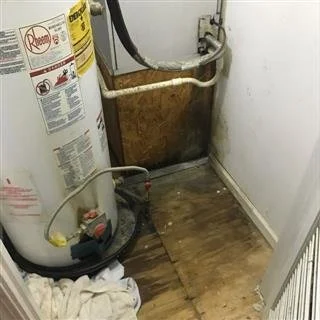
When Homes Require AC Moisture Repair in Bal Harbour
Bal Harbour is known for its coastal views, luxury residences, and warm, humid climate. While the ocean breeze makes the area appealing, the same environment creates constant challenges for air conditioning systems. In many homes, AC units run almost continuously to control temperature and humidity. Over time, this heavy use can lead to moisture problems that require professional repair.
Understanding when homes require AC moisture repair helps homeowners prevent mold growth, structural damage, and long-term HVAC issues.
Why AC Moisture Problems Are Common in Bal Harbour
Air conditioning systems naturally remove moisture from indoor air. This moisture collects as condensation and drains away through a condensate line. When everything works properly, homeowners rarely notice this process.
However, in coastal environments like Bal Harbour, several factors increase the risk of moisture-related problems:
High Outdoor Humidity
South Florida’s humidity levels remain elevated most of the year. AC systems must work harder to remove moisture, producing larger amounts of condensation.
Salt Air Exposure
Salt in coastal air can accelerate corrosion in metal components, including drain pans, coils, and fittings. Corrosion can lead to leaks or drainage failures.
Constant System Operation
Because air conditioners run frequently, small issues such as clogged drain lines or blocked filters can quickly become serious moisture problems.
Older or Improperly Maintained Equipment
Older systems or units that have not been serviced regularly are more likely to develop condensation issues.
These conditions make moisture repair a common service in Bal Harbour and nearby communities such as Sunny Isles Beach and Surfside.
Early Signs That AC Moisture Repair May Be Needed
Moisture problems often develop gradually, and early warning signs are sometimes overlooked. Recognizing these signs can prevent larger repairs later.
Common indicators include:
- Water stains on ceilings or walls near vents
- Dripping sounds inside walls or ceilings
- Musty odors when the AC runs
- Visible rust around air handlers
- Increased indoor humidity
- Peeling paint near vents or ducts
Even small signs should be investigated promptly, as moisture can spread behind walls or above ceilings.
How Condensation Problems Develop
Condensation problems usually begin with a blockage or malfunction in the drainage system. Dust, debris, algae, or mineral buildup can clog condensate lines, causing water to back up and overflow.
In some cases, drain pans crack or corrode, allowing water to leak into surrounding materials. Improper installation or insufficient insulation around ducts can also lead to condensation forming on the outside of ductwork.
Once moisture reaches drywall, insulation, or wood framing, it may remain trapped, creating ideal conditions for mold growth.
Hidden Damage Caused by AC Moisture
One of the biggest challenges with AC moisture problems is that damage often occurs out of sight. By the time stains or odors appear, moisture may have been present for weeks or months.
Hidden damage may include:
- Wet attic insulation
- Damp drywall behind walls
- Mold growth inside ductwork
- Warped wood framing
- Deteriorating ceiling materials
Because humidity slows drying, these problems can persist even after visible leaks stop.
Why DIY Repairs Often Fail
Some homeowners attempt to clear drain lines or clean visible moisture without identifying the root cause. While minor maintenance can help in some cases, DIY repairs often fail when:
- Blockages are deeper in the system
- Drain pans are damaged
- Duct insulation is inadequate
- Moisture has spread into structural materials
Incomplete repairs may temporarily reduce symptoms but allow moisture to return.
Professional AC Moisture Repair Explained
Professional moisture repair focuses on both fixing the HVAC system and addressing any damage caused by excess moisture.
The process typically includes:
Inspection and Moisture Detection
Technicians check drain lines, pans, ducts, and surrounding materials to identify the source of moisture.
Clearing Drainage Systems
Clogged lines are cleaned, and drainage flow is restored.
Repairing or Replacing Components
Damaged drain pans, insulation, or fittings may be repaired or replaced.
Drying Affected Areas
If moisture has spread to walls or ceilings, drying equipment may be used to remove trapped moisture.
Preventive Adjustments
Improvements to airflow, insulation, or maintenance schedules help reduce the risk of future problems.
Companies familiar with coastal conditions, such as Tip Top Water and Fire Damage Restoration, often emphasize moisture detection and drying because humidity in Bal Harbour can slow natural evaporation.
The Connection Between AC Moisture and Mold
Moisture from HVAC systems is one of the most common causes of indoor mold growth in South Florida. When condensation accumulates in ducts, ceilings, or closets, mold can begin developing within a few days.
Mold related to AC systems is often found:
- Inside air ducts
- Around vents
- In ceiling cavities near air handlers
- Behind walls adjacent to mechanical closets
Addressing moisture quickly helps prevent mold remediation later.
How AC Moisture Affects Indoor Air Quality
Excess moisture in HVAC systems can also affect indoor air quality. Damp ducts and insulation can trap dust and organic particles, which may circulate through the home.
This can lead to:
- Persistent odors
- Increased dust accumulation
- Reduced cooling efficiency
- Uneven airflow
Regular inspections and duct cleaning help maintain proper airflow and cleaner indoor air.
Preventing AC Moisture Problems in Coastal Homes
While humidity cannot be eliminated, several practical steps help reduce moisture risks.
Homeowners can:
- Schedule annual HVAC maintenance
- Clean or flush condensate lines regularly
- Replace air filters on schedule
- Inspect ceilings and vents for stains
- Keep mechanical closets ventilated
- Address small leaks immediately
Routine inspections are especially important in homes near the water, where humidity levels remain high year-round.
Why Local Experience Matters
AC moisture issues in coastal communities differ from those in inland areas. Salt exposure, high humidity, and continuous AC operation create unique conditions that affect both equipment and building materials.
Professionals who regularly work in Bal Harbour, North Miami Beach, and Aventura understand these environmental factors and can identify hidden moisture problems more quickly.
Local experience often results in more accurate diagnosis and more effective long-term solutions.
A Practical Perspective for Homeowners
AC moisture problems are common in coastal homes, but they are manageable when detected early. Paying attention to warning signs, scheduling routine maintenance, and addressing drainage issues promptly can prevent larger repairs and mold problems.
By understanding how condensation affects HVAC systems and surrounding materials, homeowners in Bal Harbour can protect their property, improve indoor comfort, and extend the life of their air conditioning systems.