
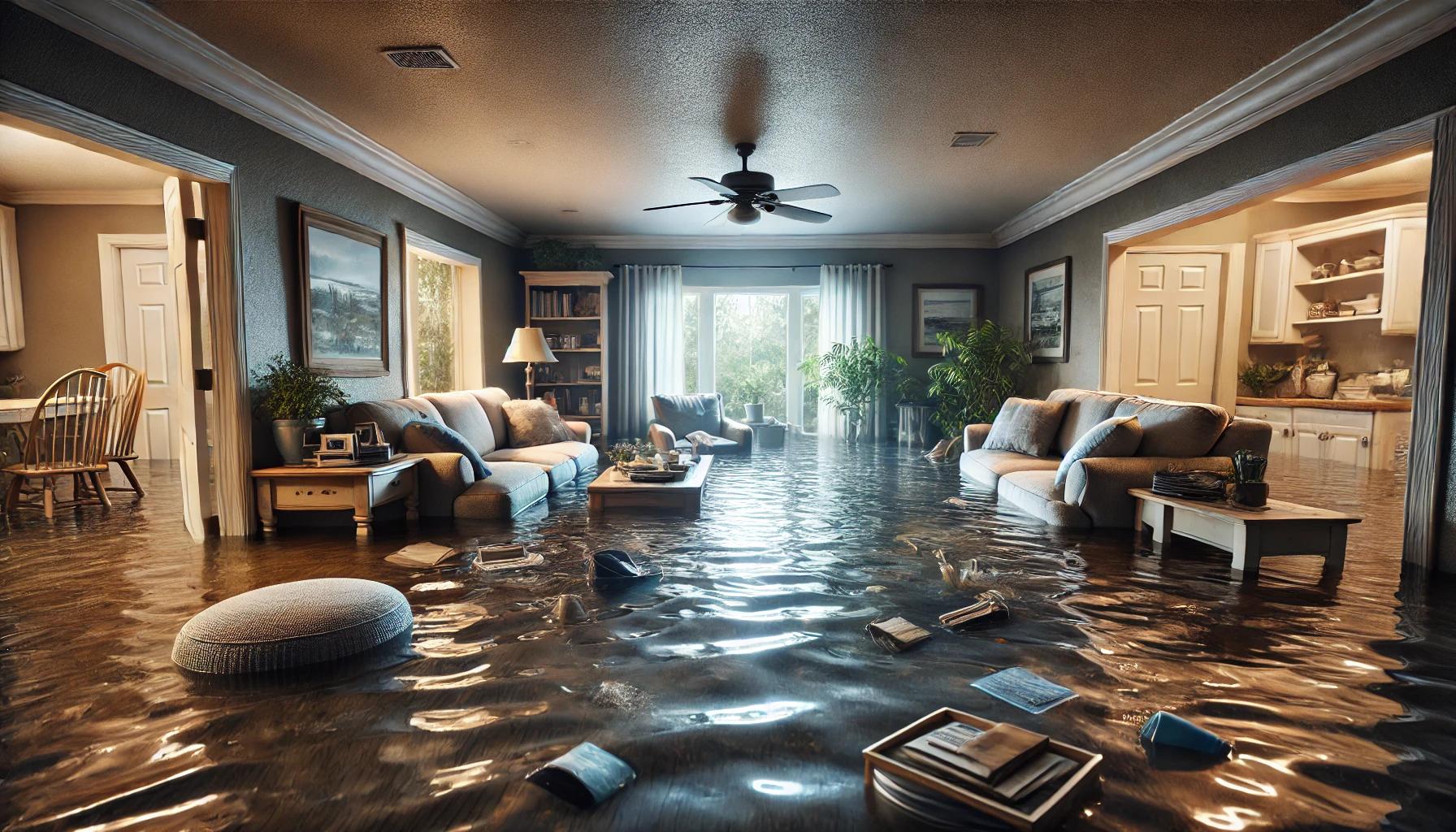
When Homes Require Flood Restoration in North Miami Beach
In North Miami Beach, flooding doesn’t always arrive as a dramatic storm surge.
Sometimes it’s a slow-rising water table after days of heavy rain. Sometimes it’s a broken supply line in a high-rise condo. Other times, it’s a clogged balcony drain during a summer downpour. The visible water may look manageable — but what happens underneath is what determines whether flood restoration becomes necessary.
In a coastal city surrounded by canals, close to Biscayne Bay, and exposed to year-round humidity, water behaves differently. Understanding when a home truly requires professional flood restoration can prevent long-term structural damage, mold growth, and recurring moisture problems.
Why Flooding Is So Common in North Miami Beach
North Miami Beach sits in a low-lying coastal zone influenced by:
- Elevated groundwater levels
- Heavy seasonal rainfall
- King tides
- Storm surge during tropical systems
- Wind-driven rain
- Continuous AC operation
These factors combine to create an environment where water intrusion is not unusual.
Nearby communities like Sunny Isles Beach, Aventura, and Miami Shores experience similar challenges, particularly in waterfront and slab-on-grade properties.
Flood restoration becomes necessary when moisture spreads beyond surface-level pooling.
Situation #1: Standing Water After Heavy Rain
After intense rainfall, water may enter through:
- Sliding door thresholds
- Window seal failures
- Garage door gaps
- Poor exterior drainage
Even a few inches of water can saturate:
- Drywall
- Baseboards
- Insulation
- Cabinet bases
- Subflooring
If standing water remains for more than a short period, professional extraction is required.
Surface mopping does not remove water trapped inside walls or beneath flooring.
Situation #2: Plumbing Failures in High-Rise Condos
In multi-story buildings common throughout North Miami Beach, plumbing leaks often affect multiple units.
Common causes include:
- Burst supply lines
- Appliance hose failures
- Water heater leaks
- Broken angle stops
Water may travel vertically through wall cavities and ceiling assemblies.
If a ceiling stain appears in a lower unit, hidden moisture above may already be significant.
Flood restoration is necessary when structural components become saturated — even if visible water seems minimal.
Situation #3: Slab Moisture After Prolonged Rain
Many homes in and around North Miami Beach are built on concrete slabs.
After several days of heavy rain, groundwater levels can rise.
Moisture may migrate upward through the slab and appear along:
- Flooring edges
- Baseboards
- Closet corners
Slab moisture spreads laterally before becoming visible.
Without moisture detection tools, homeowners may misidentify the source as a plumbing issue.
When slab readings show elevated levels, structured drying becomes necessary.
Situation #4: AC Condensation Overflow
Air conditioning systems remove large amounts of moisture daily.
Clogged condensate drain lines may cause water to overflow into:
- Ceiling cavities
- Mechanical closets
- Wall interiors
Because AC systems run almost year-round, condensation leaks can introduce continuous moisture.
If drywall becomes soft or stained near vents, flood restoration may be required to prevent mold growth.
Tip Top Water and Fire Damage Restoration frequently addresses AC-related water intrusion in North Miami Beach properties before the damage spreads further.
Situation #5: Storm Surge and Coastal Flooding
Waterfront properties face additional risk during tropical storms.
Storm surge may introduce saltwater into lower levels.
Saltwater accelerates corrosion of:
- Appliances
- Electrical systems
- Metal framing
- HVAC components
Flood restoration in these cases includes not only drying but also thorough cleaning to remove salt residue.
Ignoring salt contamination can lead to gradual structural deterioration.
Signs That Flood Restoration Is Necessary
Flood restoration is typically required when:
- Water remains for more than a brief period
- Drywall becomes soft or discolored
- Flooring warps or separates
- Musty odor develops
- Indoor humidity rises significantly
- Moisture readings remain elevated
If water spreads beyond the surface layer, professional drying is essential.
Waiting increases mold risk.
What Flood Restoration Involves
Proper flood restoration includes several structured steps.
1. Water Extraction
Commercial-grade equipment removes standing water from flooring and surfaces.
2. Moisture Mapping
Moisture meters identify dampness inside walls, ceilings, slabs, and subfloors.
3. Removal of Saturated Materials
Insulation, carpet padding, and heavily affected drywall may require removal.
4. Structural Drying
Air movers and dehumidifiers reduce moisture levels inside materials.
5. Monitoring and Verification
Moisture readings confirm that drying is complete before reconstruction begins.
Surface dryness alone is not enough in humid coastal climates.
Why Humidity Slows Natural Drying
In North Miami Beach, outdoor air often carries high humidity.
Opening windows after flooding may introduce more moisture rather than help drying.
Controlled dehumidification is necessary to draw moisture out of materials.
Stopping the drying process too early often results in:
- Recurring odor
- Mold growth
- Warped flooring
- Peeling paint
Complete drying is critical in South Florida’s environment.
Mold Risk After Flooding
Mold can begin developing within 48–72 hours if moisture remains.
Common growth areas include:
- Behind baseboards
- Inside drywall cavities
- Beneath tile
- Inside insulation
Once mold establishes itself, remediation becomes more complex than initial flood restoration.
Prompt action significantly reduces this risk.
HVAC Systems After Flood Events
Floodwater may affect HVAC systems by:
- Saturating duct insulation
- Damaging air handlers
- Increasing humidity imbalance
If ducts become damp, they may circulate moisture and odor throughout the home.
Inspection of HVAC components is often necessary during flood restoration.
High-Rise vs. Single-Family Considerations
In high-rise condos, water may travel between units, requiring coordination with building management.
In single-family homes near Biscayne Park and Miami Shores, slab moisture and yard drainage are frequent concerns.
Each property type requires tailored restoration strategies.
Local knowledge of coastal construction methods helps ensure proper drying.
Preventing Future Flood Restoration Needs
While not all flooding is preventable, homeowners can reduce risk by:
- Maintaining exterior drainage
- Cleaning balcony drains
- Servicing AC systems regularly
- Inspecting plumbing connections
- Monitoring indoor humidity
- Scheduling periodic moisture evaluations
Proactive maintenance reduces emergency restoration calls.
Why Local Coastal Experience Matters
Flood restoration in North Miami Beach requires understanding:
- Elevated groundwater behavior
- Salt air corrosion
- Slab foundation moisture migration
- High-rise building dynamics
- Continuous AC usage
Restoration methods must account for these coastal conditions.
Tip Top Water and Fire Damage Restoration approaches flood restoration with strategies tailored specifically to South Florida’s environment.
Local experience ensures that both visible water and hidden moisture are addressed.
Acting Early Protects Your Home
Flood damage rarely improves on its own.
What appears minor today can become:
- Mold growth
- Structural weakening
- Corrosion
- Indoor air quality issues
When homes in North Miami Beach experience water intrusion, early detection and structured drying make the difference.
Flood restoration is not just about cleanup. It’s about protecting structural integrity, indoor comfort, and long-term property value in a coastal climate where moisture is always present.