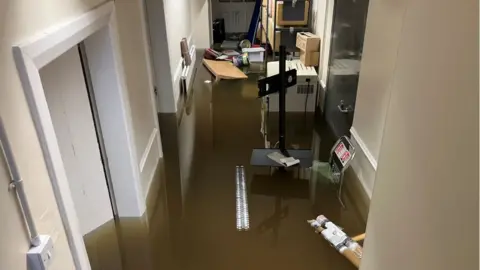
When Homes Require Flood Restoration in Sunny Isles Beach
Sunny Isles Beach is known for its coastal beauty, high-rise residences, and waterfront homes, but the same location that makes the area desirable also increases the risk of flooding and water intrusion. During heavy rain, storm surge, plumbing failures, or drainage problems, homes can quickly accumulate water that requires professional flood restoration.
Understanding when flood restoration becomes necessary helps homeowners respond quickly, limit structural damage, and prevent long-term issues such as mold growth or material deterioration.
What Flood Damage Really Means Inside a Home
Flood damage is not limited to standing water on floors. Water can seep into drywall, insulation, flooring, and structural components within minutes. Even after visible water is removed, moisture often remains trapped in materials and continues spreading.
In humid coastal environments like Sunny Isles Beach, evaporation occurs more slowly. This allows moisture to linger and increases the risk of secondary damage, including mold and weakening of building materials.
Flood restoration focuses not only on removing water but also on drying, cleaning, and restoring the affected areas to safe conditions.
Why Flood Restoration Is Often Needed in Sunny Isles Beach
Several environmental factors contribute to flooding risks in this area.
Heavy seasonal rains are common in South Florida, and short but intense storms can overwhelm drainage systems. Water may accumulate around foundations, seep through doorways, or enter ground-level units and parking areas.
Storm surge and tidal influences also affect properties near the coastline or canals. Even minor surge events can introduce water into garages, lower levels, or storage areas.
Air-conditioning and plumbing failures are another frequent cause. A broken supply line, clogged drain, or overflowing condensate pan can release large amounts of water in a short period.
In older properties across nearby communities such as Miami Shores and North Miami Beach, aging plumbing systems and worn roofing materials can increase the likelihood of water intrusion.
Common Signs a Home Needs Flood Restoration
Some signs of flood damage are obvious, but others develop gradually.
Standing water or soaked carpets are clear indicators, but homeowners should also watch for swelling baseboards, warped flooring, or drywall that feels soft to the touch.
A musty odor is another warning sign. This smell often appears within a day or two after water exposure and usually indicates that moisture remains trapped in materials.
Discoloration on walls or ceilings may appear as yellow or brown staining. Paint may begin to peel or bubble as moisture accumulates behind the surface.
Condensation on windows or vents and increased indoor humidity may also signal that drying is incomplete.
Hidden Areas Where Water Often Spreads
One of the biggest challenges after flooding is locating all affected areas.
Water frequently travels beneath flooring and into subfloors, where it may remain undetected. Carpeting and padding can hold moisture long after the surface appears dry.
Insulation inside walls is another common problem area. Once wet, insulation can retain moisture and promote mold growth if not removed or dried properly.
Air ducts located near floors or in ceilings may also be affected. Moisture inside ducts can circulate humid air throughout the home, slowing the drying process.
Without a thorough inspection, these hidden areas can continue causing damage even after visible water has been removed.
Why DIY Drying Often Isn’t Enough
Many homeowners attempt to dry flooded areas using fans or household dehumidifiers. While these methods may help reduce surface moisture, they rarely remove water trapped inside building materials.
Drywall, wood, and concrete can hold significant amounts of moisture. Without specialized drying equipment, these materials may take weeks to dry completely, especially in humid coastal conditions.
Another challenge is monitoring progress. Professional restoration teams use moisture meters to confirm when materials are fully dry, preventing premature repairs that can trap moisture inside walls or floors.
Incomplete drying is one of the most common reasons flood damage leads to mold problems later.
Professional Flood Restoration Process
Flood restoration typically begins with a detailed inspection to determine the extent of water intrusion. Technicians identify affected materials, locate hidden moisture, and evaluate humidity levels.
Water extraction is the next step. High-capacity pumps and extraction equipment remove standing water from floors, carpets, and other surfaces.
After extraction, drying equipment such as air movers and dehumidifiers is installed. These machines circulate air and remove moisture from both materials and the surrounding environment.
Drying may take several days, especially in Sunny Isles Beach where outdoor humidity remains high. Moisture levels are monitored daily to ensure drying is complete before repairs begin.
Companies such as Tip Top Water and Fire Damage Restoration often find that careful drying and monitoring prevent long-term structural problems in coastal properties.
Repairs and Restoration After Drying
Once materials reach safe moisture levels, repairs can begin. This may include replacing damaged drywall, repairing flooring, repainting walls, or restoring baseboards and trim.
In some cases, sections of carpeting or insulation must be removed and replaced. Structural repairs may also be necessary if water has affected framing or subfloors.
Restoration focuses on returning the property to its original condition while ensuring that moisture-related issues do not return.
Mold Risks After Flooding
Mold growth is one of the biggest concerns following a flood. Mold can begin developing within 24 to 48 hours when moisture is present, and humid coastal conditions accelerate this process.
Even small amounts of trapped moisture can allow mold colonies to form behind walls or under flooring. This is why thorough drying and inspection are critical parts of flood restoration.
If mold is detected, remediation may be required before reconstruction begins.
Air Conditioning, Ventilation, and Humidity Control
Air-conditioning systems play a major role in post-flood recovery. Properly functioning systems help reduce indoor humidity and speed up drying.
However, if ducts or air handlers have been exposed to moisture, they may need cleaning or inspection. Moisture inside ducts can slow drying and spread contaminants.
Maintaining AC systems and ensuring proper airflow helps prevent recurring moisture problems after restoration.
Preventing Future Flood Damage
While flooding cannot always be avoided, several steps can reduce the risk of severe damage.
Regularly inspecting roofs, plumbing lines, and windows helps identify potential leaks early. Keeping drainage systems clear and ensuring proper grading around foundations also helps prevent water intrusion.
Installing moisture alarms or leak detection devices near appliances and plumbing fixtures can provide early warning of problems.
After storms, checking floors, walls, and ceilings for signs of moisture allows homeowners to respond quickly before damage spreads.
Why Local Experience Matters
Flood restoration in coastal South Florida requires an understanding of how humidity, salt air, and building design affect drying times and moisture behavior.
Professionals familiar with Sunny Isles Beach, Aventura, and nearby bayfront communities know where hidden moisture is most likely to occur and how to manage drying in high-humidity environments.
Tip Top Water and Fire Damage Restoration has handled many flood restoration projects in coastal properties where early intervention prevented extensive repairs and long-term structural issues.
A Calm, Practical Next Step
Flooding can be stressful, but prompt action and proper restoration methods can significantly reduce damage. Understanding the signs of hidden moisture, ensuring thorough drying, and addressing problems early are the keys to successful recovery.
With the right approach, most homes in Sunny Isles Beach can be restored safely and effectively, allowing property owners to move forward with confidence.