When Homes Require Indoor Air Quality Improvement in North Miami Beach
Indoor air quality is something most homeowners rarely think about—until something feels wrong. A persistent musty odor, dust that returns quickly after cleaning, or rooms that feel humid even with the air conditioning running can all signal that indoor air quality needs attention. In North Miami Beach, where humidity, coastal weather, and frequent storms affect homes year-round, improving indoor air quality is often an essential part of home maintenance.
What Indoor Air Quality Means
Indoor air quality refers to the condition of the air inside a home, including humidity levels, airborne particles, odors, and ventilation efficiency. Poor air quality often develops gradually and may be linked to moisture, dust buildup, mold, or ventilation problems.
Indoor air quality improvement may involve:
- Removing moisture sources
- Cleaning air ducts and HVAC components
- Improving ventilation
- Drying damp materials
- Addressing mold or odor sources
These steps help restore clean, balanced air throughout the home.
Why Homes in North Miami Beach Often Need Air Quality Improvements
North Miami Beach and nearby areas such as Sunny Isles Beach, Aventura, and Bal Harbour experience environmental conditions that increase the likelihood of indoor air issues.
High humidity year-round
Moist air can accumulate indoors and reduce air freshness.
Frequent storms and heavy rain
Water intrusion can introduce moisture that affects air quality.
Continuous air conditioning use
HVAC systems circulate air throughout the home, and any contamination in the system can spread.
Warm coastal temperatures
Heat and humidity can intensify odors and slow drying of damp materials.
Because of these factors, indoor air quality concerns are common in coastal homes.
Situations When Indoor Air Quality Improvement Is Necessary
There are several common situations where improving indoor air quality becomes important.
After water damage or flooding
Even after visible water is removed, moisture in walls or flooring can affect indoor air.
Persistent musty or stale odors
Odors often indicate hidden moisture or ventilation issues.
Dust buildup and poor airflow
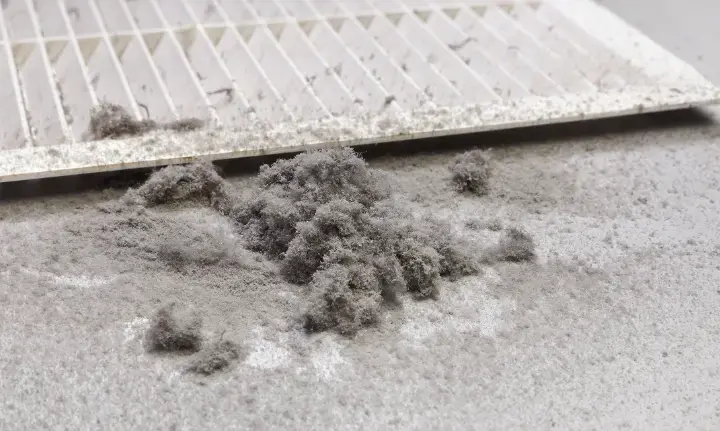
Dust returning quickly may suggest duct contamination or filtration problems.
After mold remediation or repairs
Air quality improvements help ensure contaminants have been fully removed.
HVAC issues or clogged filters
Reduced airflow and humidity imbalance often lead to discomfort indoors.
These situations often indicate that inspection and corrective measures are needed.
Early Signs That Indoor Air Quality Needs Attention
Many indoor air quality problems begin with subtle warning signs.
Property owners may notice:
- Musty or damp smells
- Rooms feeling humid or uncomfortable
- Dust accumulating quickly on surfaces
- Odors coming from vents
- Uneven cooling or airflow
These signs often indicate moisture or ventilation problems that should be investigated.
Hidden Sources of Poor Indoor Air Quality
Indoor air problems often originate in areas that are rarely seen.
Common hidden sources include:
- Damp insulation inside walls
- Moist attic spaces
- Contaminated air ducts
- Condensation near air handlers
- Water trapped beneath flooring
In humid climates, these areas may remain damp for extended periods if not properly dried.
The Connection Between Moisture and Air Quality
Moisture is one of the most important factors affecting indoor air quality. When building materials remain damp, they can release odors and allow mold or bacteria to develop.
Moisture may come from:
- Roof leaks
- Plumbing leaks
- AC condensation
- Poor ventilation
- High outdoor humidity entering the home
Moisture detection and drying are often the first steps in improving air quality.
Professionals familiar with local coastal conditions often emphasize identifying moisture sources early. Companies such as Tip Top Water and Fire Damage Restoration frequently begin indoor air quality improvements by locating and correcting hidden moisture.
HVAC Systems and Indoor Air Quality
Air conditioning systems play a major role in maintaining indoor air quality. When ducts or air handlers contain dust, moisture, or debris, contaminants can circulate throughout the home.
Potential concerns include:
- Mold or residue inside ducts
- Clogged air filters
- Condensation in air handlers
- Reduced airflow efficiency
Routine inspection and maintenance of HVAC systems help maintain clean air and consistent airflow.
How Indoor Air Quality Is Improved
Improving indoor air quality typically involves several steps designed to address both air circulation and moisture control.
1. Inspection and evaluation
Technicians identify sources of moisture, dust, or contamination.
2. Moisture removal and drying
Dehumidifiers and air movers reduce humidity and dry affected materials.
3. Cleaning ducts and ventilation systems
Removing dust and debris helps improve airflow.
4. Filter replacement and airflow adjustments
Improved filtration helps maintain cleaner air.
5. Monitoring humidity levels
Maintaining stable humidity helps prevent recurring problems.
These steps help restore balanced, comfortable indoor conditions.
Lessons Learned from Local Homes
Real situations from homes in North Miami Beach reveal several consistent patterns.
Humidity is often the main cause
Many air quality problems were linked to elevated humidity rather than visible contamination.
Air handlers are frequent problem areas
Condensation and clogged drain lines often contributed to indoor air issues.
Odors often originate in hidden spaces
Attics, closets, and ductwork frequently contained moisture.
Early inspection reduces repair costs
Homes inspected quickly usually required less extensive work.
These observations highlight the importance of routine inspections.
Practical Steps to Maintain Good Indoor Air Quality
Property owners can take simple steps to reduce the likelihood of air quality problems.
Helpful practices include:
- Replacing HVAC filters regularly
- Cleaning AC condensate lines periodically
- Monitoring indoor humidity levels
- Inspecting attics and storage areas for dampness
- Addressing leaks promptly
Routine maintenance often prevents minor issues from becoming major problems.
Why Local Experience Matters
Indoor air quality improvement in coastal South Florida requires understanding how humidity, storms, and building materials interact. Homes in North Miami Beach and nearby communities experience environmental conditions that differ significantly from inland regions.
Professionals familiar with local conditions understand:
- How coastal humidity affects drying times
- Where moisture commonly accumulates
- Which materials are most vulnerable
- How ventilation systems perform in humid climates
This knowledge helps ensure effective and long-lasting results.
A Practical Next Step for Property Owners
Indoor air quality problems often develop gradually, but they can affect comfort and long-term property condition if ignored. If you notice odors, humidity changes, or dust buildup, having the home inspected can help identify the source before problems grow larger.
Working with experienced restoration professionals such as Tip Top Water and Fire Damage Restoration helps ensure that moisture, ventilation, and airflow issues are properly addressed. With routine maintenance and prompt attention, homeowners in North Miami Beach can maintain clean, comfortable indoor air throughout the year.