When Homes Require Moisture Detection in Coastal Neighborhoods Near Biscayne Bay
Coastal neighborhoods near Biscayne Bay offer a coveted lifestyle with waterfront views, vibrant communities, and access to Florida’s natural beauty. However, living near the water also comes with unique challenges for homeowners, landlords, and property managers. Among the most pressing concerns in these areas is moisture intrusion. High humidity, frequent rains, storm surges, and air conditioning condensation create an environment where hidden water can accumulate, leading to structural damage, mold growth, and poor indoor air quality.
Moisture detection is a critical step in maintaining coastal properties. By identifying hidden water early, property owners can prevent damage to floors, walls, ceilings, and HVAC systems, safeguard the health of occupants, and avoid costly repairs. This guide explores why moisture detection is necessary, common sources of hidden water, methods for identifying moisture issues, and preventive strategies tailored to coastal neighborhoods near Biscayne Bay.
Understanding the Risks of Moisture in Coastal Homes
Moisture in homes may originate from visible leaks, hidden water infiltration, or high humidity. In Biscayne Bay neighborhoods, the combination of coastal air, frequent summer storms, and older building materials amplifies the risks associated with moisture accumulation. Key concerns include:
- Mold and Mildew Growth – Excess moisture provides a breeding ground for mold, which can grow on drywall, wood, carpeting, and insulation within 24–48 hours.
- Structural Damage – Prolonged moisture exposure can warp wood, weaken subflooring, and compromise wall integrity.
- Decreased Indoor Air Quality – Water-soaked materials harbor bacteria and mold spores, affecting the comfort and health of occupants.
- Hidden Damage – Moisture behind walls, under floors, or inside ductwork can go unnoticed until significant damage occurs.
Proactive moisture detection is essential to mitigate these risks and maintain the long-term safety and value of coastal properties.
Common Situations That Trigger the Need for Moisture Detection
Several scenarios increase the likelihood of moisture intrusion in coastal properties:
1. After Storms or Heavy Rainfall
Storm surges, high tides, and heavy rainfall can introduce water into homes through roofs, windows, sliding doors, and foundation cracks. Moisture may remain trapped in flooring, walls, or crawl spaces, creating an invisible problem that requires detection.
2. Post-Flooding or Water Damage
Even minor flooding from plumbing failures, appliance leaks, or outdoor runoff can leave residual moisture in carpet padding, subflooring, and baseboards. Early moisture detection prevents mold from establishing and spreading.
3. AC and HVAC Systems
Air conditioning units generate condensation that may overflow or leak, particularly in humid summer months. Moisture can accumulate in ductwork, drip pans, or ceilings, necessitating detection and remediation.
4. High Humidity Levels
Coastal properties experience consistently high humidity. Even without visible leaks, prolonged exposure to humid air can allow moisture to condense on walls, floors, and windows. Moisture detection can identify hidden accumulation before it leads to mold or structural issues.
5. Aging Plumbing and Roofing Systems
Older homes or rental units may have pipes, roofs, or flashing that are prone to leaks. Moisture detection helps identify areas of concern before a minor issue becomes a significant repair project.
6. Post-Construction or Renovation Work
Renovation projects can inadvertently trap water in walls or flooring. Moisture detection ensures that materials dry completely before closing up walls or installing new flooring.
Signs Homeowners Should Watch For
Even without professional detection tools, certain signs indicate that moisture may be present:
- Musty Odors – Persistent smells in closets, attics, or basements often signal hidden moisture.
- Water Stains or Discoloration – Staining on ceilings, walls, or flooring may indicate leaks or condensation.
- Warped or Soft Flooring – A spongy feel in carpets or hardwood floors can indicate water penetration.
- Visible Mold or Mildew – Small patches can appear on walls, baseboards, or window sills.
- Condensation or Dripping – Water droplets on AC units, pipes, or windows may indicate ongoing moisture issues.
- Tenant Complaints – Reports of odors, allergies, or damp areas should prompt immediate investigation.
Identifying these signs early can prevent long-term structural damage and protect indoor air quality.
Professional Moisture Detection Methods
Professional moisture detection uses a combination of visual inspection, specialized equipment, and testing to locate both visible and hidden water. Common techniques include:
1. Moisture Meters
Moisture meters measure water content in walls, ceilings, flooring, and subflooring. They are particularly useful for detecting moisture trapped in building materials.
2. Thermal Imaging Cameras
Infrared technology identifies temperature differences that indicate hidden water or damp areas behind walls or under floors.
3. Hygrometers
Hygrometers measure indoor humidity levels, helping determine whether conditions are conducive to mold growth and moisture accumulation.
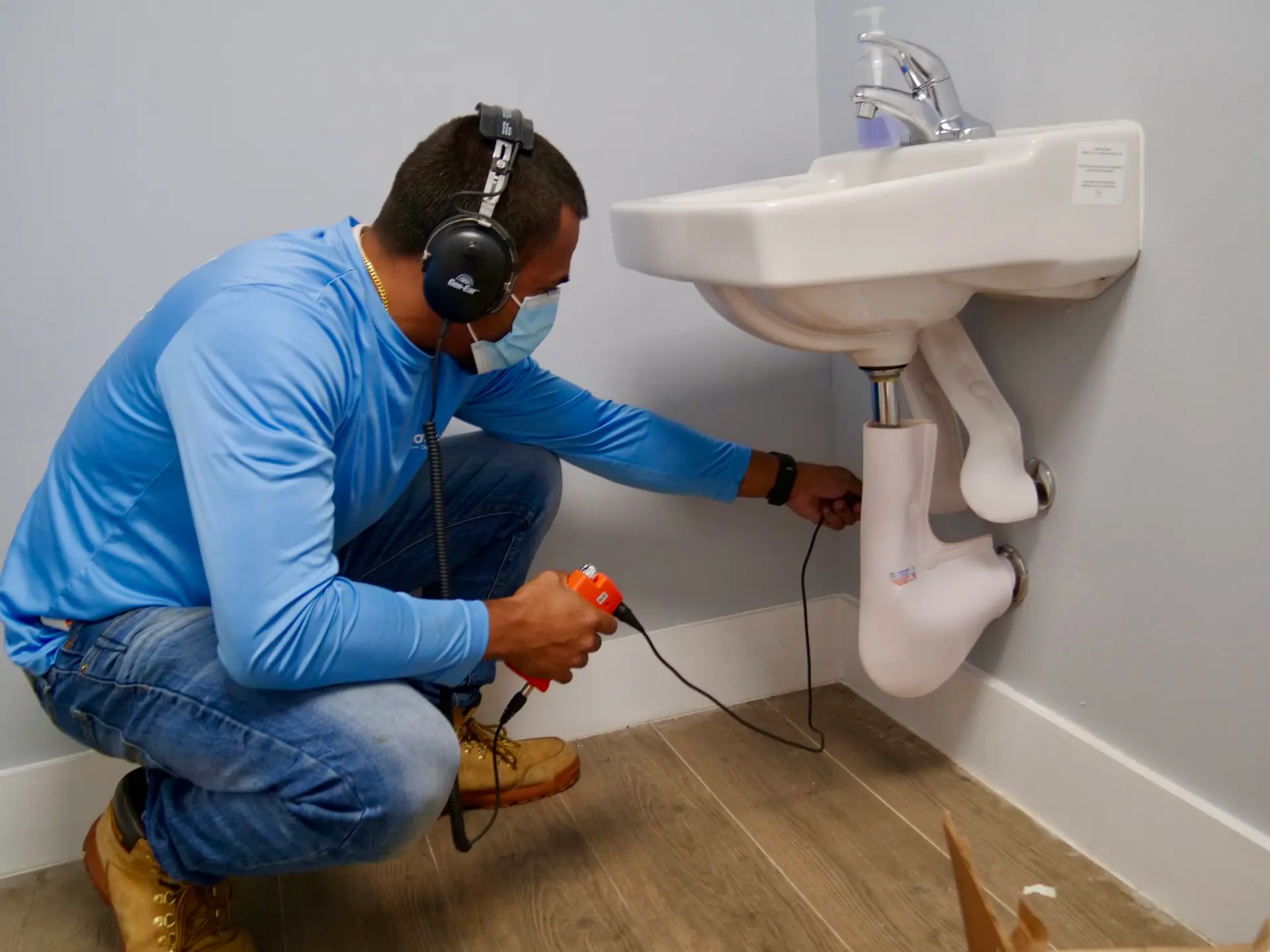
4. Acoustic Leak Detection
Specialized equipment detects sounds of water movement within pipes or behind walls, pinpointing leaks that are not visible.
5. Visual Inspection
A trained technician examines common problem areas such as attics, crawl spaces, bathrooms, kitchens, and HVAC systems for evidence of water damage.
Combining these methods ensures that even hidden moisture is identified, enabling targeted remediation and preventing future problems.
Real-World Observations from Biscayne Bay Properties
Properties along Biscayne Bay show recurring patterns that underscore the need for moisture detection:
- High-Rise Condos – Shared plumbing and duct systems make units vulnerable to leaks that can affect multiple residences.
- Coastal Homes – Salt-laden air accelerates corrosion and can contribute to unseen water infiltration.
- Flood-Prone Areas – Low-lying neighborhoods often experience minor flooding during heavy rains, leaving residual moisture in floors and walls.
- Mold Recurrence – Properties with undetected moisture often face repeated mold issues despite surface cleaning.
These observations demonstrate the value of early and regular moisture detection, particularly in coastal properties where environmental factors intensify risks.
Why DIY Moisture Detection Often Falls Short
Many homeowners attempt to identify moisture using visual inspection alone. While helpful for spotting obvious leaks, DIY methods often fail because:
- Moisture can be hidden behind walls, under flooring, or within ductwork.
- Slow or intermittent leaks may not produce immediate signs.
- Incorrect assessment can lead to incomplete remediation and recurring problems.
- Professional tools and expertise provide more precise detection and documentation.
Professional detection ensures that moisture is fully identified and addressed, reducing long-term risks.
Steps After Moisture Detection
Once moisture is detected, the typical remediation process includes:
- Addressing the Source – Repair leaks in plumbing, roofing, or AC systems.
- Water Extraction – Remove standing water from carpets, flooring, and affected materials.
- Drying and Dehumidification – Use industrial fans and dehumidifiers to remove residual moisture.
- Mold Prevention – Treat affected areas with antimicrobial solutions if mold growth is detected.
- Structural Assessment – Inspect flooring, walls, and ceilings for damage caused by prolonged moisture exposure.
- Documentation – Record findings, repairs, and remediation steps for insurance and property management purposes.
Prompt action prevents secondary damage and ensures properties remain safe and habitable.
Preventive Strategies for Coastal Homes
Property owners can reduce moisture risks through proactive maintenance:
- Routine Inspections – Check for leaks, water stains, and high-humidity areas regularly.
- Maintain AC Systems – Ensure drip lines, coils, and condensate pans are functioning correctly.
- Seal Roofs and Windows – Inspect and maintain flashing, seals, and roofing materials.
- Humidity Control – Use dehumidifiers and ventilation systems to maintain indoor humidity below 60%.
- Tenant Education – Encourage occupants to report leaks, odors, or visible water immediately.
- Annual Moisture Detection Assessments – Professional inspections help identify hidden issues before they escalate.
These strategies protect structural integrity, indoor air quality, and the long-term value of coastal properties.
Local Expertise Matters
Moisture detection in Biscayne Bay neighborhoods requires an understanding of:
- Coastal humidity and its impact on building materials
- Common construction types, including slab foundations, high-rise condos, and older homes
- Effective use of moisture meters, thermal imaging, and leak detection technologies
- Coordinating moisture detection with water damage repair, mold remediation, and AC maintenance
Tip Top Water and Fire Damage Restoration has extensive experience serving Biscayne Bay communities, North Miami, Sunny Isles Beach, Bal Harbour, Aventura, Miami Shores, Surfside, and Biscayne Park. Their local expertise ensures accurate moisture detection, thorough remediation, and preventive solutions tailored to coastal conditions.
Moving Forward
For homeowners, landlords, and property managers in Biscayne Bay neighborhoods, moisture detection should be a routine part of property maintenance:
- Schedule professional moisture assessments after storms, AC maintenance, or signs of leaks.
- Repair leaks and water intrusion promptly to prevent further damage.
- Extract and dry affected areas thoroughly.
- Monitor indoor humidity and maintain AC systems to prevent recurrence.
- Educate tenants and occupants on early warning signs.
- Maintain detailed records of inspections, repairs, and remediation.
By combining early detection, professional remediation, and preventive strategies, properties near Biscayne Bay remain structurally sound, safe, and comfortable for residents.