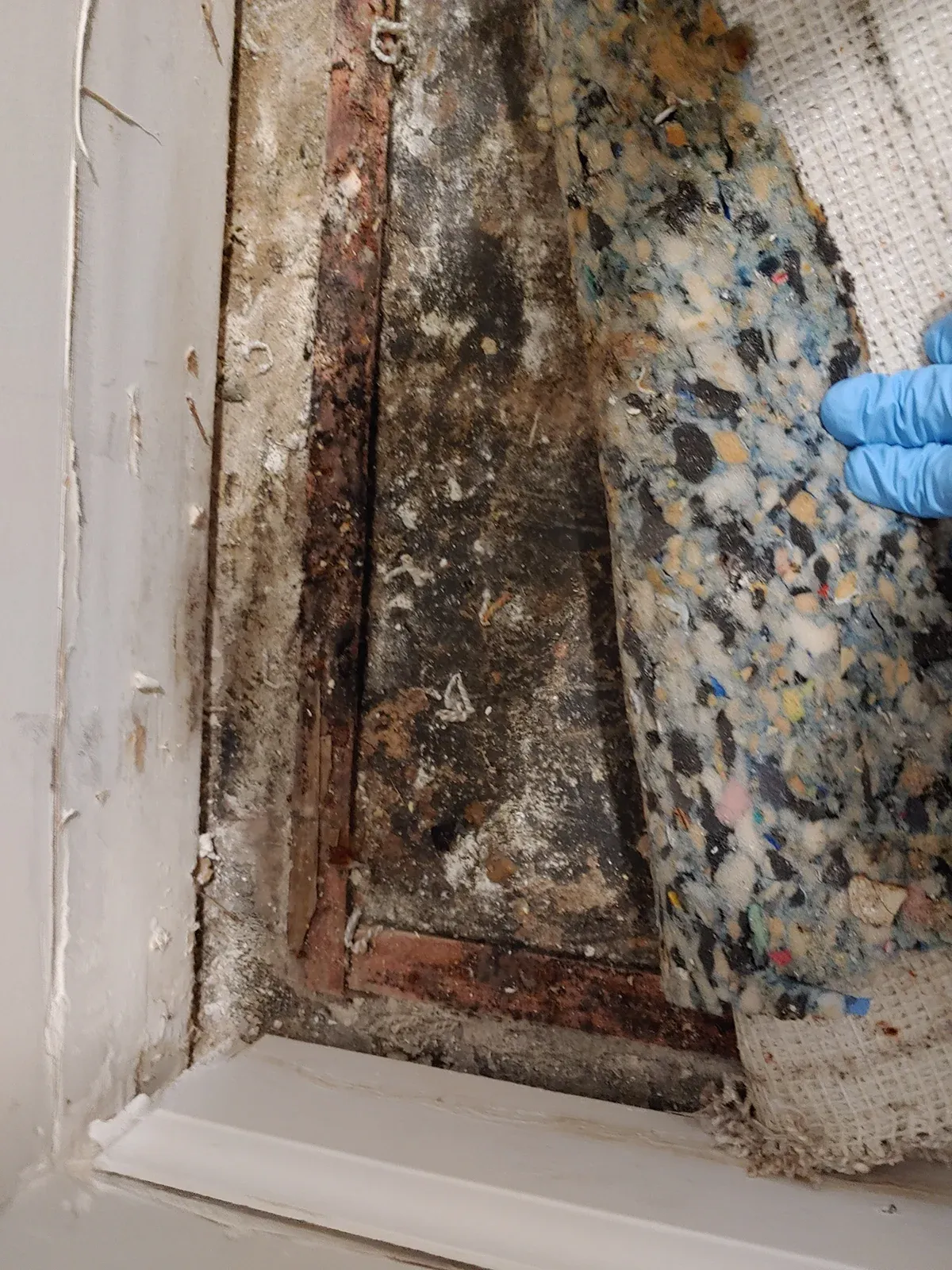
When Homes Require Mold Testing in Biscayne Park
Biscayne Park, a quaint and leafy community in North Miami-Dade, is renowned for its quiet streets, mid-century homes, and proximity to the water. While the neighborhood offers a serene living environment, it also presents unique challenges for homeowners when it comes to moisture management and mold growth. High humidity, frequent rains, and older home construction create ideal conditions for mold to develop, often hidden behind walls, under floors, or inside air conditioning systems.
For property owners, landlords, and property managers, understanding when mold testing is necessary is essential. Mold is not just an aesthetic issue—it can compromise structural integrity, cause unpleasant odors, and affect indoor air quality. Professional mold testing identifies hidden growth, determines contamination levels, and guides effective remediation to protect both the property and its occupants.
Understanding Mold and Its Risks
Mold is a type of fungus that reproduces through spores and thrives in moist, warm environments. While some mold spores are naturally present in all homes, uncontrolled growth can have serious consequences:
- Structural Damage – Mold weakens drywall, insulation, wood framing, and flooring over time.
- Persistent Odors – Musty smells often indicate hidden contamination.
- Air Quality Concerns – Mold spores circulating in the air can exacerbate allergies or respiratory irritation.
- Hidden Contamination – Mold often grows behind walls, under flooring, inside attics, crawl spaces, and in ductwork.
In Biscayne Park, the combination of Florida humidity, aging homes, and coastal weather increases the risk of mold proliferation. Even small leaks or condensation issues can allow mold to take hold quickly.
Why Homes in Biscayne Park Are Prone to Mold
Several local factors contribute to mold risk:
1. High Humidity
The tropical climate of North Miami-Dade results in daily humidity levels often above 70%. Homes without proper ventilation or dehumidification are particularly susceptible.
2. AC Condensation
Air conditioning is critical in Biscayne Park, but improperly maintained units or clogged condensate lines can leak water into ceilings, walls, or floors, creating hidden moisture zones.
3. Storms and Rainfall
Seasonal thunderstorms and hurricanes bring heavy rains that can infiltrate roofs, windows, and foundations. Even minor water intrusion can create the perfect environment for mold.
4. Aging Homes
Many Biscayne Park homes were built decades ago, featuring plaster walls, hardwood floors, and older plumbing. These materials absorb moisture and retain dampness longer than modern alternatives.
5. Slab Foundations and Crawl Spaces
Homes built on slabs or with enclosed crawl spaces may experience trapped moisture, especially after heavy rains or leaks, creating hidden mold growth opportunities.
Common Signs That Mold Testing Is Needed
Homeowners and property managers should consider professional mold testing if they notice:
- Visible Mold – Discoloration or black, green, or white patches on walls, ceilings, or floors.
- Persistent Musty Odors – Lingering smells in closets, attics, crawl spaces, or near AC vents.
- Water Stains or Warping – Bubbling paint, stained ceilings, or warped floors indicating moisture accumulation.
- Health Symptoms – Increased sneezing, coughing, or allergy-like symptoms among occupants.
- HVAC Issues – Musty odors or visible dust in vents, suggesting duct contamination.
- Previous Water Damage – Homes with a history of leaks, flooding, or roof damage are at elevated risk.
Early detection through professional testing prevents minor issues from escalating into major structural or indoor air quality problems.
Hidden Sources of Mold in Biscayne Park Homes
Mold often develops in areas that are not immediately visible:
- Inside Walls – Leaks behind drywall or behind cabinets may allow mold to thrive unseen.
- Under Flooring – Hardwood, laminate, and tile subfloors can harbor mold from minor leaks or condensation.
- Attics and Crawl Spaces – Poor ventilation can trap moisture, allowing mold to grow over time.
- HVAC Systems – Ductwork, vents, and AC components can accumulate spores and distribute them throughout the home.
- Exterior Penetration Points – Cracks around windows, doors, or the foundation allow water to infiltrate hidden spaces.
Because mold can be hidden, professional mold testing is often the only way to detect contamination accurately.
Why DIY Mold Tests Often Fail
Homeowners may attempt to identify mold using at-home kits, but these tests rarely provide the complete picture:
- Limited Accuracy – DIY kits may not detect hidden mold behind walls or in ducts.
- No Species Identification – Different mold types require different remediation strategies.
- No Moisture Source Detection – Without professional equipment, underlying water issues may go unnoticed.
- Incomplete Results – Many kits only indicate the presence of mold, not the extent or severity.
Professional testing ensures reliable results, proper identification, and guidance for effective remediation.
The Professional Mold Testing Process
Professional mold testing in Biscayne Park typically follows several key steps:
1. Initial Assessment
Technicians perform a detailed visual and environmental inspection:
- Visible Signs of Mold – Checking walls, ceilings, floors, and cabinetry for discoloration or growth.
- Moisture Detection – Using moisture meters and thermal imaging to locate hidden damp areas.
- HVAC Inspection – Evaluating ducts and vents for spore accumulation.
- Environmental Observation – Assessing humidity levels, ventilation, and water intrusion points.
This step identifies areas most at risk and informs the sampling strategy.
2. Sampling
Various methods are used to collect samples for analysis:
- Air Sampling – Measures spore concentration indoors versus outdoors to assess contamination.
- Surface Sampling – Swabs, tape lifts, or bulk materials test for mold on walls, floors, or furniture.
- Bulk Sampling – Removal of small portions of building materials for lab analysis to detect hidden mold.
- Environmental Testing – Moisture readings, humidity measurements, and thermal imaging complement lab tests.
Strategically chosen sampling locations ensure accurate detection of both visible and concealed mold.
3. Laboratory Analysis
Samples are sent to accredited laboratories for analysis:
- Species Identification – Determines the type of mold present, which affects remediation methods.
- Quantitative Assessment – Spore counts indicate the severity of contamination.
- Correlation With Moisture – Helps identify the source of water intrusion, such as plumbing leaks, roof damage, or AC condensation.
Lab results provide the foundation for an effective remediation plan.
4. Reporting and Recommendations
After analysis, homeowners receive a detailed report:
- Findings – Locations, species, and levels of mold detected.
- Severity Assessment – Minor, moderate, or extensive contamination.
- Source Identification – Highlights moisture issues that contributed to growth.
- Remediation Plan – Step-by-step guidance for mold removal and repair.
- Preventive Measures – Recommendations for humidity control, ventilation improvements, and ongoing monitoring.
A professional report allows property owners to make informed decisions about remediation and prevention.
Preventing Mold in Biscayne Park Homes
After mold testing and remediation, homeowners can implement measures to reduce future risk:
- Control Humidity – Use dehumidifiers and maintain indoor humidity below 60%.
- Maintain AC Systems – Clean coils, condensate pans, and drainage lines regularly.
- Prompt Leak Repairs – Address roof, plumbing, and appliance leaks immediately.
- Improve Ventilation – Ensure adequate airflow in attics, crawl spaces, and basements.
- Use Mold-Resistant Materials – Consider moisture-resistant drywall, insulation, and flooring during renovations.
- Schedule Regular Inspections – Periodic professional inspections catch moisture and mold issues early.
Proactive maintenance preserves property value and keeps indoor air safe.
Why Local Expertise Matters
Mold testing and remediation in Biscayne Park require local knowledge due to environmental factors unique to North Miami-Dade:
- Coastal Humidity and Salt Air – Professionals understand how moisture interacts with building materials in the area.
- Stormwater and Flood Risk – Local technicians account for seasonal rains and storm surges.
- Older Construction – Many homes require specialized inspection and remediation techniques.
- HVAC Design – Knowledge of local AC systems ensures hidden mold in ducts or vents is properly addressed.
Tip Top Water and Fire Damage Restoration provides the local experience necessary to identify and remediate mold effectively, serving Biscayne Park as well as North Miami, Aventura, Miami Shores, Bal Harbour, and Surfside.
Conclusion
Mold testing is a critical component of property maintenance for homes in Biscayne Park. Coastal humidity, older construction, AC condensation, and seasonal storms create conditions that make mold growth common, often hidden, and potentially damaging.
Professional mold testing identifies both visible and concealed mold, evaluates severity, and provides actionable recommendations for remediation and prevention. For homeowners, landlords, and property managers, investing in mold testing ensures that properties remain safe, structurally sound, and comfortable for residents, while minimizing long-term repair costs and preserving property value.
By understanding the signs of mold, the testing process, and preventive strategies, Biscayne Park property owners can proactively manage moisture and maintain healthy living environments in their homes.