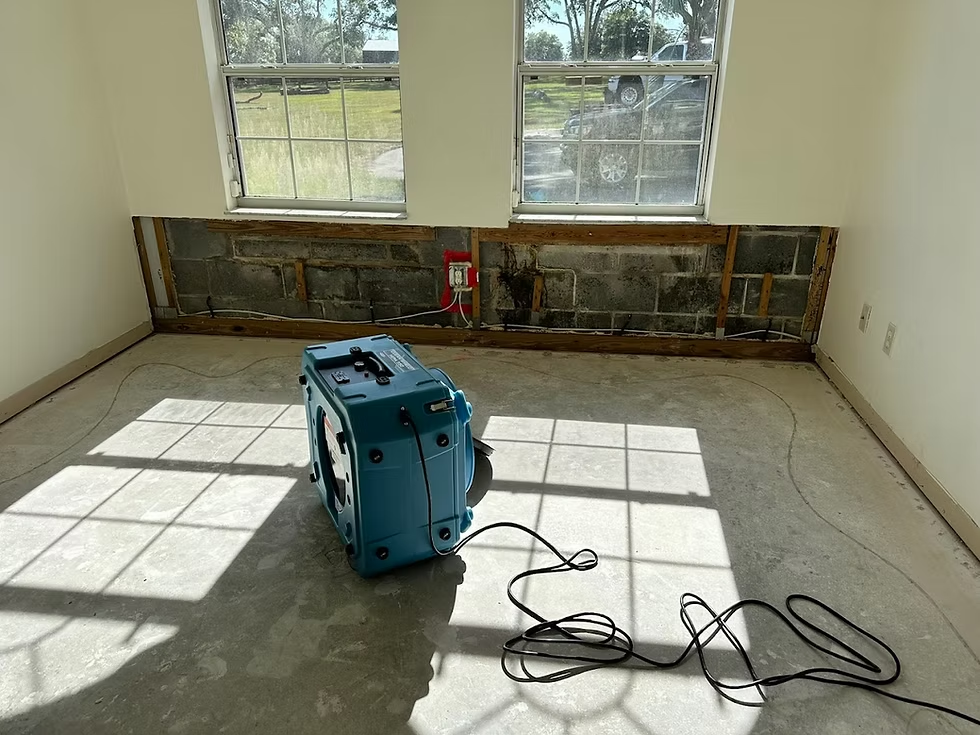
When Homes Require Mold Testing in Miami Shores
Mold is one of the most common hidden threats in coastal South Florida homes, particularly in Miami Shores, where high humidity, frequent storms, and older construction make properties especially susceptible. While visible mold growth may alert a homeowner to an issue, many problems remain hidden behind walls, under flooring, or inside ductwork. Mold testing is the professional approach to detecting these concealed issues before they cause structural damage, health concerns, or reduced property value.
Understanding when mold testing becomes necessary helps homeowners, landlords, and property managers take proactive steps. Real-world observations from Miami Shores properties highlight common scenarios that trigger the need for testing and demonstrate the consequences of delayed or ignored assessments.
Why Mold Testing Is Critical in Miami Shores Homes
Mold testing is essential because:
- Mold often grows in hidden locations, including wall cavities, under insulation, or inside HVAC systems.
- Miami Shores’ coastal environment accelerates moisture accumulation and fungal growth.
- Early detection prevents mold from spreading and causing costly repairs.
- Professional testing identifies both the type and concentration of mold spores, helping guide proper remediation strategies.
Even minor water events—like condensation leaks, slow roof drips, or AC overflow—can create conditions favorable for mold growth in weeks or months.
Common Situations Requiring Mold Testing
1. Visible Mold or Unexplained Stains
While not all discoloration is mold, visible growth often signals hidden moisture problems. Mold testing is necessary when:
- Stains appear on ceilings, walls, or baseboards
- Musty odors are present even without visible mold
- Previous remediation may have been incomplete
Professional inspection ensures that underlying sources are located and addressed.
2. After Water Intrusion Events
Homes that have experienced water intrusion, whether from:
- Storm-driven rain
- Roof leaks
- Plumbing failures
- Flooding from heavy rainfall
require mold testing to determine if moisture has infiltrated walls, floors, or attics. Even brief water events can leave materials damp enough to encourage fungal growth.
3. Persistent Humidity or Condensation Issues
High indoor humidity in Miami Shores often leads to subtle moisture accumulation. Mold testing is recommended when:
- Humidity remains above 55% consistently
- Windows, walls, or ceilings have condensation
- AC systems are not adequately dehumidifying
These conditions may not produce visible mold for weeks, but spores can already be forming inside structural materials.
4. Older or Coastal Construction
Many Miami Shores homes were built decades ago with materials that are more prone to moisture retention:
- Older insulation absorbs water more readily
- Original ductwork may harbor condensation
- Wood framing and drywall may retain dampness behind walls
Mold testing identifies whether aging structures harbor mold spores that are not immediately visible.
5. Health or Allergy Concerns
Some residents experience unexplained allergic reactions, respiratory symptoms, or irritation. Mold testing is often warranted when:
- Occupants experience recurring sneezing, coughing, or watery eyes
- Pets show signs of irritation
- Symptoms improve when away from the home, suggesting indoor contamination
Professional testing clarifies whether mold is the source of the problem.
How Professionals Conduct Mold Testing
Mold testing involves multiple steps and tools designed to locate hidden growth and quantify contamination levels.
1. Visual Inspection
Technicians begin by examining:
- Walls, ceilings, and floors
- AC units, ductwork, and vent openings
- Attic spaces, crawl spaces, and exterior-facing walls
They look for signs of water damage, staining, or past repairs that may conceal mold.
2. Moisture Assessment
Moisture meters and thermal imaging detect hidden dampness behind walls and under flooring. This step identifies areas that may not yet show visible mold but are conducive to growth.
3. Air Sampling
Air samples are collected to:
- Measure mold spore concentration
- Identify specific mold types, including black mold (Stachybotrys)
- Compare indoor and outdoor levels
These results help determine whether intervention is necessary and guide remediation.
4. Surface Sampling
Samples from walls, ceilings, or insulation confirm the presence of mold directly on materials. Laboratory analysis reveals the species and informs safe removal strategies.
5. Reporting and Recommendations
After testing, professionals provide a detailed report outlining:
- Areas with high moisture or contamination
- Identified mold species and concentrations
- Recommended remediation or further investigation
Reports are often critical for insurance claims, real estate transactions, and informed maintenance decisions.
Consequences of Delaying Mold Testing
Ignoring or postponing mold testing can lead to:
- Hidden mold spreading behind walls and ceilings
- Structural damage to wood, drywall, and insulation
- Health impacts from prolonged exposure to spores
- Escalating remediation costs
- Reduced property value and resale complications
In coastal homes like those in Miami Shores, even minor leaks can escalate quickly due to high humidity.
Preventive Measures for Miami Shores Homeowners
While mold testing is reactive, proactive measures can reduce the likelihood of future issues:
Maintain Indoor Humidity
- Use properly sized AC systems or dehumidifiers
- Keep humidity between 45–55%
Inspect and Maintain Roofing and Gutters
- Ensure no leaks or water pooling
- Check flashing, seals, and downspouts
AC System Maintenance
- Regularly clean ducts and condensate lines
- Inspect for leaks or corrosion in units and pans
Routine Moisture Monitoring
- Use moisture meters or sensors in attics, closets, and crawl spaces
- Schedule professional inspections annually
Real-World Observations from Local Properties
Miami Shores homes demonstrate consistent patterns:
- Mold often begins in hidden areas: wall cavities, attic insulation, and ductwork
- AC systems in older homes are frequent contributors to moisture issues
- Humidity spikes during storm season create ideal conditions for fungal growth
- Timely mold testing prevents extensive structural damage and costly remediation
These observations highlight the importance of proactive monitoring and professional expertise.
Why Local Expertise Matters
Miami Shores’ coastal conditions present unique challenges:
- High year-round humidity
- Salt air exposure affecting building materials
- Frequent tropical storms
- Older residential construction prone to hidden dampness
Professionals familiar with these conditions, such as Tip Top Water and Fire Damage Restoration, can accurately assess and remediate mold issues based on local environmental patterns.
Final Thoughts
Mold testing in Miami Shores is essential whenever moisture, leaks, high humidity, or unexplained health symptoms are present. Coastal weather, older construction, and hidden moisture pockets create an environment where mold can develop silently, causing both structural damage and indoor air quality issues.
By understanding when to conduct mold testing, following professional recommendations, and implementing preventive measures, homeowners, landlords, and property managers can protect both their investment and the health of occupants. Early detection and intervention remain the most effective strategies to ensure a safe, comfortable, and resilient living environment in Miami Shores.