
When Homes Require Mold Testing in Surfside
Surfside homes sit just steps from the Atlantic. Ocean air, seasonal storms, and year-round humidity shape daily life here. They also shape what happens inside the walls.
In this part of coastal Miami-Dade, mold concerns are not unusual. What is unusual is how often mold exists without being visible. That’s when mold testing becomes necessary.
For homeowners in Surfside, mold testing isn’t about panic. It’s about clarity. It answers a simple but important question: is there an underlying air quality or moisture issue that needs attention?
What Mold Testing Actually Is
Mold testing is not the same as mold removal.
Testing determines:
- Whether elevated mold spore levels are present
- Whether indoor air differs significantly from outdoor air
- Whether hidden mold growth is likely
- Whether past water damage left lingering contamination
Professional mold testing typically includes air sampling, surface sampling when necessary, moisture measurements, and a full structural walkthrough.
In coastal homes, especially in Surfside and nearby Bal Harbour, mold testing often follows a water intrusion event or unexplained indoor odors.
Why Surfside Homes Are Especially Vulnerable
Surfside sits directly along the ocean. That exposure brings beauty — but also environmental stress.
Constant Humidity
Humidity levels in Surfside remain high most of the year. Even when no leak exists, moisture in the air can settle inside walls, closets, and duct systems.
When indoor humidity consistently rises above safe levels, mold growth becomes more likely.
Wind-Driven Rain
Ocean-facing properties experience strong storms. Rain doesn’t always fall straight down — it pushes sideways into window tracks, door frames, and exterior wall joints.
Even minor intrusion can saturate insulation.
AC Dependence
Air conditioning runs almost constantly in Surfside homes. When drain lines clog or ducts sweat in humid attics, moisture accumulates behind ceilings.
High Water Table
Like North Miami Beach and Sunny Isles Beach, Surfside’s proximity to water means groundwater levels remain elevated. Slab-on-grade homes sometimes experience upward moisture migration.
These factors create conditions where mold testing becomes a preventative tool rather than a reactionary one.
Situations That Require Mold Testing
Mold testing becomes necessary in several common scenarios in Surfside.
After Water Damage
If a property experienced roof leaks, plumbing issues, or storm flooding, testing helps confirm whether mold growth has developed.
Even when surfaces appear dry, elevated spore counts may indicate hidden contamination.
Persistent Musty Odors
One of the most frequent reasons homeowners request mold testing is smell.
A consistent earthy or damp odor often signals microbial growth inside wall cavities or duct systems.
After Buying or Selling a Home
In real estate transactions, mold testing provides documentation of indoor air conditions.
In Surfside and Bal Harbour, waterfront property buyers often request testing during inspections.
Following Long Vacancies
Vacation homes that sit closed for months often develop humidity imbalances.
When properties are reopened, mold testing verifies whether indoor air remained stable.
Health-Related Concerns
While testing does not diagnose medical conditions, some homeowners pursue mold testing when indoor comfort changes noticeably.
Testing provides objective data to guide next steps.
Common Signs Homeowners Overlook
In Surfside homes, mold growth often starts subtly.
Experienced inspectors listen for patterns such as:
- AC running constantly without comfort improvement
- Paint bubbling near exterior walls
- Closet interiors feeling damp
- Ceiling staining after storms
- Warped wood trim
- Recurring condensation on windows
Often, these signs appear months before visible mold develops.
Testing at this stage can prevent larger remediation.
What Experienced Inspectors Look For
Mold testing in Surfside goes beyond air sampling.
Inspectors evaluate:
- Moisture levels inside drywall
- Attic ventilation performance
- Duct insulation condition
- Roof penetration seals
- Plumbing fixture integrity
- Indoor humidity consistency
In nearby Biscayne Park and Miami Shores, similar coastal patterns appear in homes close to canals or open water.
Understanding local building materials is critical. Concrete block construction behaves differently than wood-frame structures when exposed to prolonged humidity.
The Mold Testing Process Explained
Professional mold testing typically follows a structured sequence.
Visual Assessment
The inspector looks for visible staining, moisture damage, or past repairs.
Moisture Detection
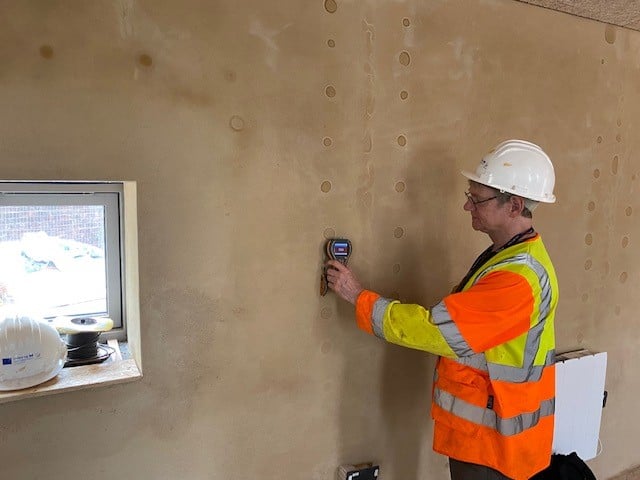
Using moisture meters and thermal imaging, hidden damp areas are identified.
Air Sampling
Indoor air samples are collected and compared to outdoor baseline samples. Elevated indoor spore counts suggest active growth.
Surface Sampling (If Needed)
If visible growth is present, swab or tape samples identify mold type.
Laboratory Analysis
Samples are analyzed by certified labs to determine spore concentration and classification.
The results provide clarity — not assumptions.
Why DIY Mold Test Kits Fall Short
Store-bought mold test kits are common but limited.
They often:
- Lack baseline outdoor comparison
- Provide no professional interpretation
- Detect normal environmental spores
- Create unnecessary concern
In humid coastal areas like Surfside, mold spores exist naturally in outdoor air. Without proper comparison and context, DIY results can be misleading.
Professional testing ensures accuracy and actionable data.
The Link Between Moisture and Mold
In Surfside, moisture is the driver behind most mold issues.
If indoor humidity remains elevated for extended periods, mold can grow on:
- Drywall
- Insulation
- Wood framing
- Carpet padding
- HVAC components
Mold testing frequently leads back to moisture detection.
If moisture sources remain uncorrected, mold will return even after cleaning.
That’s why proper inspection is always part of the process.
HVAC Systems and Air Quality
AC systems in coastal homes play a major role in mold risk.
If ducts accumulate condensation or if drain pans overflow, spores circulate through the home.
Air duct inspection and cleaning may be necessary when testing reveals elevated indoor levels.
In Surfside properties, especially those near the oceanfront, salt air exposure can degrade HVAC components faster than inland systems.
Routine maintenance supports long-term air quality stability.
Preventing the Need for Mold Testing
While testing provides answers, prevention reduces the need for frequent evaluation.
Surfside homeowners can protect their properties by:
- Maintaining indoor humidity between 45–55%
- Servicing AC systems regularly
- Checking roof seals before hurricane season
- Inspecting window and sliding door frames
- Addressing leaks immediately
- Ventilating attics properly
Waterfront properties require consistent monitoring.
Small maintenance steps prevent larger remediation projects.
Why Local Coastal Experience Matters
Mold testing in Surfside is not identical to testing in dry climates.
Environmental conditions, construction styles, and seasonal storm patterns all influence indoor air behavior.
An experienced local professional understands:
- How wind-driven rain enters coastal structures
- Where condensation typically forms
- How slab moisture affects flooring
- Which building assemblies trap humidity
Tip Top Water and Fire Damage Restoration has conducted inspections throughout Surfside, North Miami, North Miami Beach, Aventura, and Bal Harbour, addressing mold concerns specific to coastal South Florida.
Local experience leads to more accurate assessments and effective solutions.
A Practical Approach to Mold Testing
Mold testing in Surfside homes becomes necessary when moisture patterns change, odors persist, or past water damage raises questions.
Testing is not about alarm. It’s about confirmation.
By identifying whether elevated mold levels exist and locating moisture sources early, homeowners protect both their property and indoor comfort.
In coastal living, awareness is part of responsible ownership.
When mold testing is handled professionally and paired with proper moisture control, homes remain stable, comfortable, and ready for the challenges of Florida’s coastal climate.