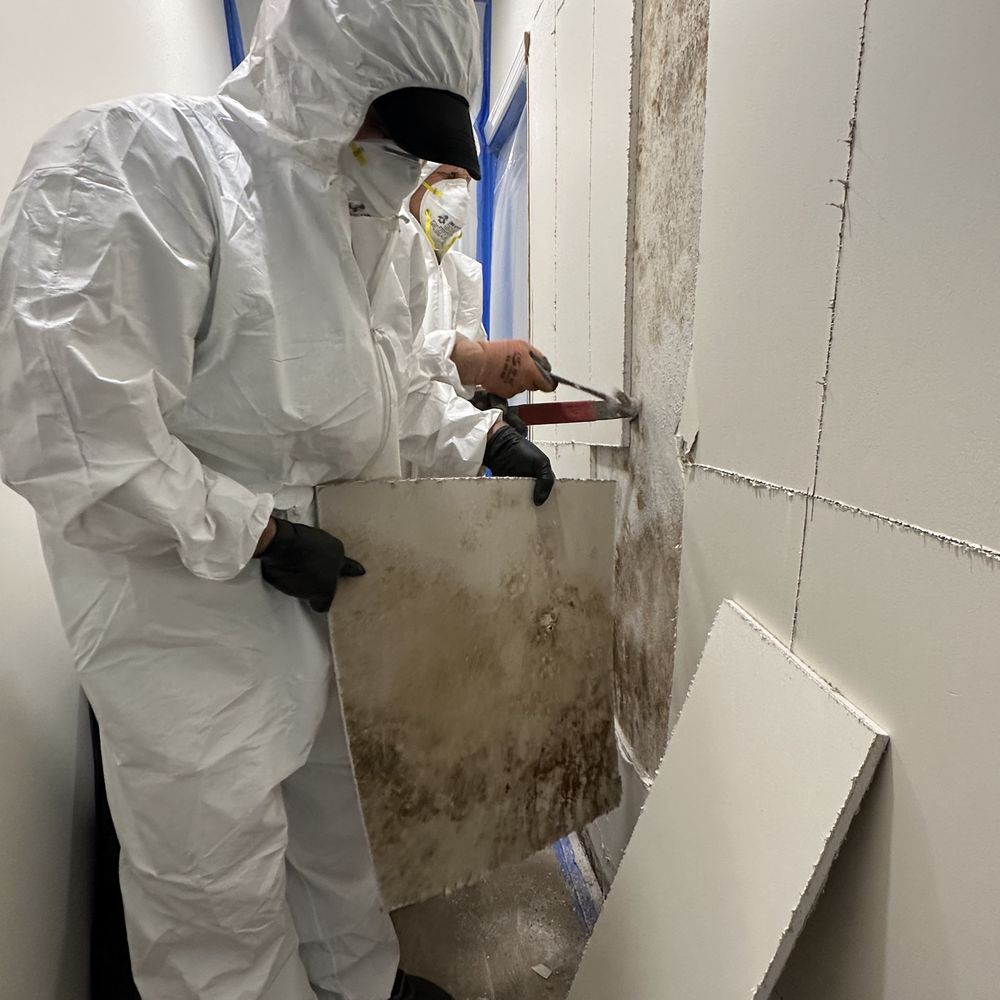
When Homes Require Water Damage Repair in Biscayne Park
Biscayne Park, a quiet and historic community in North Miami-Dade, offers tree-lined streets, older homes, and close proximity to the bay. While it is a desirable place to live, homes in this coastal neighborhood face unique challenges related to water intrusion, humidity, and aging infrastructure. Water damage is not always immediately obvious—leaks, condensation, or slow seepage can compromise structural integrity, create hidden mold growth, and damage personal property.
For homeowners, landlords, and property managers, knowing when water damage repair is necessary is critical. Timely intervention prevents further structural deterioration, protects indoor air quality, and avoids costly long-term repairs. This article explains the signs, causes, and professional repair processes for water damage in Biscayne Park homes.
Understanding Water Damage
Water damage occurs when moisture infiltrates areas of a home where it shouldn’t be, causing physical harm to building materials, furnishings, and indoor environments. Damage can result from a variety of sources, including leaks, flooding, plumbing failures, or AC condensation.
The consequences of untreated water damage include:
- Structural Compromise – Swollen drywall, warped floors, and weakened support beams.
- Mold Growth – Moist environments promote mold proliferation, which can spread quickly in hidden areas.
- Electrical Hazards – Water intrusion can affect wiring, outlets, and appliances.
- Material Deterioration – Wood, insulation, and finishes degrade faster when exposed to prolonged moisture.
- Odors – Musty or stale smells often indicate hidden water damage.
In Biscayne Park, even small leaks can lead to significant damage due to high humidity and older home construction.
Common Causes of Water Damage in Biscayne Park
Several factors contribute to water damage in this coastal neighborhood:
1. Aging Plumbing Systems
Many homes in Biscayne Park were built decades ago. Older pipes, faucets, and fixtures are more prone to corrosion, leaks, and sudden failures. Slow leaks may go unnoticed, gradually saturating floors, walls, and cabinets.
2. AC Condensation
Air conditioning is essential in the Florida climate, but improper drainage or clogged condensate lines can lead to water accumulation inside walls, ceilings, or floors. This is a common source of hidden moisture in Biscayne Park homes.
3. Roof Leaks
Heavy seasonal rains or storm damage can compromise roofing materials. Leaks may only be noticeable after significant accumulation, allowing water to penetrate attics, ceilings, and insulation.
4. Flooding and Stormwater Intrusion
While Biscayne Park is not directly oceanfront, its proximity to Biscayne Bay and low-lying areas increases the risk of flooding during heavy rains or storm surges. Water can enter basements, slabs, and crawl spaces, creating extensive damage if not addressed quickly.
5. Appliance Failures
Water heaters, washing machines, dishwashers, and refrigerators are all potential sources of flooding if hoses fail or drains back up.
6. Slab and Foundation Issues
Older homes with slab foundations may experience seepage through cracks or shifting concrete. Over time, this can saturate subfloors and affect structural components.
Signs Homeowners Should Watch For
Identifying water damage early is essential. Common signs include:
- Discolored Walls or Ceilings – Staining or yellowing can indicate leaks behind drywall.
- Warped or Buckling Floors – Moisture can cause wood, laminate, or vinyl flooring to deform.
- Musty Odors – Lingering smells often indicate hidden mold or damp materials.
- Peeling Paint or Wallpaper – Moisture can weaken adhesion to walls and ceilings.
- Sagging Ceilings or Walls – Prolonged water exposure can compromise structural integrity.
- Increased Humidity – A damp environment or condensation on windows and walls signals moisture buildup.
- Plumbing Drips or Puddles – Visible leaks or standing water under sinks, around appliances, or near pipes.
Even minor or hidden water damage should be inspected professionally to prevent escalation.
Hidden Sources of Water Damage
In Biscayne Park, water damage is often not immediately visible:
- Inside Walls – Plumbing leaks or AC condensation can infiltrate wall cavities.
- Crawl Spaces and Subfloors – Poor ventilation and trapped moisture promote hidden deterioration.
- Attics – Roof leaks or AC units located in attics may cause silent water accumulation.
- HVAC Ductwork – Condensation and leaks can damage duct insulation and surrounding materials.
- Exterior Entry Points – Improperly sealed windows, doors, or foundation cracks allow slow water intrusion.
Because these sources are hidden, professional inspection is often necessary to locate and repair the problem completely.
Why DIY Solutions Often Fail
Homeowners may attempt to address water damage using towels, fans, or small dehumidifiers, but these methods often fail to address the underlying problem:
- Incomplete Drying – Hidden moisture inside walls, floors, and subfloors can persist, leading to mold.
- Unidentified Sources – DIY approaches often miss leaks or structural vulnerabilities.
- Improper Repairs – Temporary fixes may not prevent recurrence, allowing damage to continue.
- Health Risks – Mold and microbial growth can develop, affecting indoor air quality.
Professional water damage repair ensures the source is identified, moisture is removed thoroughly, and affected materials are restored safely.
Professional Water Damage Repair Process
Water damage repair is a multi-step process that addresses both the cause and effects of moisture intrusion:
1. Assessment and Inspection
Technicians perform a comprehensive evaluation:
- Visual Inspection – Identifies visible water stains, warped materials, and compromised structures.
- Moisture Detection – Uses moisture meters and thermal imaging to locate hidden saturation.
- HVAC and Plumbing Check – Determines if systems contributed to water intrusion.
- Damage Documentation – Provides homeowners and insurers with detailed records for restoration planning.
2. Water Extraction
Standing water is removed promptly to prevent further damage:
- Industrial-Grade Pumps – Remove large volumes of water quickly.
- Wet/Dry Vacuums – Extract water from floors, carpets, and low-lying areas.
- Controlled Drainage – Prevents additional structural damage during extraction.
3. Drying and Dehumidification
Thorough drying is critical to prevent mold growth and material degradation:
- Air Movers and Fans – Accelerate evaporation from walls, floors, and ceilings.
- Dehumidifiers – Reduce indoor humidity levels to safe levels.
- Moisture Monitoring – Ongoing measurement ensures materials are fully dried before repairs.
4. Cleaning and Sanitization
Water-damaged areas are cleaned to remove contaminants:
- Surface Cleaning – Removal of dirt, debris, and microbial contaminants.
- Sanitization – Disinfection prevents mold, mildew, and bacteria proliferation.
- Odor Control – Specialized treatments neutralize musty or water-related odors.
5. Restoration and Repairs
Once dry and sanitized, repairs restore the home to pre-damage condition:
- Structural Repairs – Drywall, flooring, and framing are replaced or repaired.
- Paint and Finishes – Walls, ceilings, and woodwork are refinished.
- HVAC and Plumbing Repairs – Systems affected by water are restored or replaced.
- Preventive Upgrades – Sealants, moisture barriers, and improved drainage may be added.
The goal is a safe, structurally sound, and fully restored home.
Preventing Future Water Damage
After repair, homeowners should implement preventive measures:
- Regular Plumbing Inspections – Detect leaks early.
- AC Maintenance – Clean condensate lines and pans to prevent overflow.
- Roof Inspections – Check shingles, flashing, and seals annually.
- Proper Drainage – Ensure grading, gutters, and downspouts direct water away from the home.
- Humidity Control – Use dehumidifiers or ventilation systems in damp areas.
- Sealing Vulnerable Entry Points – Windows, doors, and foundations should be properly caulked or repaired.
Preventive maintenance reduces the risk of repeated water damage and protects property value.
Why Local Expertise Matters
Biscayne Park homes face unique water damage challenges due to their location, construction style, and coastal environment:
- High Humidity – Professionals understand how moisture interacts with building materials in Florida.
- Older Construction – Local experience ensures careful handling of fragile walls, floors, and plumbing.
- Stormwater and Flood Risk – Technicians know how to address water intrusion from seasonal storms.
- HVAC and AC Systems – Experts can detect hidden leaks or duct condensation that homeowners might miss.
Tip Top Water and Fire Damage Restoration provides local expertise in Biscayne Park, North Miami, North Miami Beach, Bal Harbour, Miami Shores, and nearby communities. Their team combines advanced equipment, thorough inspections, and proven repair strategies to ensure homes are safe, dry, and restored effectively.
Conclusion
Water damage in Biscayne Park can occur from a variety of sources, including leaks, AC condensation, flooding, or aging infrastructure. Even minor water intrusion can compromise structural integrity, promote mold growth, and affect indoor air quality.
Professional water damage repair involves assessment, extraction, drying, cleaning, and restoration, addressing both visible and hidden damage. Homeowners, landlords, and property managers can prevent future issues by implementing preventive maintenance strategies, performing regular inspections, and addressing moisture problems promptly.
With local expertise, advanced equipment, and proven processes, Biscayne Park homes can recover fully from water damage, protecting property value and ensuring a safe, comfortable living environment.