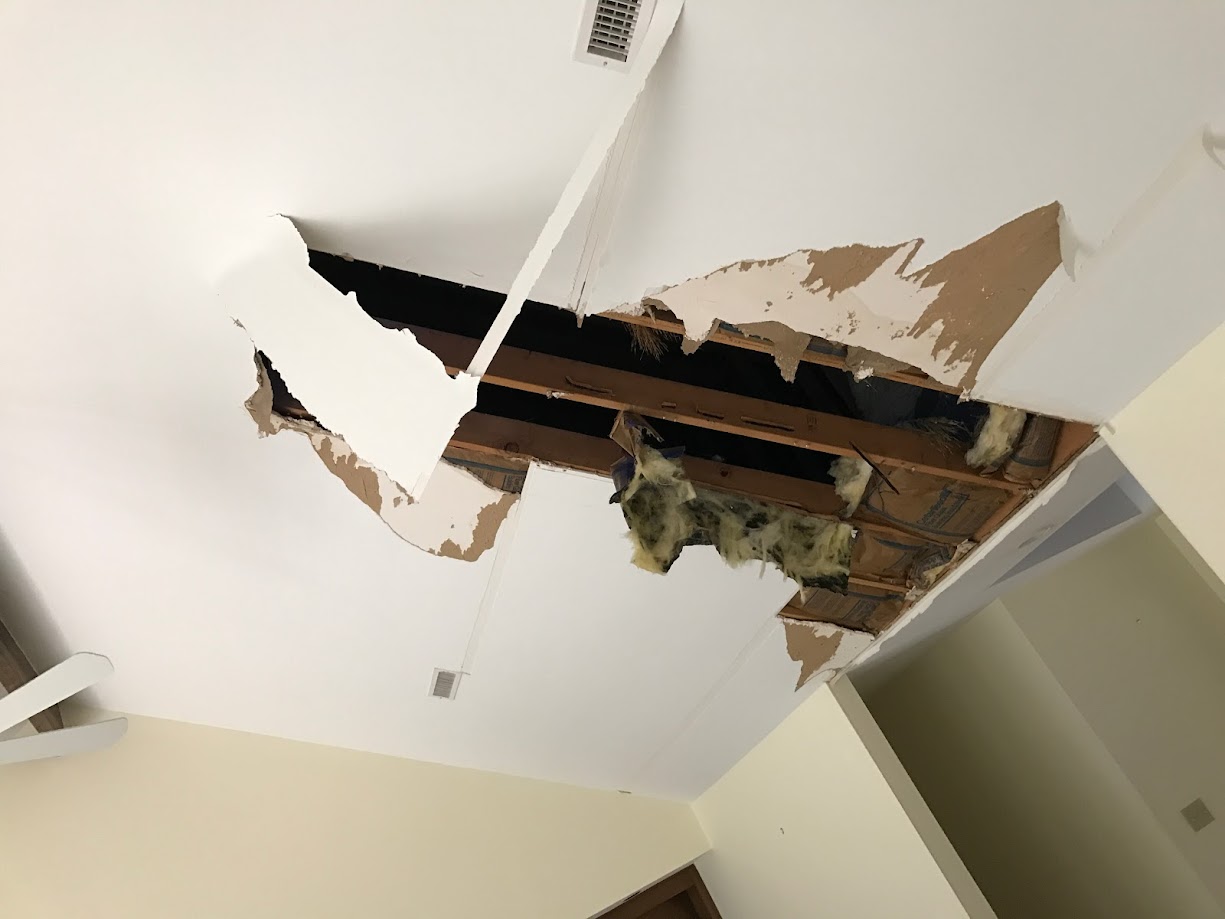
When Homes Require Water Damage Repair in Miami Shores
Water damage is one of the most common maintenance issues faced by homeowners in Miami Shores. Between seasonal storms, aging plumbing systems, and the effects of humidity, moisture can find its way into homes in many ways. Sometimes the signs are obvious—standing water, stained ceilings, or warped flooring. Other times, the damage develops quietly behind walls or beneath floors until the problem becomes more serious..
What Water Damage Really Means
Water damage occurs when moisture enters areas of a structure that are not designed to remain wet. Building materials such as drywall, wood framing, insulation, and carpet can absorb water quickly, allowing moisture to spread beyond the original source.
Water damage may affect:
- Walls and ceilings
- Flooring and subfloors
- Cabinets and baseboards
- Insulation and framing
- Air ducts and HVAC components
Because moisture travels through porous materials, the area requiring repair is often larger than what is immediately visible.
Common Situations That Require Water Damage Repair
Homes in Miami Shores and nearby communities such as Biscayne Park, North Miami, and Surfside frequently require water damage repair under several circumstances.
Roof leaks after heavy storms
Wind-driven rain and aging roofing materials often allow water to enter attics and ceilings.
Plumbing leaks or pipe failures
Leaks inside walls or beneath sinks may go unnoticed until damage spreads.
Air conditioning condensation problems
Clogged condensate lines or leaking air handlers can introduce moisture into walls or flooring.
Appliance malfunctions
Dishwashers, washing machines, and water heaters occasionally leak or overflow.
Flooding during intense rainfall
Even minor flooding can saturate flooring and lower wall sections.
These situations often require prompt drying and repair to prevent secondary damage.
Early Warning Signs of Water Damage
Water damage often begins gradually, and early warning signs may appear before major damage occurs.
Property owners should watch for:
- Water stains on ceilings or walls
- Peeling paint or bubbling drywall
- Musty or damp odors
- Warped or buckling flooring
- Damp carpet or baseboards
- Increased indoor humidity
These signs often indicate hidden moisture that should be inspected.
Hidden Areas Where Water Damage Develops
One of the biggest challenges in water damage repair is locating moisture that cannot be seen.
Common hidden problem areas include:
- Inside wall cavities
- Beneath tile, wood, or carpet
- Attic insulation and roof decking
- Behind cabinets and appliances
- Inside air ducts or HVAC closets
In humid coastal climates, these areas may remain damp for extended periods if not properly dried.
Why Quick Repair Is Important
Water damage rarely improves on its own. Moisture left in building materials can lead to additional problems over time.
Delays in repair may result in:
- Mold growth
- Structural deterioration
- Persistent odors
- Damage to flooring or cabinetry
- Higher restoration costs
Prompt inspection and drying significantly reduce the likelihood of long-term damage.
Professionals experienced in local conditions often emphasize early action. Companies such as Tip Top Water and Fire Damage Restoration frequently begin with moisture detection to identify hidden damp areas before repairs begin.
The Water Damage Repair Process
Water damage repair typically follows a structured approach designed to restore the property safely and thoroughly.
1. Inspection and moisture detection
Technicians determine how far moisture has spread, including areas not visible on the surface.
2. Water removal and extraction
Standing water and saturated materials are addressed to prevent further absorption.
3. Structural drying and dehumidification
Air movers and dehumidifiers remove moisture from building materials and indoor air.
4. Cleaning and sanitation
Cleaning helps remove residue and prevent odors.
5. Repair and restoration
Damaged drywall, flooring, or insulation may be repaired or replaced.
Monitoring moisture levels during drying helps ensure the repair process is effective.
The Role of Humidity in Water Damage
Humidity plays a major role in how water damage develops in Miami Shores. Even after visible water is removed, high humidity can keep materials damp and slow drying.
High humidity can:
- Prolong drying times
- Allow odors to persist
- Increase mold risk
- Cause materials to reabsorb moisture
Controlling humidity is a critical part of successful water damage repair.
HVAC Systems and Moisture Problems
Air conditioning systems often influence moisture levels in a home. While AC helps reduce humidity, certain problems can contribute to water damage.
Potential concerns include:
- Clogged condensate drain lines
- Air handler leaks
- Condensation forming on ducts
- Reduced airflow increasing humidity
Routine HVAC maintenance helps prevent many moisture-related issues.
Mold Risk After Water Damage
One of the most common secondary problems following water damage is mold growth. Warm temperatures and high humidity create ideal conditions when materials remain damp.
Mold risk increases when:
- Moisture remains in insulation or drywall
- Drying is delayed
- Humidity levels remain high
- Ventilation is limited
Proper drying and monitoring significantly reduce the likelihood of mold problems.
Lessons Learned from Local Homes
Real situations from homes in Miami Shores reveal several consistent patterns.
Moisture spreads farther than expected
Water often travels beneath flooring or inside walls before becoming visible.
Attics and AC closets are common sources
Leaks frequently originate in these areas.
Humidity slows drying
Drying often takes longer in coastal environments.
Early inspections reduce repair costs
Homes inspected promptly typically required less extensive restoration.
These observations highlight the importance of acting quickly when signs of water damage appear.
Practical Steps to Prevent Future Water Damage
Property owners can reduce the likelihood of future water damage by following routine maintenance practices.
Helpful steps include:
- Inspecting roofs and flashing regularly
- Cleaning AC condensate lines periodically
- Monitoring indoor humidity levels
- Checking plumbing connections and appliances
- Inspecting attics and storage areas after storms
- Repairing small leaks immediately
Preventive maintenance often identifies problems before they become serious.
Why Local Experience Matters
Water damage repair in coastal South Florida requires understanding how humidity, storms, and building materials interact. Homes in Miami Shores and nearby communities face environmental conditions that differ significantly from inland areas.
Professionals familiar with local conditions understand:
- How coastal humidity affects drying times
- Where water intrusion commonly occurs
- Which materials are most vulnerable
- How ventilation systems perform in humid climates
This knowledge helps ensure repairs are thorough and long-lasting.
A Practical Next Step for Property Owners
Water damage often begins quietly but can worsen quickly if moisture remains untreated. If you notice stains, damp areas, or musty odors, having your property inspected early can help prevent larger repairs later.
Working with experienced restoration professionals such as Tip Top Water and Fire Damage Restoration helps ensure that moisture sources are identified, affected materials are dried properly, and repairs are completed effectively. With prompt attention and routine maintenance, homeowners in Miami Shores can keep their homes dry, safe, and comfortable year-round.