When Homes Require Water Damage Repair in Surfside
Surfside, a picturesque coastal community in Miami-Dade County, is known for its oceanfront views, vibrant neighborhoods, and tropical climate. While the area’s charm makes it highly desirable for homeowners and renters alike, the combination of coastal humidity, heavy seasonal rainfall, and aging infrastructure means that water damage is a common concern. Understanding when homes require water damage repair—and why timely intervention is crucial—helps property owners, landlords, and property managers protect their investment and maintain safe, healthy living environments.
Water damage in Surfside is not limited to obvious flooding. Leaks, condensation, and hidden moisture can silently compromise structural integrity, promote mold growth, and lead to costly repairs if left unaddressed. Professional assessment and repair are often necessary to prevent long-term damage and safeguard indoor air quality.
What Water Damage Is
Water damage occurs when excess moisture infiltrates building materials or structural components, leading to deterioration over time. This can happen gradually, such as from slow leaks, or suddenly due to flooding, storms, or plumbing failures.
Common types of water damage in Surfside homes include:
- Roof and Ceiling Leaks – Resulting from damaged shingles, flashing, or inadequate sealing.
- Plumbing Failures – Burst pipes, leaking faucets, or malfunctioning appliances.
- AC Condensation Issues – Overflows from condensate lines or pans that saturate ceilings and floors.
- Stormwater Intrusion – Heavy rains or high tides causing water to enter basements, crawl spaces, or ground-level rooms.
- Appliance Leaks – Washing machines, dishwashers, and water heaters releasing water onto floors.
The severity of damage depends on the source, duration of exposure, and affected materials. Early detection is essential to minimize costs and prevent secondary issues such as mold growth or structural compromise.
Why Water Damage Happens Frequently in Surfside
Several environmental and structural factors make Surfside homes more vulnerable:
1. Coastal Humidity
The area’s tropical climate results in consistently high humidity, which contributes to moisture accumulation in walls, ceilings, and flooring. Even without direct water intrusion, elevated humidity levels can compromise building materials over time.
2. Storms and Heavy Rainfall
Surfside experiences seasonal thunderstorms and hurricanes, bringing intense rainfall and occasional flooding. Homes without proper drainage or waterproofing are particularly at risk.
3. Aging Plumbing and Roof Systems
Older homes may have worn plumbing, aging fixtures, or roofs nearing the end of their lifespan. These systems are more prone to leaks, which can develop into significant water damage if not repaired promptly.
4. AC System Condensation
Air conditioning is essential in Surfside’s hot climate. Improperly maintained units or clogged condensate lines can release water into ceilings, walls, or flooring, creating hidden moisture problems.
5. Slab Foundations and Crawl Spaces
Many Surfside homes are built on slab foundations or feature enclosed crawl spaces. While these designs have benefits, they can also trap moisture and exacerbate water-related issues when leaks occur.
Common Signs That Water Damage Repair Is Needed
Recognizing early signs of water damage allows homeowners to act before issues worsen:
- Visible Water Stains – Discolored patches on ceilings, walls, or baseboards.
- Warped Flooring or Baseboards – Buckling or swelling wood or laminate floors.
- Peeling Paint or Wallpaper – Moisture causes finishes to lift or bubble.
- Musty Odors – Persistent smells often indicate hidden water accumulation or mold growth.
- Sagging Ceilings or Walls – Structural compromise from prolonged water exposure.
- HVAC Issues – Musty smells or reduced airflow from moisture in ducts or AC units.
Even minor leaks can escalate into serious problems if left untreated, emphasizing the importance of timely assessment.
Hidden or Overlooked Sources of Water Damage
Water damage is not always immediately visible. Common hidden sources in Surfside homes include:
- Behind Walls – Leaks from plumbing or AC units may seep into drywall cavities.
- Under Flooring – Water can infiltrate subflooring beneath hardwood, laminate, or tile.
- Attics and Crawl Spaces – Roof leaks or HVAC condensation can accumulate in poorly ventilated areas.
- HVAC Ducts – Moisture in ductwork can spread water and mold spores throughout the home.
- Exterior Penetration – Cracks around windows, doors, or foundations may allow rainwater to enter.
Professional water damage inspection is necessary to detect these concealed problems and prevent long-term damage.
The Risks of Delaying Water Damage Repair
Waiting to address water damage can lead to a range of complications:
- Mold Growth – Moisture left untreated can foster mold within 24–48 hours.
- Structural Deterioration – Wood, drywall, and insulation weaken over time, compromising stability.
- Electrical Hazards – Water can damage wiring, outlets, and appliances, creating safety risks.
- Decreased Property Value – Unresolved water damage can reduce market value and complicate future sales.
- Health Concerns – Mold spores and bacteria from stagnant water can impact indoor air quality and occupant health.
Prompt water damage repair minimizes these risks and preserves the integrity of the home.
Professional Water Damage Inspection
Water damage repair begins with a thorough inspection by experienced professionals who understand Surfside’s environmental challenges:
- Visual Assessment – Checking ceilings, walls, floors, and basements for signs of moisture.
- Moisture Detection Tools – Using moisture meters and thermal imaging to locate hidden water.
- HVAC Evaluation – Inspecting ducts, AC units, and condensate lines for water intrusion.
- Structural Review – Assessing the condition of wood framing, drywall, and flooring to determine repair needs.
A professional inspection ensures that both visible and concealed damage is identified, enabling a targeted repair plan.
The Water Damage Repair Process
Once water damage is detected, professional restoration typically includes:
- Water Extraction – Removing standing water quickly using industrial pumps and vacuums.
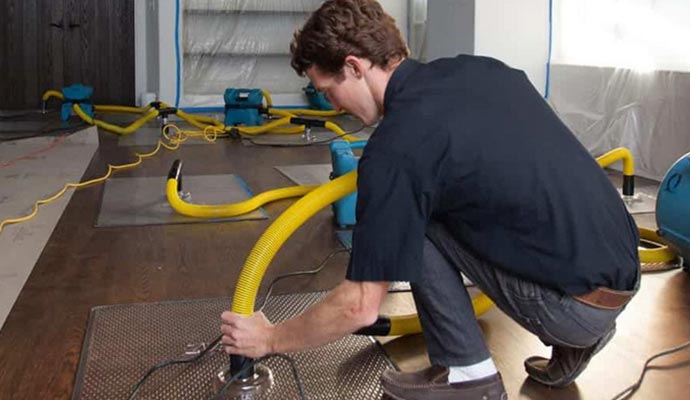
- Drying and Dehumidification – Using fans, air movers, and dehumidifiers to eliminate moisture from walls, floors, and hidden cavities.
- Cleaning and Sanitizing – Treating affected surfaces to prevent mold growth and bacterial contamination.
- Structural Repairs – Replacing or repairing damaged drywall, flooring, insulation, and wood framing.
- HVAC Treatment – Cleaning and drying ductwork and AC components to prevent spore circulation.
- Final Inspection – Verifying moisture levels, air quality, and structural integrity before project completion.
Professional repair ensures that the home is fully restored and future damage is minimized.
Preventing Future Water Damage in Surfside Homes
Preventive measures reduce the likelihood of recurring water problems:
- Regular Roof and Gutter Maintenance – Inspecting for leaks, damage, or clogs.
- Plumbing Inspections – Checking pipes, faucets, and water heaters for early signs of leaks.
- AC System Maintenance – Cleaning coils, pans, and condensate lines to prevent overflows.
- Proper Grading and Landscaping – Ensuring water flows away from the foundation.
- Humidity Control – Using dehumidifiers and proper ventilation to maintain indoor levels below 60%.
- Periodic Professional Inspections – Early detection of hidden water or mold issues prevents costly repairs.
Why Local Expertise Matters
Water damage repair in Surfside requires an understanding of local environmental conditions:
- Coastal Humidity and Salt Air – Professionals account for moisture accumulation and corrosion risks.
- Stormwater Management – Knowledge of seasonal rainfall and tides informs effective repair strategies.
- Older Construction Materials – Techniques are tailored to preserve wood, plaster, and slab foundations.
- AC and Plumbing Systems – Expertise in local HVAC and plumbing designs ensures accurate detection of hidden leaks.
Tip Top Water and Fire Damage Restoration provides hands-on experience in Surfside and nearby communities such as North Miami, Bal Harbour, Miami Shores, Aventura, and North Miami Beach. Their team combines advanced equipment, local knowledge, and professional expertise to restore homes effectively and prevent recurring water issues.
Conclusion
Water damage in Surfside is a common but manageable challenge for homeowners, landlords, and property managers. From roof leaks and plumbing failures to AC condensation and stormwater intrusion, the sources of water damage are varied. Identifying the problem early, understanding the signs of damage, and engaging professional repair services are critical to preserving structural integrity, indoor air quality, and property value.
Professional water damage repair in Surfside involves inspection, moisture detection, extraction, drying, cleaning, and structural restoration. Paired with preventive measures and regular maintenance, it ensures that coastal homes remain safe, comfortable, and resilient against future water-related problems.