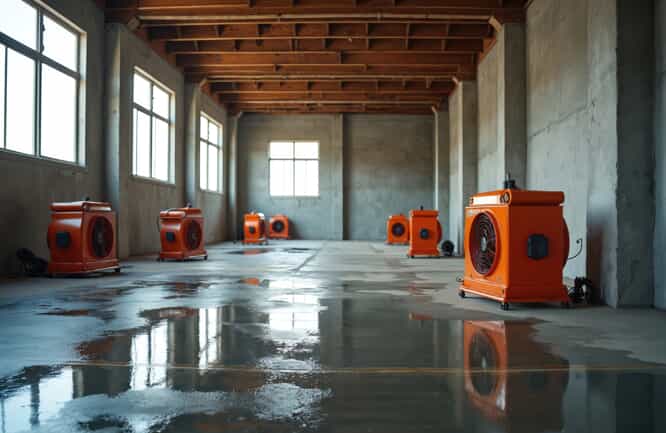
When Homes Require Water Removal in Biscayne Park
Biscayne Park, a charming residential community in North Miami-Dade County, is known for its leafy streets, older homes, and proximity to coastal waterways. While residents enjoy the neighborhood’s relaxed atmosphere and convenient location, the area’s climate and environmental conditions make many homes prone to water intrusion and moisture-related problems. Water accumulation, whether from heavy rainfall, plumbing leaks, or AC condensation, can cause significant structural damage, mold growth, and reduced indoor air quality if not addressed promptly.
Understanding when a home requires professional water removal, what the underlying causes are, and how the process is handled is critical for homeowners, landlords, and property managers. Drawing from real-world observations in Biscayne Park, this guide explores the causes, early warning signs, remediation process, and long-term prevention strategies associated with water removal.
Why Biscayne Park Homes Are Vulnerable to Water Accumulation
Several factors contribute to water issues in Biscayne Park properties:
1. High Humidity and Coastal Climate
- The tropical climate maintains elevated humidity levels year-round.
- Moist air can condense on walls, ceilings, and floors, creating hidden damp areas.
2. Stormwater and Seasonal Rains
- Heavy rain events can overwhelm drainage systems.
- Low-lying areas or homes near canals and waterways are especially prone to minor flooding.
3. Aging Infrastructure
- Many Biscayne Park homes were built decades ago and may have original plumbing, roofing, or window seals.
- Leaks from old pipes or compromised seals can introduce water into walls, floors, or ceilings.
4. Air Conditioning Systems
- AC units and ductwork can generate condensation, especially if drip pans are clogged or lines are misaligned.
- Moisture from AC systems can accumulate in hidden areas, leading to mold growth or structural damage.
5. Landscaping and Grading Issues
- Improperly graded yards, clogged gutters, and inadequate drainage around the foundation can channel water toward the home.
- Excess water may infiltrate basements, crawl spaces, or slab foundations.
Common Signs That Water Removal Is Needed
Water intrusion is not always immediately visible. Homeowners should be vigilant for the following indicators:
- Visible Water Accumulation: Standing water in basements, crawl spaces, or low-lying areas.
- Moisture Stains: Discoloration or bubbling paint on walls or ceilings.
- Floor Damage: Warping, soft spots, or buckling in hardwood, laminate, or carpeted floors.
- Odors: Musty or moldy smells, especially in enclosed areas.
- Condensation: Persistent moisture on windows, doors, or AC vents.
- Reduced HVAC Efficiency: Ductwork contamination from moisture can reduce airflow.
- Health Symptoms: Increased allergy or respiratory issues may indicate mold or microbial growth caused by hidden water.
Prompt water removal can prevent minor leaks from developing into major structural issues.
Hidden and Overlooked Sources of Water
In Biscayne Park homes, many water issues originate from hidden areas:
- Attics and Crawl Spaces: Limited ventilation and inaccessible areas allow water to persist unnoticed.
- Under Flooring: Subfloors and carpeting can trap water from minor flooding or spills.
- Behind Walls: Leaks from plumbing, rooflines, or window frames may go undetected for months.
- HVAC Ducts: Condensation or leaks can introduce moisture into the system, spreading damp air throughout the home.
- Basements and Garages: Low-lying spaces are prone to water pooling during heavy rain events.
Professional moisture detection tools, including thermal imaging and moisture meters, are often necessary to locate hidden water.
The Water Removal Process
Professional water removal in Biscayne Park homes is a multi-step process designed to protect both structural integrity and indoor air quality.
Step 1: Inspection and Assessment
- Technicians evaluate visible and hidden water intrusion.
- Areas like basements, attics, crawl spaces, HVAC systems, and wall cavities are inspected.
- Moisture meters and thermal imaging help identify hidden water pockets.
Step 2: Water Extraction
- Standing water is removed using industrial-grade pumps, wet vacuums, and submersible equipment.
- Rapid extraction minimizes damage to flooring, drywall, and furnishings.
Step 3: Drying and Dehumidification
- Air movers, dehumidifiers, and heaters are deployed to remove residual moisture.
- Walls, floors, and structural components are dried to safe moisture levels to prevent mold growth.
Step 4: Mold Prevention and Treatment
- Areas exposed to water are treated with antimicrobial or antifungal solutions.
- HVAC systems are inspected and cleaned if condensation or flooding affected them.
Step 5: Repairs and Restoration
- Damaged drywall, flooring, insulation, and trim are repaired or replaced.
- Structural elements compromised by prolonged water exposure are reinforced.
- Painting, sealing, and finishing restore the home to its pre-damage condition.
Step 6: Post-Removal Verification
- Follow-up inspections confirm that all moisture has been removed.
- Indoor air quality and HVAC performance are tested to ensure long-term safety.
Real-World Observations in Biscayne Park
Local experience highlights several patterns regarding water removal:
- Hidden Moisture Is Common: Many homes have water trapped behind walls, under floors, or in crawl spaces that goes unnoticed for months.
- Rapid Response Prevents Mold: Immediate water extraction and drying are essential to prevent microbial growth.
- Older Homes Require Extra Attention: Aging plumbing, window seals, and rooflines increase the risk of persistent water intrusion.
- Integrated Approach Works Best: Combining water removal with HVAC maintenance, mold prevention, and structural repairs ensures long-term protection.
Preventive Strategies for Homeowners
- Routine Inspections
- Monitor roofing, gutters, plumbing, window seals, and AC units regularly.
- Check attics, crawl spaces, and basements after heavy rain events.
- HVAC Maintenance
- Clean coils, drip pans, and ductwork annually.
- Ensure condensate lines are clear and draining properly.
- Humidity Control
- Maintain indoor relative humidity below 55%.
- Use exhaust fans in bathrooms, kitchens, and laundry areas.
- Prompt Leak Response
- Address leaks or water intrusion immediately.
- Dry wet areas within 24–48 hours to prevent mold colonization.
- Storm Preparation
- Secure roofing, windows, and doors before storms.
- Elevate sensitive materials in flood-prone areas.
- Occupant Education
- Teach residents or tenants to report water issues promptly.
- Encourage awareness of signs such as odors, visible moisture, or discoloration.
Challenges Specific to Coastal Biscayne Park Homes
Water removal in coastal homes presents unique challenges:
- Hidden Moisture: Often trapped behind walls, under floors, or in ductwork.
- High Humidity: Slows drying times and promotes microbial growth.
- Stormwater and Flooding: Even minor flooding can penetrate multiple areas of a home.
- Older Construction: Aging materials like plaster, wood framing, and drywall are more susceptible to water damage.
- HVAC System Contamination: Moisture can compromise ducts and spread contaminants.
Benefits of Timely Water Removal
Prompt water removal offers multiple advantages:
- Minimizes risk of mold growth and related health concerns
- Preserves structural integrity of wood, drywall, and flooring
- Ensures HVAC systems remain efficient and uncontaminated
- Reduces long-term repair costs and preserves property value
- Improves indoor air quality and overall comfort
Practical Recommendations
- Schedule professional inspections following heavy rain, leaks, or AC system issues.
- Remove standing water immediately with industrial-grade extraction equipment.
- Dry affected areas thoroughly using air movers, dehumidifiers, and heaters.
- Apply antimicrobial treatments to water-affected areas.
- Inspect and maintain HVAC systems to prevent moisture-related issues.
- Educate occupants to recognize early warning signs of water damage.
- Implement long-term moisture control strategies, including proper grading and humidity management.
By combining prompt water removal with preventive strategies and professional maintenance, Biscayne Park homeowners can protect their homes from the unique challenges posed by coastal living, ensuring both structural integrity and a safe, healthy indoor environment.