
When Homes Require Water Removal in Coastal Neighborhoods Near Biscayne Bay
Living in coastal neighborhoods near Biscayne Bay — including North Miami, Miami Shores, Biscayne Park, Aventura, Surfside, and Sunny Isles Beach — means accepting that water intrusion is not a rare event. Between heavy seasonal rains, storm surge, elevated groundwater, plumbing failures, and AC-related leaks, homes in these areas face constant moisture pressure.
But not every damp spot requires full water removal services. The key question property owners often ask is: When does the situation go beyond simple cleanup and require professional water removal?
Understanding the difference is critical. In South Florida’s humid climate, delays can quickly turn minor water intrusion into structural damage or mold growth.
Water on the Floor for More Than a Few Hours
If standing water remains inside a home for more than a short period, professional water removal is usually necessary.
In coastal neighborhoods near Biscayne Bay, humidity slows natural drying. Even a small amount of water left on tile, wood, or laminate flooring can begin penetrating beneath the surface.
When water soaks into:
- Carpet padding
- Wood subfloors
- Baseboards
- Drywall
- Insulation
Surface drying is no longer sufficient.
Industrial extraction removes water trapped below visible surfaces.
After Storm Surge or Coastal Flooding
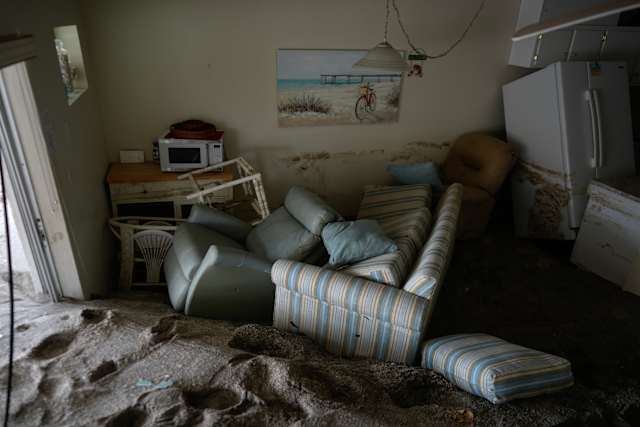
Storm surge presents one of the most serious water removal scenarios in waterfront communities like Bal Harbour, Surfside, and North Miami Beach.
Storm surge water may contain:
- Salt
- Sand
- Organic debris
- Contaminants
Saltwater exposure accelerates corrosion and damages materials more aggressively than clean rainwater.
If storm surge enters the home — even briefly — professional water removal is required to:
- Extract standing water
- Remove contaminated materials
- Clean salt residue
- Begin structural drying
Delaying removal increases long-term deterioration.
Wind-Driven Rain During Heavy Storms
In coastal South Florida, rain rarely falls straight down.
Wind-driven rain pushes water into:
- Window frames
- Sliding glass doors
- Roof flashing
- Balcony thresholds
Even if water intrusion appears minimal, moisture may spread inside wall cavities.
Homes require water removal when:
- Drywall feels soft
- Paint bubbles
- Musty odors develop
- Ceiling stains expand
Moisture detection tools help determine the full extent of hidden dampness.
Plumbing Failures Inside Walls
Burst pipes are obvious emergencies. But slow plumbing leaks often cause just as much damage.
Water removal becomes necessary when leaks:
- Saturate drywall
- Soak insulation
- Spread beneath flooring
- Affect multiple rooms
In multi-level properties in Aventura or Sunny Isles Beach, water from upper units may travel downward.
If moisture spreads beyond a localized area, professional removal and drying are required.
AC Drain Line or Air Handler Overflows
Air conditioning systems remove large amounts of moisture from indoor air.
When condensate drain lines clog, water may overflow into:
- Mechanical closets
- Ceiling cavities
- Adjacent walls
Because AC systems run constantly in North Miami and nearby coastal areas, these leaks may continue for days unnoticed.
Homes require water removal when:
- Water stains appear below air handlers
- Ceiling drywall softens
- Humidity rises unexpectedly
- Mold risk increases
Prompt extraction prevents structural damage.
Rising Groundwater and Slab Moisture
Many homes near Biscayne Bay sit on slab foundations.
After prolonged heavy rainfall, groundwater levels rise.
Moisture may migrate upward through concrete.
Water removal becomes necessary when:
- Hardwood floors warp
- Carpet padding feels damp
- Baseboards darken
- Indoor humidity remains elevated
Slab moisture dries slowly.
Industrial dehumidification and monitoring are often required.
After Fire Suppression
Fire damage restoration frequently includes water removal.
Sprinklers or fire hoses may soak:
- Ceilings
- Walls
- Flooring
- Insulation
In coastal humidity, water from suppression efforts does not evaporate quickly.
Without rapid removal and drying, mold may develop within 24–48 hours.
Water removal prevents secondary damage after fire events.
Persistent Musty Odors
Sometimes homeowners notice a persistent musty odor without visible water.
This often signals hidden moisture behind walls or beneath flooring.
Inspection may reveal:
- Damp insulation
- Wet subfloors
- Slow plumbing leaks
- Window seal intrusion
When moisture is detected beyond surface level, structured water removal and drying become necessary.
Odors alone are often an early warning.
The Importance of Immediate Action
In coastal neighborhoods, time matters.
High humidity and warm temperatures accelerate:
- Mold growth
- Wood swelling
- Material breakdown
- Corrosion
Water removal within the first 24–48 hours significantly reduces repair costs.
Delays increase the likelihood of:
- Mold remediation
- Drywall replacement
- Flooring replacement
- HVAC contamination
Quick response limits damage scope.
What Professional Water Removal Involves
When homes require water removal, the process typically includes:
- Water extraction using commercial-grade equipment
- Removal of saturated materials such as carpet padding or insulation
- Industrial dehumidification to lower indoor humidity
- Air movement to accelerate drying
- Moisture monitoring to confirm complete drying
- Mold risk assessment
Reconstruction should not begin until moisture readings confirm stability.
Surface dryness does not equal structural dryness.
High-Rise and Multi-Unit Considerations
In Aventura and Sunny Isles Beach high-rise buildings, water removal may involve:
- Shared plumbing systems
- Vertical water migration
- Coordination with building management
- Multiple affected units
Containment prevents moisture from spreading to neighboring spaces.
Multi-unit water events require careful documentation and monitoring.
Preventive Steps for Coastal Homeowners
While water removal addresses active intrusion, prevention reduces future risk.
Property owners near Biscayne Bay can:
- Inspect roofs annually
- Seal windows before hurricane season
- Maintain AC drain lines
- Monitor humidity levels
- Install water leak sensors
- Schedule periodic moisture inspections
Vacation homes should maintain active climate control even when unoccupied.
Humidity buildup in closed units is a common cause of hidden moisture.
Why Local Coastal Experience Matters
Water removal in coastal neighborhoods requires understanding:
- Wind-driven rain behavior
- Saltwater contamination
- Slab moisture migration
- High-rise building dynamics
- Humidity-controlled drying techniques
A professional familiar with North Miami, Miami Shores, Biscayne Park, Aventura, Surfside, and nearby bayfront communities understands how these environmental pressures affect structures.
Tip Top Water and Fire Damage Restoration has handled water removal projects throughout these coastal areas, applying drying strategies specifically designed for South Florida’s climate.
Local expertise ensures thorough drying and long-term protection.
A Practical Perspective
Homes near Biscayne Bay require water removal when moisture moves beyond surface dampness and into structural materials.
Whether caused by storms, surge, plumbing failures, AC overflows, or slab moisture, early action makes the difference.
Key indicators include:
- Standing water
- Expanding stains
- Soft drywall
- Warped flooring
- Persistent odors
- Elevated humidity
In South Florida’s humid coastal environment, waiting is costly.
Understanding when to act protects structural integrity, indoor air quality, and long-term property value.
Water intrusion may be part of coastal living — but proper water removal prevents it from becoming a lasting problem.