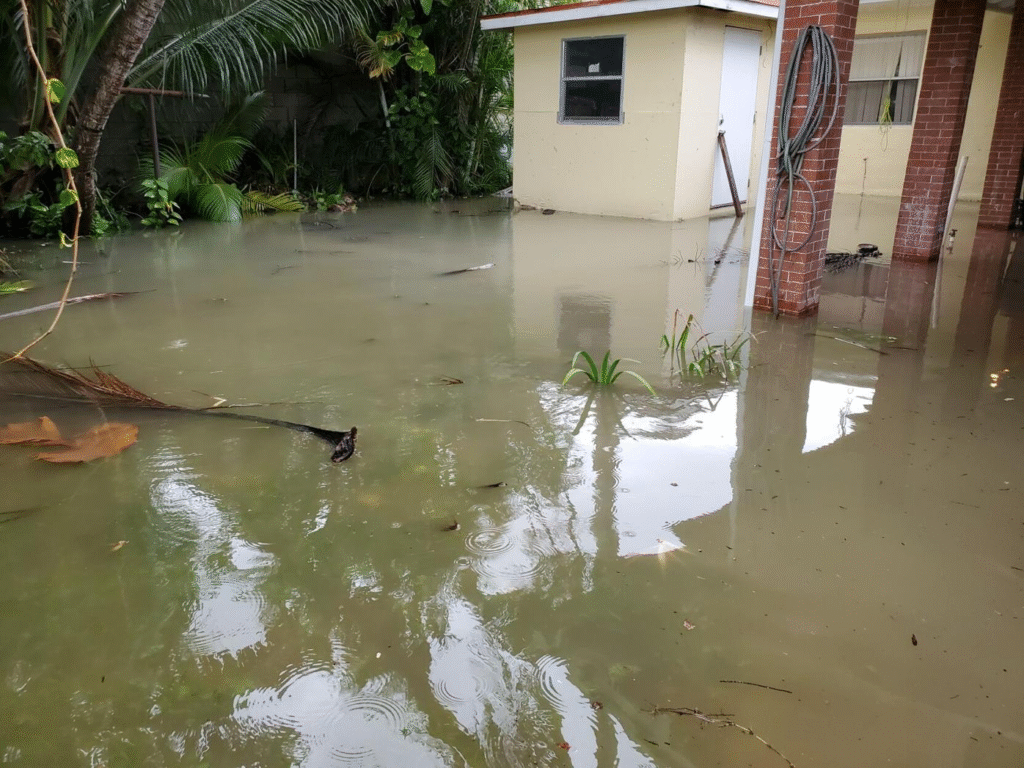
When Homes Require Water Removal in North Miami Beach
Living in North Miami Beach offers beautiful coastal views, warm year-round weather, and a dynamic residential environment. Yet, the same conditions that make this area desirable also contribute to a persistent challenge: water intrusion. Whether it’s from storms, plumbing issues, or AC system leaks, water can infiltrate homes, creating conditions that require professional water removal. Understanding when and why water removal becomes necessary is critical for homeowners, landlords, and property managers aiming to protect property value and indoor air quality.
Why Water Removal Is Critical in North Miami Beach Homes
North Miami Beach’s climate and location near Biscayne Bay create unique risks:
- High humidity year-round
- Seasonal heavy rainfall and thunderstorms
- Flood-prone low-lying neighborhoods
- Salt-laden coastal air
- Slab foundations and high-rise buildings
Water intrusion in such conditions can cause structural damage, mold growth, and long-term deterioration if not addressed promptly. Water removal is more than cleaning up puddles; it is a controlled process aimed at fully extracting moisture from flooring, walls, and other materials before secondary damage occurs.
1. Common Causes of Water Damage
A. Storms and Heavy Rainfall
North Miami Beach regularly experiences heavy rainstorms, especially during hurricane season. Water can infiltrate homes through:
- Roof leaks
- Cracked or poorly sealed windows and doors
- Flooded driveways and low-lying yards
Even a small amount of intrusion can saturate flooring, drywall, and insulation over time.
B. Plumbing Failures
Plumbing issues are a frequent cause of water accumulation in residential properties:
- Burst or leaking pipes
- Faulty water heaters
- Malfunctioning washing machines or dishwashers
Because plumbing is often hidden within walls, floors, or ceilings, leaks may go unnoticed until significant water accumulates.
C. AC System Malfunctions
Air conditioning units, critical for comfort in North Miami Beach, are another common source of water intrusion:
- Clogged condensate lines
- Overflowing drip pans
- Frozen evaporator coils thawing
- Moisture-laden ductwork
These problems often occur gradually and can affect areas far from the HVAC unit.
D. Groundwater and Slab Moisture
Homes built on concrete slabs may experience moisture migration from the soil below. High water tables or saturated soil during rainy periods can introduce hidden dampness beneath flooring, especially in older properties.
2. Early Signs That Water Removal May Be Needed
Detecting water intrusion early is essential for minimizing damage. Common indicators include:
- Musty odors inside the home
- Discoloration or staining on walls and ceilings
- Warping, buckling, or soft spots in flooring
- Persistent dampness in closets or cabinets
- Condensation on windows or interior surfaces
Even minor signs can indicate the presence of hidden water requiring professional assessment.
3. Hidden Water: A Common North Miami Beach Challenge
One of the main difficulties in water management is that moisture often remains out of sight. By the time it becomes visible:
- Drywall may have absorbed excessive water
- Subflooring could be saturated
- Insulation inside walls may be compromised
- Mold may already be beginning to develop
Professional water removal involves detecting and addressing both visible and hidden moisture.
4. Professional Water Removal Process
Professional water removal is a multi-step approach:
Step 1: Assessment
Technicians inspect affected areas using moisture meters, thermal imaging, and visual evaluation. Hidden dampness behind walls, under floors, or inside ceilings is mapped.
Step 2: Water Extraction
Industrial-grade vacuums and pumps remove standing water efficiently. Carpets, rugs, and flooring may be lifted or removed for thorough drying.
Step 3: Drying and Dehumidification
Industrial air movers and dehumidifiers accelerate drying. Moisture sensors ensure walls, subfloors, and insulation reach safe levels.
Step 4: Cleaning and Sanitizing
Flood or leak-affected areas are cleaned and disinfected to prevent microbial growth. Items such as furniture and carpets may be cleaned or discarded depending on saturation.
Step 5: Restoration and Repairs
After moisture is removed, repairs are completed. This may include drywall replacement, flooring repair, or addressing structural damage.
5. Coastal Climate Considerations
North Miami Beach’s coastal location amplifies water removal challenges:
- Humidity slows drying times
- Salt-laden air accelerates corrosion in HVAC and plumbing systems
- Wind-driven rain may introduce water into areas far from visible leaks
Understanding these conditions ensures proper restoration and prevents secondary damage.
6. Preventing Future Water Intrusion
Water removal is only part of a comprehensive maintenance plan. Preventive measures help reduce future incidents:
A. Routine HVAC Maintenance
- Inspect condensate lines and drip pans
- Check for frozen coils
- Clean or replace filters regularly
B. Plumbing Inspections
- Identify minor leaks early
- Replace aging pipes or fixtures
- Install water leak detection devices in critical areas
C. Exterior and Roof Maintenance
- Seal windows, doors, and balcony thresholds
- Inspect roof flashing and drainage systems
- Clear gutters and downspouts
D. Groundwater and Slab Management
- Ensure proper grading around the property
- Consider moisture barriers or floor coatings in flood-prone areas
7. When DIY Measures Are Not Enough
Homeowners may attempt small-scale drying with fans or household dehumidifiers. However, in North Miami Beach, DIY methods are often insufficient:
- Hidden moisture behind walls may persist
- Humidity remains high without industrial dehumidifiers
- Subfloor and insulation saturation are difficult to detect
Professional water removal ensures complete extraction and monitoring, reducing the risk of mold and structural damage.
8. Financial and Property Value Implications
Prompt water removal and moisture control have long-term financial benefits:
- Reduced restoration costs by catching issues early
- Lower likelihood of mold remediation expenses
- Maintained HVAC efficiency and reduced energy bills
- Preservation of property value and aesthetics
For property managers, proactive water management also reduces liability and protects tenants’ safety.
9. Importance of Local Expertise
North Miami Beach properties are unique due to:
- Coastal humidity and storm patterns
- High-rise and slab construction
- Shared plumbing and HVAC systems in multi-unit buildings
- Salt air exposure affecting materials
Professionals familiar with local conditions, such as Tip Top Water and Fire Damage Restoration, understand these challenges and provide targeted water removal solutions that protect both home and occupant health.
10. Long-Term Water Management Practices
To minimize recurring water problems:
- Schedule seasonal inspections, especially pre- and post-rainy season
- Maintain indoor humidity between 45–55%
- Monitor common problem areas: bathrooms, kitchens, AC closets, and slab floors
- Address minor leaks immediately
- Keep gutters, downspouts, and drainage channels clear
Consistent monitoring and maintenance prevent minor water intrusion from escalating into significant damage.
Final Thoughts
Water removal in North Miami Beach is rarely triggered by a single incident. Instead, it is often the result of coastal weather, building characteristics, and hidden moisture accumulation. Homeowners, landlords, and property managers who understand the causes, detect problems early, and engage professionals promptly can protect their homes, reduce long-term costs, and maintain indoor air quality. In a coastal environment like North Miami Beach, proactive water management is the key to resilient, healthy homes.