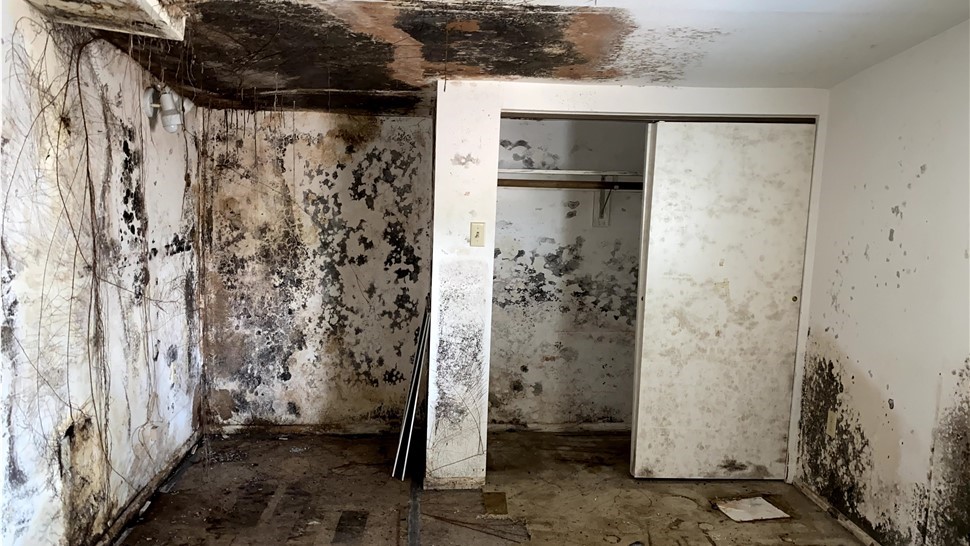
Why Black Mold Removal Becomes Necessary in Bayfront Homes in North Miami When Humidity Stays High for Weeks
Bayfront living in North Miami offers unmatched water views, cooling breezes, and a coastal lifestyle many homeowners seek. However, this same environment creates one of the most aggressive mold-risk zones in South Florida. When humidity remains high for weeks at a time—a common occurrence near Biscayne Bay—black mold growth can escalate from invisible moisture buildup to serious structural and indoor air quality problems.
In these conditions, black mold removal becomes necessary not because of a single leak or flood, but because moisture never truly leaves the structure. Understanding how prolonged humidity affects bayfront homes explains why professional mold removal is often unavoidable.
Understanding Black Mold in Coastal Environments
Black mold, commonly associated with Stachybotrys-type growth, thrives in environments where moisture is persistent rather than occasional. Unlike surface mildew that appears briefly and dries out, black mold establishes itself deep within materials that remain damp for extended periods.
Why Bayfront Homes Are More Vulnerable
- Constant exposure to humid marine air
- Salt particles that attract and hold moisture
- Warm temperatures that accelerate mold growth
- Reduced drying cycles during extended humidity
When humidity stays elevated for weeks, bayfront homes rarely get the opportunity to dry out naturally.
How Prolonged High Humidity Triggers Black Mold Growth
Moisture Absorption Happens Quietly
Many building materials used in North Miami homes are porous:
- Drywall
- Wood framing
- Baseboards
- Insulation
- Subflooring
When indoor humidity stays above 60% for long periods, these materials absorb moisture from the air itself, even without visible water intrusion.
Over time, they remain damp long enough for mold spores—already present in the environment—to activate and colonize.
Condensation Becomes a Hidden Water Source
In bayfront homes, warm humid air constantly meets cooler interior surfaces such as:
- Exterior-facing walls
- Window frames
- Air-conditioned ceilings
- Ductwork
This temperature difference causes repeated condensation cycles that act like slow leaks behind walls and under flooring.
Why Bayfront Homes Near Biscayne Bay Are at Higher Risk
Salt Air Holds Moisture Against Surfaces
Salt-laden air from Biscayne Bay does more than corrode metal—it retains moisture. Salt particles cling to walls, ducts, and structural materials, increasing surface dampness and slowing evaporation.
This creates a microclimate where mold thrives even when no plumbing or roof leaks exist.
Architectural Design Increases Exposure
Bayfront homes often feature:
- Large sliding glass doors
- Floor-to-ceiling windows
- Expansive balconies
- Minimal exterior shading
These design features increase condensation risk and allow more humid air to interact with interior materials daily.
The Role of Air Conditioning During Extended Humidity
Air conditioning is essential in North Miami, but it can also contribute to black mold conditions when humidity remains high for weeks.
Why AC Systems Struggle During Prolonged Humidity
- Oversized systems cool too quickly without dehumidifying
- Undersized systems run continuously without catching up
- Dirty coils reduce moisture removal
- Clogged condensate lines cause internal leaks
When AC systems cannot lower humidity fast enough, moisture builds up in:
- Air handlers
- Duct insulation
- Ceiling cavities
- AC closets
Once mold develops inside HVAC systems, spores circulate throughout the entire home.
Common Hidden Areas Where Black Mold Develops First
In real-world bayfront properties, black mold is most often discovered in places homeowners rarely inspect:
High-Risk Hidden Zones
- Behind kitchen cabinets on exterior walls
- Inside closets with poor airflow
- Under wood or laminate flooring
- Inside wall cavities near AC lines
- Around window and sliding door frames
- Attics with limited ventilation
By the time visible staining appears, mold colonies are often well-established.
Why High Humidity for Weeks Is Worse Than a Single Water Event
A sudden leak or flood often triggers immediate cleanup. Prolonged humidity does not.
Why Extended Humidity Is More Dangerous
- No obvious “water source” to alert homeowners
- Moisture remains trapped without drying cycles
- Damage develops slowly and invisibly
- Mold spreads before detection
This is why many bayfront homeowners are surprised by the severity of mold discovered during professional inspections.
Signs That Black Mold Removal Has Become Necessary
When humidity stays high for weeks, these warning signs should not be ignored:
Early Indicators
- Persistent musty or earthy odors
- Damp-feeling walls or baseboards
- Bubbling or peeling paint
- Warped wood flooring
- Discoloration near vents or windows
Advanced Indicators
- Visible black or dark green spotting
- Soft or crumbling drywall
- Strong odors when AC runs
- Recurring respiratory irritation indoors
At this stage, surface cleaning is no longer sufficient—professional black mold removal is required.
Why DIY Cleaning Does Not Work in Bayfront Mold Cases
Household cleaners and bleach only address surface staining. Black mold in bayfront homes typically penetrates deep into porous materials.
DIY Risks
- Mold roots remain inside walls and wood
- Spores spread during improper cleaning
- Moisture source remains unresolved
- Mold returns quickly in high humidity
Professional remediation includes containment, deep material removal when needed, and moisture correction—not just cleaning.
What Professional Black Mold Removal Involves
In bayfront homes in North Miami, mold removal is a controlled, multi-step process designed for coastal conditions.
Step 1: Moisture Detection
Advanced moisture meters and thermal imaging identify hidden dampness behind walls and floors.
Step 2: Containment
Affected areas are sealed to prevent spores from spreading throughout the home.
Step 3: Removal of Contaminated Materials
Damaged drywall, insulation, or flooring is safely removed when necessary.
Step 4: HEPA Filtration & Cleaning
Air scrubbers and specialized cleaning methods remove airborne spores and surface contamination.
Step 5: Structural Drying & Dehumidification
Industrial equipment removes trapped moisture from structural materials.
Step 6: Prevention Planning
Ventilation, AC performance, and humidity control are addressed to prevent recurrence.
Why Local Coastal Experience Matters
Black mold behavior in bayfront North Miami homes differs from inland properties.
Professionals familiar with local conditions understand:
- How salt air affects materials
- How slab foundations trap moisture
- How coastal humidity behaves over time
- How AC systems perform near the bay
Tip Top Water and Fire Damage Restoration has hands-on experience with bayfront properties in North Miami, where humidity-driven mold is common and often misunderstood.
Long-Term Strategies to Prevent Future Mold Issues
Humidity Management
Maintain indoor humidity between 45–55% year-round.
HVAC Maintenance
Regularly clean drain lines, coils, and duct systems.
Improved Ventilation
Ensure closets, bathrooms, and attics have proper airflow.
Routine Moisture Inspections
Professional inspections catch hidden moisture early.
Post-Storm Checks
Inspect windows, attics, and AC areas after heavy weather.
Final Perspective for Bayfront Homeowners
In bayfront homes in North Miami, black mold removal becomes necessary not because of neglect, but because humidity never gives materials a chance to dry. When moisture remains trapped for weeks, mold growth is not a possibility—it is an inevitability.
Understanding this reality allows homeowners to act earlier, repair smarter, and protect both property value and indoor air quality. In a coastal environment shaped by Biscayne Bay, proactive moisture control and professional mold remediation are essential parts of responsible homeownership.