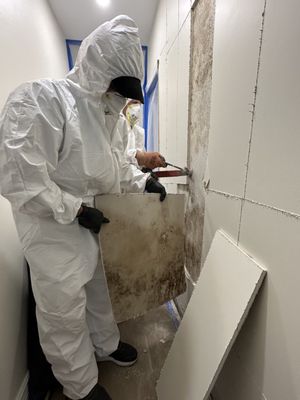
Why Black Mold Removal Becomes Necessary in North Miami Beach in Older Houses
North Miami Beach is home to a mix of modern condos and older houses, many of which were built decades ago. While these older homes offer charm and character, they also present unique challenges for property maintenance. One of the most critical concerns is black mold (Stachybotrys chartarum), which thrives in high humidity and hidden moisture common in older construction. At Tip Top Water and Fire Damage Restoration, we specialize in mold inspection, black mold removal, and water damage remediation for North Miami Beach, North Miami, Sunny Isles Beach, Bal Harbour, Aventura, Miami Shores, Surfside, Biscayne Park, and surrounding coastal neighborhoods. Understanding why black mold removal becomes necessary in older houses is essential for maintaining a safe and healthy home.
What Black Mold Is
Black mold is a type of fungus that grows in damp, poorly ventilated areas. It often appears as dark green or black patches, but it can also develop behind walls, under floors, or inside HVAC systems where it is not visible. Unlike common household mold, black mold is particularly resilient, reproduces quickly, and can colonize a variety of materials including:
- Drywall and plaster
- Wood framing and flooring
- Insulation
- Carpet and underlayment
- HVAC ductwork and drip pans
Even small, hidden infestations can spread rapidly, making professional detection and removal necessary in older homes.
Why Older Houses Are More Vulnerable
Older houses in North Miami Beach often have characteristics that make them more susceptible to black mold:
- Aging Plumbing – Leaky pipes and connections may go unnoticed for months, allowing water to accumulate in walls and under floors.
- Roof and Window Wear – Worn seals, roofing materials, and flashing can allow rainwater to penetrate ceilings, attics, and walls.
- Outdated Construction Materials – Older insulation, wood, and drywall absorb moisture more readily than modern, moisture-resistant materials.
- Slab Foundations – Poor drainage around slab foundations can lead to water seeping under floors and into crawl spaces.
- Ventilation Limitations – Older homes often have smaller vents and less airflow in attics and wall cavities, creating a humid environment conducive to mold growth.
These factors mean that black mold can develop in hidden areas before homeowners notice any visual signs.
Common Signs That Black Mold Is Present
Experienced inspectors look for both obvious and subtle indicators of black mold:
- Dark green or black patches on walls, ceilings, or floors
- Musty or damp odors throughout the house
- Peeling paint, wallpaper bubbling, or water stains
- Warped or soft flooring, particularly near bathrooms or kitchens
- Visible mold growth around AC vents, ductwork, or drip pans
Even minor signs may indicate a more extensive hidden infestation, making professional inspection critical.
Hidden Sources of Black Mold in Older Homes
Black mold often develops in concealed areas that are overlooked during routine cleaning:
- Crawl Spaces – Ground moisture, poor drainage, and limited airflow create ideal conditions for mold growth.
- Attics – Roof leaks, condensation, and insufficient ventilation promote hidden fungal colonies.
- Wall Cavities – Leaks from plumbing or exterior walls can allow mold to thrive behind drywall or paneling.
- HVAC Systems – AC condensate lines, drip pans, and ducts can harbor mold and distribute spores throughout the home.
- Under Flooring – Water infiltration under hardwood, laminate, or carpet often goes unnoticed until structural damage occurs.
Detecting these hidden sources requires specialized tools and local experience to prevent mold from spreading further.
Why DIY Black Mold Removal Often Fails
Homeowners may attempt to clean black mold themselves using household cleaners or bleach, but these methods are rarely effective in older houses:
- Limited Access – Mold in wall cavities, attics, and ducts is difficult to reach without professional equipment.
- Incomplete Removal – Surface cleaning may leave behind spores that will continue to grow.
- Safety Risks – Disturbing mold without protective equipment can spread spores and affect indoor air quality.
- Underlying Moisture Not Addressed – Without fixing leaks or controlling humidity, mold will return quickly.
Professional remediation ensures that mold is fully removed and the moisture source is corrected.
The Professional Black Mold Removal Process
Effective removal of black mold in older homes involves several key steps:
- Inspection and Assessment – Identify visible mold, moisture sources, and areas at risk of hidden contamination.
- Containment – Isolate affected areas using plastic barriers and negative air pressure to prevent spores from spreading.
- Protective Measures – Technicians wear respirators, gloves, and protective suits to ensure safety.
- Removal of Contaminated Materials – Replace drywall, insulation, carpeting, or other materials that cannot be fully cleaned.
- Cleaning and Disinfection – Use EPA-approved solutions to eliminate residual spores from structural components.
- Moisture Control – Repair leaks, improve drainage, and use dehumidifiers to prevent recurrence.
- Post-Remediation Verification – Air sampling and visual inspection confirm the home is safe and mold-free.
This structured approach ensures both the immediate infestation and the underlying causes are addressed.
Real-World Observations from North Miami Beach Homes
In older homes near North Miami Beach, several patterns commonly appear:
- Attic and Crawl Space Problems – Poor ventilation and leaks create hidden colonies of mold.
- AC System Contributions – Condensation or clogged drip pans often contribute to microbial growth.
- Stormwater and Rain Intrusion – Heavy rains and hurricanes frequently introduce water into older structures.
- Aging Materials – Old insulation, wood, and drywall often absorb moisture, accelerating mold growth.
Understanding these patterns allows inspectors to focus on areas most at risk, ensuring thorough remediation.
Preventing Black Mold in Older Homes
Property owners can take proactive measures to reduce the likelihood of black mold:
- Inspect roofs, windows, and plumbing regularly for leaks
- Maintain HVAC systems, including cleaning ducts and drip pans
- Monitor indoor humidity levels and use dehumidifiers if necessary
- Ensure attics, crawl spaces, and wall cavities are properly ventilated
- Schedule regular professional inspections, especially after storms or heavy rainfall
Preventive maintenance reduces the risk of expensive remediation and protects both indoor air quality and structural integrity.
Why Local Expertise Matters
North Miami Beach’s coastal environment presents challenges that differ from inland areas:
- Persistent high humidity accelerates mold growth
- Salt-laden air increases the likelihood of leaks and AC corrosion
- Tropical storms and heavy rainfall can cause sudden water intrusion
- Older homes often have hidden vulnerabilities requiring careful inspection
Local professionals like Tip Top Water and Fire Damage Restoration understand these environmental factors and tailor black mold removal strategies to coastal homes.
Calm, Trust-Based Call to Action
Black mold in older North Miami Beach homes is a serious concern that requires professional inspection, removal, and preventive measures. Experienced inspectors identify hidden moisture, assess structural risks, and implement targeted remediation to protect your home. Professional black mold removal ensures both visible and hidden mold are safely addressed while preventing recurrence. Tip Top Water and Fire Damage Restoration provides the expertise, tools, and local knowledge necessary to safeguard older homes in North Miami Beach and surrounding coastal communities.