
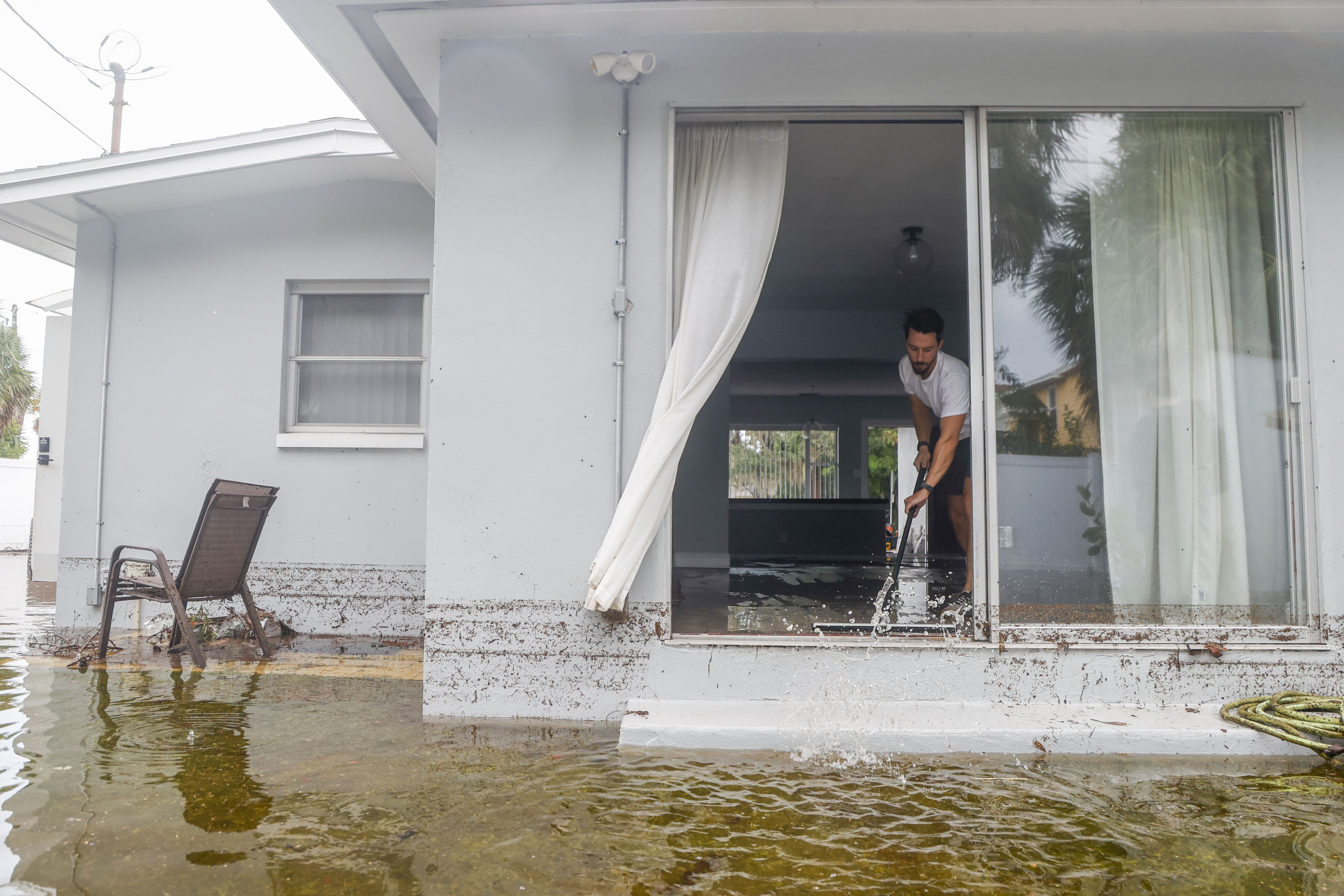
Why Carpet Cleaning After Water Damage Becomes Necessary in North Miami in Waterfront Properties
Waterfront properties in North Miami offer open views of Biscayne Bay, steady coastal breezes, and strong long-term value. But proximity to water also means constant exposure to humidity, heavy rains, storm surge, and elevated groundwater.
When water enters a waterfront home — whether from storms, plumbing leaks, AC failures, or rising moisture — carpet is usually the first material affected. And in North Miami’s humid coastal climate, carpet cannot simply be left to “air dry.”
Carpet cleaning after water damage becomes necessary not just for appearance, but for structural protection, odor control, and mold prevention.
Here’s why.
Waterfront Conditions Accelerate Moisture Problems
In North Miami waterfront neighborhoods, humidity rarely drops significantly.
Even after heavy rain stops, outdoor air remains damp. That means wet carpet dries much more slowly than it would inland.
When carpet absorbs water, moisture spreads into:
- Carpet fibers
- Carpet padding
- Tack strips
- Subfloors
- Concrete slabs
If moisture remains for more than 24–48 hours, mold growth becomes a real risk.
Because waterfront air already carries moisture, drying must be controlled — not passive.
Storm Intrusion and Wind-Driven Rain
Wind-driven rain is common in coastal South Florida.
Storms push water through:
- Sliding glass doors
- Window frames
- Balcony thresholds
- Garage doors
Even a small amount of intrusion can soak carpet edges along exterior walls.
Many waterfront homes in North Miami Beach and nearby Surfside experience repeated minor intrusions during storm season.
Without proper cleaning and drying, carpet fibers trap moisture and debris.
Carpet cleaning becomes necessary to remove contaminants and restore airflow through the material.
AC-Related Water Damage
Air conditioning systems operate almost continuously in waterfront properties.
Common AC-related water issues include:
- Clogged condensate drain lines
- Rusted drain pans
- Duct condensation dripping into ceilings
- Air handler overflows
When AC systems leak, water may drip onto carpeted areas below mechanical closets.
Because these leaks can continue slowly for days, carpet may remain damp without obvious standing water.
Carpet cleaning after AC-related water damage removes trapped moisture and prevents odor development.
Salt Exposure Adds Another Layer of Risk
Water intrusion in waterfront homes may involve salt exposure, especially during storm surge events.
Saltwater contamination:
- Damages carpet fibers
- Leaves residue
- Attracts moisture
- Accelerates deterioration
If salt residue remains in carpet, fibers break down faster and odors persist.
Professional carpet cleaning removes salt deposits and prevents long-term damage.
Carpet Padding Is the Hidden Problem
Carpet padding absorbs water quickly and dries very slowly.
In slab-on-grade homes common in North Miami, moisture becomes trapped between padding and concrete.
This creates ideal conditions for:
- Mold growth
- Persistent musty odors
- Subfloor damage
Often, padding must be removed and replaced even if carpet fibers are salvageable.
Leaving wet padding in place almost guarantees future contamination.
Mold Growth Begins Quickly in Humid Climates
In North Miami’s warm, humid environment, mold can begin forming within 24–48 hours after water exposure.
Carpet is especially vulnerable because it:
- Traps organic debris
- Holds moisture
- Limits airflow beneath fibers
Signs that mold may be developing include:
- Musty odors
- Discoloration
- Increased allergy-like symptoms indoors
- Elevated humidity levels
Carpet cleaning combined with proper drying helps prevent mold from spreading into walls and subfloors.
Subfloor Moisture Often Goes Unnoticed
Even if carpet feels dry on top, subfloors may remain damp.
Water travels downward into:
- Plywood subfloors
- Concrete slabs
- Floor joists
Without moisture detection tools, hidden dampness may remain long after surface drying.
Professional carpet cleaning following water extraction includes evaluation of subfloor moisture levels.
Reinstalling carpet before subfloors dry leads to recurring issues.
Odor Control in Waterfront Homes
Water-damaged carpet frequently produces odors.
In waterfront properties, humidity intensifies those odors.
Moisture trapped inside fibers allows bacteria and microbial growth to develop.
Even if visible stains disappear, odors may linger.
Deep extraction and professional cleaning remove embedded contaminants and restore indoor air quality.
Ignoring odor often means moisture remains.
High-Rise Condo Considerations
In Aventura and North Miami waterfront high-rises, water damage often travels between units.
Upper-floor leaks may drip into lower-level carpeted areas.
Balcony drainage overflow can affect multiple floors.
Carpet cleaning becomes necessary not just to restore appearance, but to prevent moisture migration between shared structural elements.
Coordinated drying in multi-unit buildings protects adjacent units.
When Carpet Must Be Replaced
Not all carpet can be saved.
Replacement is often necessary when:
- Floodwater was contaminated
- Padding remained wet for more than 48 hours
- Mold growth is visible
- Saltwater intrusion occurred
- Fibers have deteriorated
Attempting to clean heavily contaminated carpet may delay proper remediation.
Professional assessment determines whether cleaning or replacement is the safer option.
The Carpet Cleaning Process After Water Damage
Effective carpet recovery typically includes:
- Rapid water extraction using commercial equipment
- Padding evaluation and removal if necessary
- Subfloor moisture detection
- Industrial dehumidification
- Hot water extraction cleaning
- Antimicrobial treatment if appropriate
- Humidity monitoring until stability is confirmed
Each step supports long-term protection.
Surface cleaning alone is insufficient in humid coastal environments.
Prevention in Waterfront Properties
Property owners in North Miami can reduce carpet-related water damage by:
- Inspecting sliding door seals before storm season
- Maintaining AC drain lines
- Monitoring indoor humidity
- Installing water leak sensors
- Keeping exterior drainage systems clear
- Scheduling annual moisture inspections
Vacation properties should maintain consistent climate control year-round.
Humidity buildup in unoccupied units is a common cause of carpet mold growth.
Why Local Coastal Experience Matters
Carpet cleaning after water damage in North Miami waterfront homes requires understanding:
- Wind-driven rain behavior
- Saltwater contamination
- Slab moisture migration
- High humidity drying challenges
- Multi-unit building dynamics
A restoration professional familiar with North Miami, Miami Shores, Biscayne Park, Aventura, and nearby bayfront neighborhoods recognizes how these environmental factors influence carpet recovery.
Tip Top Water and Fire Damage Restoration has handled water damage and carpet cleaning projects throughout these coastal communities, applying drying strategies tailored specifically for South Florida’s climate.
Local knowledge ensures moisture is fully removed — not temporarily masked.
A Practical Perspective
Carpet cleaning after water damage becomes necessary in North Miami waterfront properties because moisture does not disappear on its own.
Humidity slows drying. Salt exposure increases deterioration. Slab foundations trap moisture. HVAC systems circulate damp air.
Ignoring wet carpet often leads to:
- Mold growth
- Persistent odors
- Subfloor damage
- Costly remediation
Acting within the first 24–48 hours significantly improves outcomes.
Water intrusion may be part of coastal living, but long-term carpet damage does not have to be.
With rapid extraction, proper drying, and structured cleaning, waterfront properties can recover fully while protecting indoor air quality and structural integrity.