
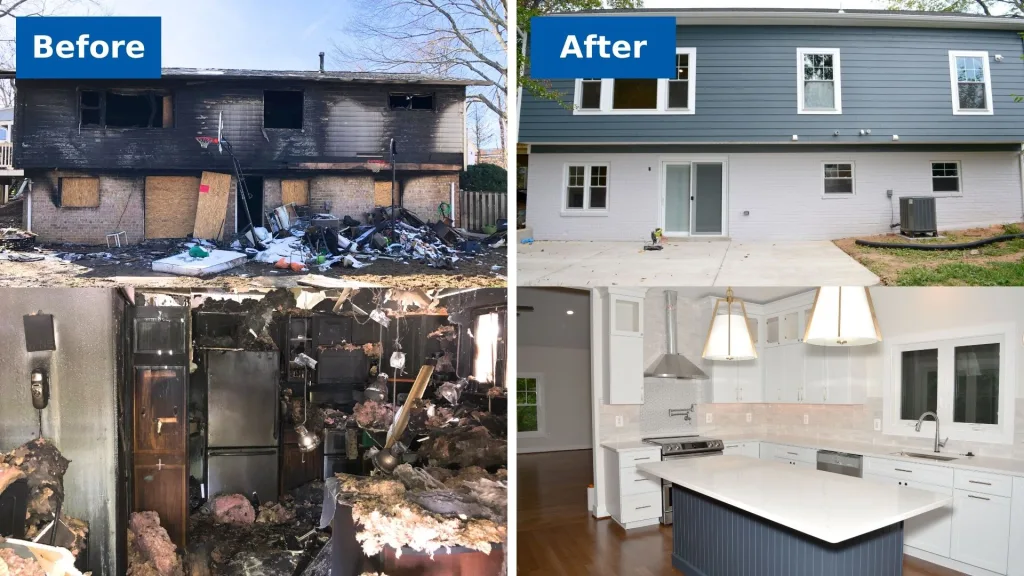
Why Fire Damage Restoration Becomes Necessary in Bal Harbour from AC Condensation Problems
Bal Harbour’s coastal environment offers beautiful ocean views and comfortable residential living, but the same climate that attracts residents also creates unique maintenance challenges for property owners. One issue that often goes unnoticed until serious damage occurs is air conditioning condensation. While AC systems are designed to remove humidity from indoor air, problems within these systems can sometimes lead to moisture accumulation, electrical hazards, and in rare but serious cases, fires that require professional restoration.
Many homeowners do not immediately connect air conditioning problems with fire damage. However, long-term moisture exposure from condensation leaks can compromise electrical components, weaken building materials, and create unsafe conditions inside homes and condominiums. Understanding how AC condensation problems lead to fire risks—and why restoration becomes necessary—helps Bal Harbour property owners prevent future incidents while protecting their properties.
Early maintenance and professional response are key to avoiding long-term damage.
How AC Condensation Problems Develop
Air conditioning systems remove humidity by cooling indoor air. As warm air moves across cold evaporator coils, moisture condenses into water droplets. This water normally drains away through a condensate line and exits the building safely.
However, when drain lines become clogged or damaged, water may back up into ceilings, walls, or mechanical spaces. Over time, this moisture can accumulate unnoticed, soaking nearby materials and equipment.
In humid coastal areas like Bal Harbour, AC systems run almost constantly during warmer months. When condensation problems go unresolved, moisture exposure becomes continuous, creating conditions that allow electrical systems and structural components to deteriorate.
Small maintenance issues can gradually evolve into larger risks.
Why This Happens So Often in Bal Harbour
Bal Harbour’s climate creates perfect conditions for condensation problems. High humidity levels mean air conditioning systems must constantly remove moisture to keep indoor environments comfortable.
Because systems run for long periods, even minor drainage issues quickly result in moisture buildup. Coastal air exposure may also accelerate corrosion of metal components inside AC systems and electrical panels.
Additionally, many luxury condominiums and waterfront homes contain complex HVAC installations hidden within ceilings or mechanical rooms, making condensation leaks harder to detect early.
When moisture interacts with electrical wiring or equipment over time, fire hazards may develop.
Common Signs Homeowners Notice Before Problems Escalate
Most properties show warning signs before fire risks develop. Homeowners frequently report symptoms connected to AC condensation problems, including:
Water stains forming on ceilings or walls
Musty odors near vents or closets
Dripping water around air handlers
Peeling paint or bubbling drywall
Unexpected humidity indoors
Mold forming near AC units
In more severe cases, residents may notice electrical issues such as flickering lights or circuit breaker trips caused by moisture exposure.
Addressing these signs early prevents larger restoration needs later.
Hidden or Overlooked Sources of Damage
Moisture from AC condensation leaks often spreads into areas homeowners cannot easily see. Professional inspections frequently uncover damage in:
Ceiling cavities around air handlers
Wall insulation near condensate lines
Electrical wiring exposed to moisture
Duct insulation saturated with condensation
Mechanical closets or utility spaces
Because these areas remain hidden, corrosion and electrical damage may develop unnoticed for extended periods.
Once electrical components become compromised, overheating or short circuits can occur, potentially leading to fire damage.
Why DIY Fixes Usually Fail
Some homeowners attempt to fix condensation problems by clearing visible water or adjusting thermostat settings. While these steps may temporarily reduce moisture, they rarely address underlying drainage or system issues.
Without professional inspection, blocked drain lines, failing insulation, or electrical exposure may remain unresolved. DIY cleaning also fails to detect moisture spread behind walls or ceilings.
Once fire damage occurs, cleanup becomes far more complex than addressing moisture problems early.
Professional service prevents minor issues from becoming dangerous situations.
Professional Inspection and Testing Explained
Restoration after fire damage begins with thorough inspection. Specialists evaluate how condensation problems led to damage and determine which materials are affected.
Moisture detection tools identify hidden damp areas behind surfaces, while technicians inspect HVAC components and nearby electrical systems for damage. Air quality assessments may also be conducted to detect smoke or soot contamination.
Proper inspection ensures restoration addresses both fire damage and the moisture issues that caused it.
Accurate diagnosis prevents recurring problems after repairs.
Proper Fire Damage Restoration Process
Fire damage restoration involves multiple steps to return homes to safe conditions. First, technicians remove soot and smoke residue from walls, ceilings, and surfaces. Specialized cleaning solutions eliminate contamination without damaging finishes.
Odor removal treatments neutralize lingering smoke smells that may persist after fires. Air scrubbers and filtration equipment help restore indoor air quality.
If moisture from condensation remains present, drying equipment eliminates dampness to prevent mold growth. Damaged drywall, insulation, or wiring may also require replacement before repairs restore normal living conditions.
Companies like Tip Top Water and Fire Damage Restoration frequently assist Bal Harbour homeowners facing complex restoration needs after AC-related fire incidents, ensuring properties are safely repaired.
Complete restoration prevents future risks.
Flood Restoration and Water Damage Repair After Fire Incidents
Fire suppression efforts often introduce additional moisture into homes. Sprinkler systems or firefighting efforts may leave significant water behind, requiring water removal and drying alongside fire cleanup.
Wet materials may later develop mold if not dried properly. Restoration teams therefore address both smoke damage and water intrusion simultaneously.
Combining fire and flood restoration ensures homes return to safe, dry conditions.
Proper drying prevents further contamination.
Air Ducts, AC Systems, and Post-Fire Risks
HVAC systems often spread smoke contamination after fires. Soot particles may settle inside ductwork and circulate throughout the home when systems operate.
Professional cleaning ensures ducts and air handlers are free of contamination. Repairs to AC systems also prevent condensation problems from recurring.
Maintaining ventilation systems protects indoor air quality and improves system efficiency.
Proper airflow supports long-term comfort and safety.
How to Prevent AC Condensation Problems in Bal Harbour Homes
Preventive maintenance significantly reduces risks associated with condensation and electrical damage. Property owners can protect homes by:
Maintaining AC systems regularly
Cleaning condensate drain lines
Monitoring humidity levels indoors
Inspecting ceilings near air handlers
Repairing leaks immediately
Scheduling routine HVAC inspections
Installing overflow safety switches also helps prevent water damage when drain lines clog.
Preventive care protects both equipment and property.
Why Local Experience Matters
Restoration challenges in coastal communities differ from inland areas. Professionals familiar with Bal Harbour understand how humidity, salt air, and building designs influence moisture and electrical risks.
Local expertise allows technicians to identify common trouble spots quickly and recommend solutions suited to coastal properties rather than generic approaches.
Tip Top Water and Fire Damage Restoration regularly works with property owners throughout Bal Harbour dealing with moisture and restoration challenges unique to beachfront living.
Local knowledge speeds recovery and improves results.
A Calm, Practical Path Forward
AC condensation problems rarely seem dangerous at first, yet long-term moisture exposure can create serious risks inside homes. Understanding how condensation affects electrical systems helps homeowners take preventive action before damage occurs.
Professional restoration, combined with proper maintenance, allows Bal Harbour residents to protect their homes and avoid future complications. With timely inspections and repairs, properties remain safe and comfortable despite coastal climate challenges.
Addressing moisture problems early prevents restoration from becoming a recurring necessity.