Why Flood Restoration Becomes Necessary in Bal Harbour During Humid Summer Months
Flooding is a recurring concern for property owners in Bal Harbour, especially during the humid summer months. While heavy rainfall and storms are obvious causes, humidity itself plays a major role in how water damage develops and why restoration becomes necessary. In coastal environments near Biscayne Bay, moisture lingers longer, materials dry more slowly, and hidden dampness can lead to structural damage or mold growth if not addressed properly.
Understanding why flood restoration is often required in summer helps homeowners, landlords, and property managers respond quickly and prevent long-term problems.
How Summer Weather Increases Flood Risks
Summer in Bal Harbour brings a combination of intense heat, frequent thunderstorms, and extremely high humidity. These conditions create the perfect environment for water intrusion and slow drying.
Flood restoration often becomes necessary due to:
- Sudden heavy rain overwhelming drainage systems
- Stormwater entering low-lying areas
- Roof leaks during wind-driven rain
- Plumbing failures under increased seasonal demand
- Condensation buildup from air conditioning systems
Even small flooding events can cause significant damage when humidity prevents materials from drying naturally.
The Role of Humidity in Flood Damage
Humidity is one of the most important factors affecting how flood damage behaves. When the air is already saturated with moisture, evaporation slows dramatically. Water trapped in walls, floors, and insulation may remain for days or even weeks.
High humidity can lead to:
- Prolonged dampness in structural materials
- Increased risk of mold growth
- Persistent odors
- Warping or weakening of wood and drywall
In coastal communities such as Surfside, North Miami Beach, and Sunny Isles Beach, these challenges are common during summer months.
Why Minor Flooding Can Become a Major Problem
Many property owners assume that if standing water is removed quickly, the problem is resolved. However, water often travels beneath surfaces and into concealed spaces.
After a flooding incident, moisture may remain in:
- Subflooring beneath tile or carpet
- Wall cavities behind drywall
- Baseboards and framing
- Attic insulation in top-floor units
Because these areas receive limited airflow, moisture may remain trapped long enough to cause damage or mold growth.
Common Signs Flood Restoration Is Needed
Flood damage does not always appear immediately. Property owners in Bal Harbour often notice subtle signs before realizing the extent of the problem.
Typical warning signs include:
- Musty or damp odors
- Warped or uneven flooring
- Peeling paint or bubbling drywall
- Stains on ceilings or walls
- Persistent indoor humidity
These signs often indicate hidden moisture that requires professional drying and restoration.
How Older Buildings and Condos Are Affected
Many properties in Bal Harbour include older structures or multi-unit buildings where plumbing and drainage systems are shared. In these environments, water intrusion can spread beyond the original source.
Flooding in one unit may affect:
- Adjacent units through shared walls
- Lower floors through ceiling cavities
- Hallways and storage areas
- HVAC and duct systems
Because moisture can travel through structural pathways, restoration often involves inspecting multiple areas, not just the visible damage.
The Risk of Mold After Summer Flooding
Mold growth is one of the main reasons flood restoration becomes necessary. Mold can begin developing within 24 to 48 hours when moisture remains trapped in organic materials.
Areas most vulnerable include:
- Drywall and ceiling panels
- Carpet padding and subflooring
- Wooden framing
- Insulation
In humid summer conditions, mold growth can occur more quickly than many homeowners expect.
Why DIY Drying Is Often Not Enough
After minor flooding, property owners sometimes attempt to dry affected areas using fans or household equipment. While this may improve surface dryness, deeper moisture often remains.
DIY drying may fail because:
- Subflooring retains moisture
- Humidity prevents evaporation
- Hidden areas are not reached
- Moisture inside walls remains undetected
Professional drying equipment and moisture detection tools are designed to remove water from structural materials, not just surfaces.
The Flood Restoration Process Explained
Flood restoration involves several steps to ensure that moisture is removed and the structure is fully restored.
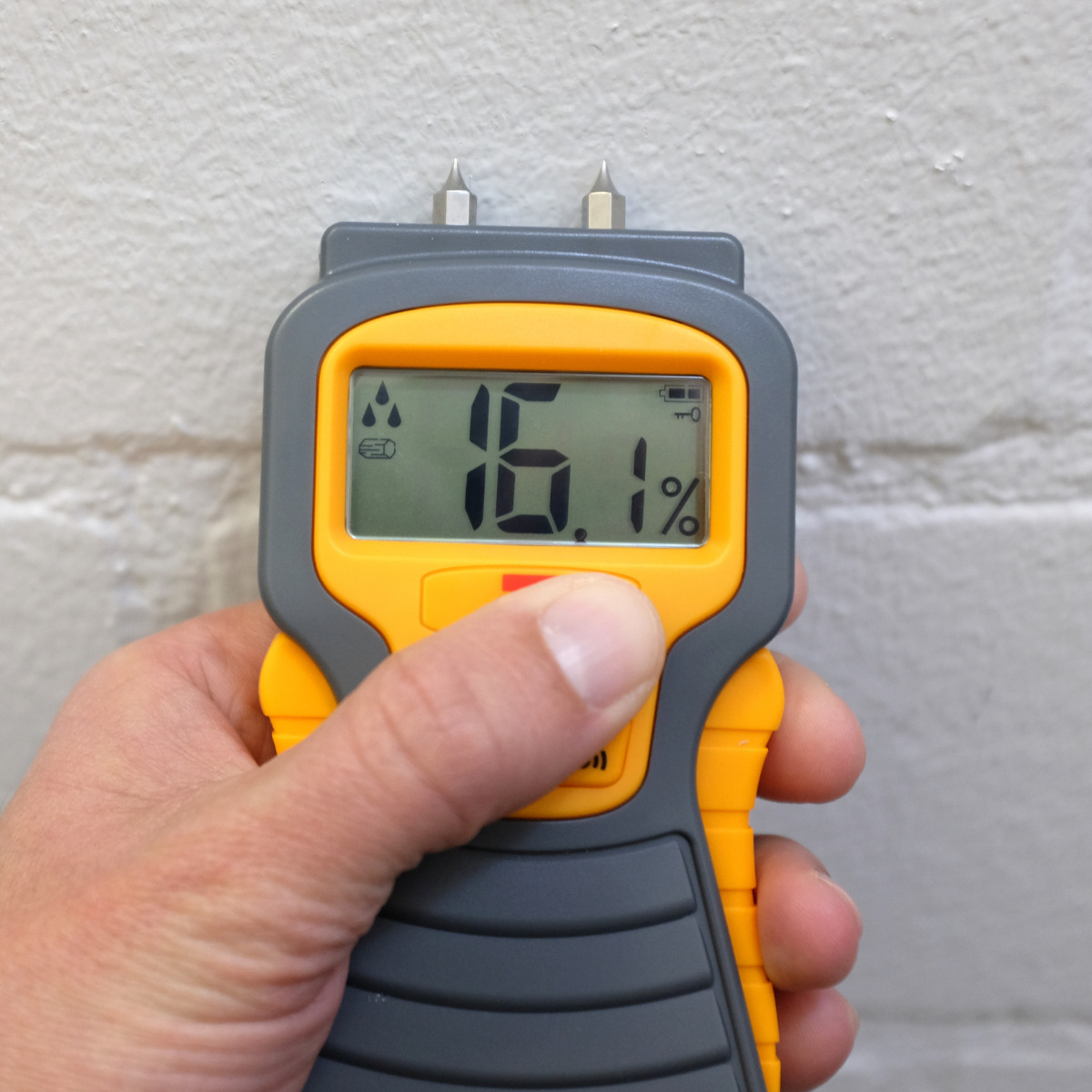
1. Inspection and Moisture Detection
Technicians locate the source of water and measure moisture levels in affected materials.
2. Water Extraction
Standing water is removed using specialized equipment to prevent further absorption.
3. Drying and Dehumidification
Air movers and industrial dehumidifiers remove moisture from walls, floors, and ceilings. In humid climates, this stage may take longer than expected.
4. Cleaning and Sanitizing
Affected surfaces are cleaned to remove contaminants and odors.
5. Repairs and Restoration
Damaged materials may be repaired or replaced once drying is complete.
Tip Top Water and Fire Damage Restoration frequently performs flood restoration projects in Bal Harbour and nearby coastal communities, where summer humidity often extends drying times.
HVAC Systems and Moisture After Flooding
Air conditioning systems play a major role in controlling humidity, but they can also be affected by flood damage. Moisture can enter ducts, insulation, or air handlers, leading to odors or reduced air quality.
During restoration, technicians often inspect:
- Air ducts and vents
- Condensate drain lines
- Air handlers
- Insulated ductwork
Cleaning and drying these components helps restore proper airflow and indoor comfort.
Preventing Flood Damage During Humid Months
Preventive maintenance is one of the most effective ways to reduce the likelihood of flood damage.
Helpful steps include:
- Inspect roofs and drainage systems regularly
- Clear gutters and downspouts
- Maintain plumbing and appliance hoses
- Monitor indoor humidity levels
- Address leaks promptly
Small repairs handled early often prevent larger restoration work later.
Why Local Experience Matters
Flood restoration in coastal South Florida requires an understanding of humidity, weather patterns, and building construction. Homes and condos in Bal Harbour often experience slower drying times and higher moisture levels than inland properties.
Professionals familiar with Bal Harbour, Surfside, North Miami, and Biscayne Park understand:
- How humidity affects drying times
- Where hidden moisture is most likely to remain
- Which materials are most vulnerable
- How to prevent mold after flooding
Tip Top Water and Fire Damage Restoration has extensive experience working in these environments, where environmental conditions significantly influence restoration strategies.
A Calm, Practical Next Step
Flooding during humid summer months can create problems that are not immediately visible. Acting quickly to remove water, dry materials, and inspect hidden areas helps prevent mold growth and structural damage.
For property owners in Bal Harbour, understanding how humidity affects flood damage is the first step toward protecting homes and maintaining indoor comfort. Prompt inspection and thorough restoration ensure that small flooding incidents do not turn into long-term issues.