
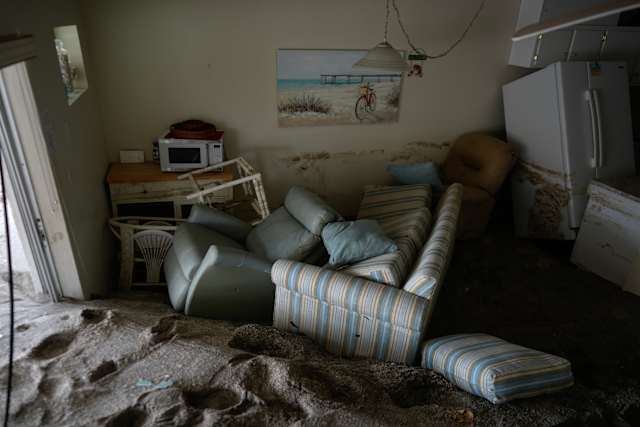
Why Flood Restoration Becomes Necessary in Coastal Neighborhoods Near Biscayne Bay Following Indoor Flooding
Indoor flooding in coastal neighborhoods near Biscayne Bay is rarely a simple cleanup situation. Whether the property is in North Miami, Miami Shores, Biscayne Park, Aventura, Surfside, or Sunny Isles Beach, once water enters the structure, the situation changes quickly.
In South Florida’s humid coastal climate, indoor flooding almost always requires professional flood restoration — not just water removal. The difference matters.
Flood restoration addresses structural drying, contamination, mold prevention, HVAC evaluation, and long-term stability. Skipping these steps often leads to recurring damage weeks or months later.
Here’s why flood restoration becomes necessary following indoor flooding in waterfront communities near Biscayne Bay.
Coastal Humidity Slows Natural Drying
After indoor flooding, some property owners assume fans and open windows will solve the problem.
In coastal South Florida, that approach rarely works.
Outdoor humidity near Biscayne Bay often exceeds 70%. Opening windows may introduce even more moisture into the property.
As a result:
- Floors remain damp
- Walls retain moisture
- Insulation stays saturated
- Concrete slabs dry slowly
Flood restoration uses controlled dehumidification and monitored drying to stabilize moisture levels properly.
Without it, hidden dampness remains.
Water Travels Beyond the Visible Area
When indoor flooding occurs, water spreads quickly through:
- Carpet padding
- Wood flooring
- Baseboards
- Drywall
- Subfloors
- Wall cavities
Even if standing water appears limited to one room, moisture may have migrated into adjacent spaces.
In slab-on-grade homes common in Miami Shores and North Miami, water can travel laterally beneath flooring materials.
Flood restoration includes moisture mapping to identify how far water has spread.
Surface drying alone is not enough.
Mold Risk Increases Within 24–48 Hours
In humid coastal neighborhoods, mold growth can begin rapidly after flooding.
Warm temperatures and elevated moisture create ideal conditions.
If water remains inside:
- Insulation
- Ceiling cavities
- Wall assemblies
- Flooring systems
Microbial growth may begin within two days.
Flood restoration includes rapid extraction, removal of saturated materials, and structural drying to reduce mold risk.
Delaying restoration increases the likelihood that mold remediation will also be required.
Saltwater Exposure Adds Corrosion Risk
If flooding near Biscayne Bay involves storm surge or exterior intrusion, saltwater may be present.
Saltwater contamination:
- Accelerates corrosion
- Damages electrical systems
- Weakens drywall and framing
- Leaves residue behind
Salt combined with humidity worsens long-term deterioration.
Flood restoration includes cleaning contaminated surfaces and evaluating electrical components.
Ignoring salt residue leads to ongoing structural decline.
High-Rise Condo Dynamics Complicate Flooding
In Aventura and Sunny Isles Beach, many properties are high-rise condos.
Indoor flooding in one unit may affect multiple floors.
Water may travel:
- Down shared plumbing stacks
- Through vertical wall cavities
- Into lower-level ceilings
- Across shared mechanical spaces
Flood restoration in multi-unit buildings requires containment and coordination with building management.
Moisture migration between units increases the need for professional intervention.
HVAC Systems Often Become Contaminated
Flooding frequently impacts HVAC systems.
Moisture may enter:
- Air handler compartments
- Duct insulation
- Ceiling-mounted units
When AC systems restart, damp ductwork may circulate humid air or contaminants.
Flood restoration includes HVAC inspection to prevent ongoing air quality problems.
In waterfront communities, where AC systems operate constantly, this step is critical.
Slab Foundations Retain Moisture
Many coastal homes near Biscayne Bay are built on concrete slabs.
After indoor flooding, slabs absorb and retain moisture.
Concrete dries slowly, especially in humid climates.
If flooring is reinstalled before slab moisture stabilizes, problems may reappear:
- Warped hardwood
- Musty odors
- Mold growth beneath flooring
Flood restoration includes monitoring slab moisture until safe levels are confirmed.
Premature reconstruction leads to repeat damage.
Odor Development Signals Hidden Moisture
Persistent musty odors after indoor flooding are common in coastal homes.
Odor indicates:
- Trapped moisture
- Saturated insulation
- Potential microbial growth
If smells linger beyond initial cleanup, deeper drying is required.
Flood restoration addresses hidden dampness rather than masking odor.
Insurance and Documentation Considerations
Indoor flooding often triggers insurance claims.
Flood restoration provides:
- Documented moisture readings
- Photographs of damage
- Drying logs
- Removal records
Proper documentation supports claim processing and clarifies the extent of damage.
Without structured restoration, long-term deterioration may not be covered later.
The Flood Restoration Process
Following indoor flooding, restoration typically includes:
- Immediate water extraction
- Removal of saturated materials
- Industrial dehumidification
- Air movement to accelerate drying
- Moisture mapping and monitoring
- Mold risk assessment
- HVAC inspection
- Controlled reconstruction after drying
Each step protects structural integrity and indoor air quality.
Skipping steps increases the chance of recurring issues.
Prevention After Restoration
Once flood restoration is complete, property owners near Biscayne Bay can reduce future risk by:
- Inspecting roofs before hurricane season
- Sealing windows and doors annually
- Maintaining AC drain lines
- Monitoring indoor humidity
- Installing water leak sensors
- Scheduling annual moisture inspections
Waterfront properties require consistent maintenance.
Humidity and storm exposure are ongoing realities.
Why Local Coastal Experience Matters
Flood restoration in coastal neighborhoods requires understanding:
- Wind-driven rain behavior
- Slab moisture migration
- Saltwater contamination
- High-rise building dynamics
- Humidity-controlled drying techniques
A restoration professional familiar with North Miami, Miami Shores, Biscayne Park, Aventura, Surfside, and Sunny Isles Beach recognizes how these environmental pressures affect structures.
Tip Top Water and Fire Damage Restoration has handled flood-related projects throughout these bayfront communities, applying drying strategies tailored specifically to South Florida’s coastal climate.
Local knowledge ensures thorough restoration — not temporary surface drying.
A Practical Perspective
Indoor flooding in coastal neighborhoods near Biscayne Bay almost always requires professional flood restoration because:
- Humidity slows drying
- Water spreads beyond visible areas
- Mold risk increases rapidly
- Salt exposure accelerates corrosion
- Slabs retain moisture
- HVAC systems may become contaminated
Acting quickly within the first 24–48 hours significantly reduces long-term damage.
Flooding may be part of coastal living, but recurring structural problems do not have to be.
With proper extraction, controlled drying, and moisture monitoring, waterfront properties can recover fully while protecting indoor air quality and long-term value.
In South Florida’s humid coastal environment, comprehensive flood restoration is not optional — it is essential.