
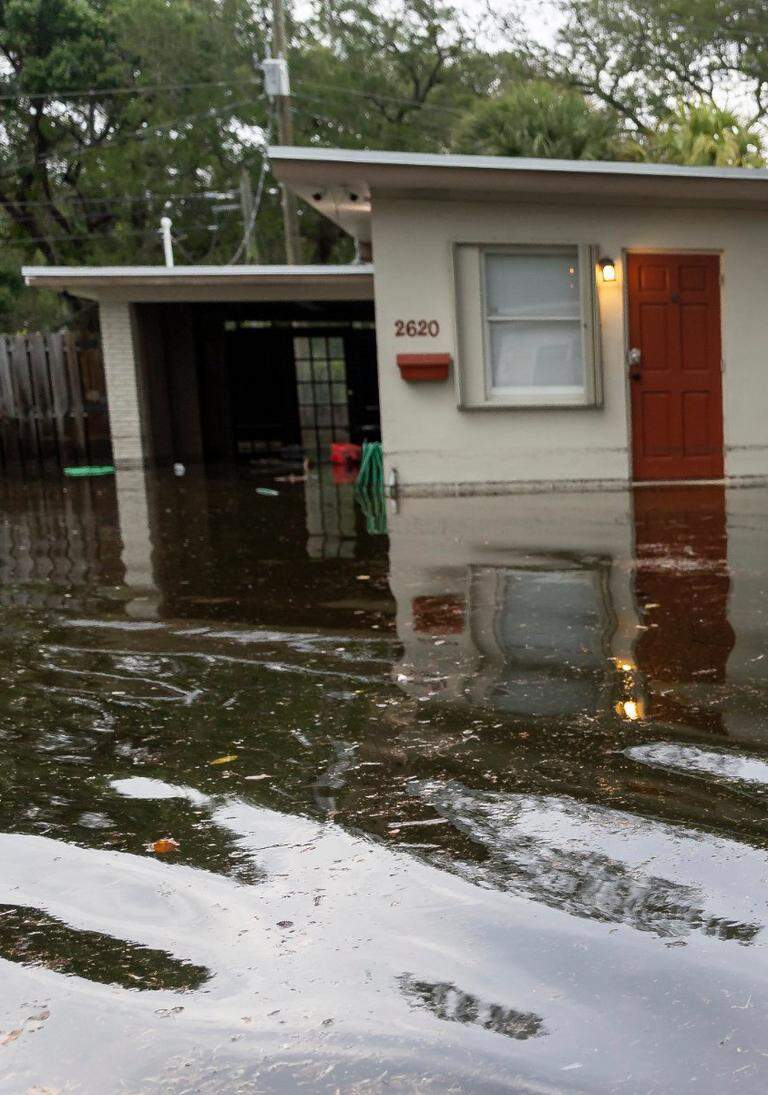
Why Flood Restoration Becomes Necessary in North Miami Beach During Humid Summer Months
Summer in North Miami Beach means heat, humidity, and afternoon storms that build fast and drop serious rain.
For homeowners and condo owners, the real issue isn’t just the rainfall. It’s what happens afterward. In a humid coastal city, floodwater doesn’t dry quickly. It lingers, spreads, and settles into materials that were never meant to stay wet.
That’s why flood restoration becomes necessary so often during the summer months in North Miami Beach. It’s not just about removing standing water. It’s about stabilizing moisture in an environment that refuses to cooperate.
Summer Humidity Changes Everything
North Miami Beach summers bring:
- Daily thunderstorms
- High dew points
- Heavy, wind-driven rain
- Elevated groundwater
- Constant AC usage
Humidity levels stay high even after storms pass. When floodwater enters a property, evaporation slows dramatically.
In dry climates, airflow may dry materials naturally. In coastal South Florida, moisture stays trapped inside:
- Drywall
- Insulation
- Subflooring
- Baseboards
- Cabinet interiors
Without proper restoration, that trapped moisture becomes the real problem.
Afternoon Storms and Sudden Water Intrusion
Summer storms build quickly over Biscayne Bay and move inland with intense rainfall.
Common summer flooding scenarios in North Miami Beach include:
- Water entering through sliding glass doors
- Drainage systems backing up
- Garage threshold overflow
- Balcony drainage failure in condos
- Street flooding pushing water toward foundations
Even a few inches of water can soak building materials within minutes.
Because storms happen frequently, some homeowners underestimate the damage.
But repeated minor flooding events often create cumulative moisture problems.
The Groundwater Factor
North Miami Beach sits near sea level, close to Biscayne Bay and surrounding canals.
During prolonged summer rain:
- Groundwater levels rise
- Slab foundations absorb moisture
- Crawlspaces become damp
- Flooring systems take on water
Even without visible flooding, moisture may migrate upward from below.
Surface dryness does not confirm slab dryness.
Moisture detection is often necessary to determine whether structural materials are still wet.
AC Systems and Summer Flooding
Air conditioning systems run almost constantly during summer.
Heavy humidity combined with flooding can lead to:
- Condensate drain clogs
- Air handler overflow
- Duct insulation dampness
- Increased indoor humidity
If HVAC systems are not inspected after flood events, damp air may circulate throughout the property.
Air duct cleaning and system inspection may become part of flood restoration.
Ignoring HVAC involvement often leads to lingering odor or mold.
Why Mold Risk Increases in Summer
Warm temperatures and high humidity create ideal mold conditions.
In North Miami Beach, mold can begin forming within 24–48 hours after materials become damp.
Summer flood events frequently lead to mold growth in:
- Wall cavities
- Carpet padding
- Closet interiors
- HVAC duct systems
- Under laminate flooring
Flood restoration during summer months focuses heavily on rapid drying to prevent mold remediation later.
Moisture control is always the primary goal.
Concrete Block Construction and Moisture Retention
Many homes and buildings in North Miami Beach use concrete block construction.
Concrete absorbs water and releases it slowly.
After flooding:
- Walls may feel dry at the surface
- Interior cavities may remain damp
- Insulation may stay saturated
Industrial dehumidifiers and air movers are often required to stabilize internal moisture levels.
Without professional drying, moisture may remain for days.
Why Extraction Alone Isn’t Enough
Removing standing water is only the first step.
Proper summer flood restoration includes:
- High-powered water extraction
- Removal of saturated materials
- Industrial dehumidification
- Air movement
- Moisture mapping
- Daily monitoring
In a humid climate, drying must be verified with moisture meters — not assumed.
Rebuilding before materials are fully dry often leads to recurring damage.
Salt Air and Corrosion
North Miami Beach’s coastal environment adds another layer of concern.
When floodwater combines with salt-heavy air:
- Corrosion accelerates
- Electrical components deteriorate
- Metal fasteners weaken
- Appliances become vulnerable
Prompt restoration reduces long-term corrosion risk.
Leaving materials damp in a salty, humid environment speeds up structural breakdown.
High-Rise Condo Considerations
North Miami Beach includes many high-rise condominiums.
During summer storms:
- Balcony drainage can overflow
- Upper-level leaks can affect lower units
- Shared plumbing stacks may back up
- Water can travel between units
Flood restoration in these buildings requires careful moisture detection to identify spread beyond visible areas.
Water rarely stays confined to one condo.
Why DIY Drying Fails in Summer
Homeowners sometimes rely on:
- Ceiling fans
- Open windows
- Portable dehumidifiers
In summer humidity, these methods rarely remove deep moisture.
Outdoor air is often just as humid as indoor air.
Professional-grade drying equipment creates controlled airflow and dehumidification that accelerates stabilization.
Without it, dampness may linger behind walls and beneath floors.
Signs Flood Restoration Is Necessary
After summer flooding in North Miami Beach, watch for:
- Persistent musty odors
- Soft drywall
- Warped flooring
- Baseboards separating
- Increased indoor humidity
- Visible staining spreading over time
If these signs appear, moisture may still be present inside structural materials.
Early restoration reduces repair scope.
Preventing Repeat Flood Issues
While summer storms are unavoidable, property owners can reduce risk by:
- Maintaining roof flashing
- Inspecting sliding door seals
- Cleaning balcony drains
- Servicing AC condensate lines
- Monitoring humidity levels
- Scheduling post-storm inspections
Homes in nearby Sunny Isles Beach, Aventura, and Bal Harbour face similar coastal challenges and benefit from routine preventive maintenance.
Why Local Experience Matters
Flood restoration in North Miami Beach requires understanding:
- Coastal humidity behavior
- Slab foundation moisture migration
- High-rise drainage systems
- Hurricane-season rainfall patterns
- Salt air corrosion
Professionals familiar with North Miami Beach and surrounding coastal communities know how water behaves in these structures.
Tip Top Water and Fire Damage Restoration approaches flood restoration with local expertise, focusing on complete moisture stabilization rather than surface-level cleanup.
Experience reduces recurrence and long-term structural issues.
A Practical Perspective for Summer Flooding
During humid summer months, flood restoration becomes necessary in North Miami Beach not because every storm causes major damage — but because moisture lingers longer than most people expect.
If water enters your property:
- Remove standing water immediately
- Conduct moisture detection
- Use industrial drying equipment
- Inspect HVAC systems
- Verify dryness before rebuilding
In coastal South Florida, humidity is relentless.
Flood restoration done properly prevents mold, corrosion, and repeat repairs.
The key is understanding that in summer, water doesn’t just evaporate.
It settles in — unless you remove it thoroughly.