
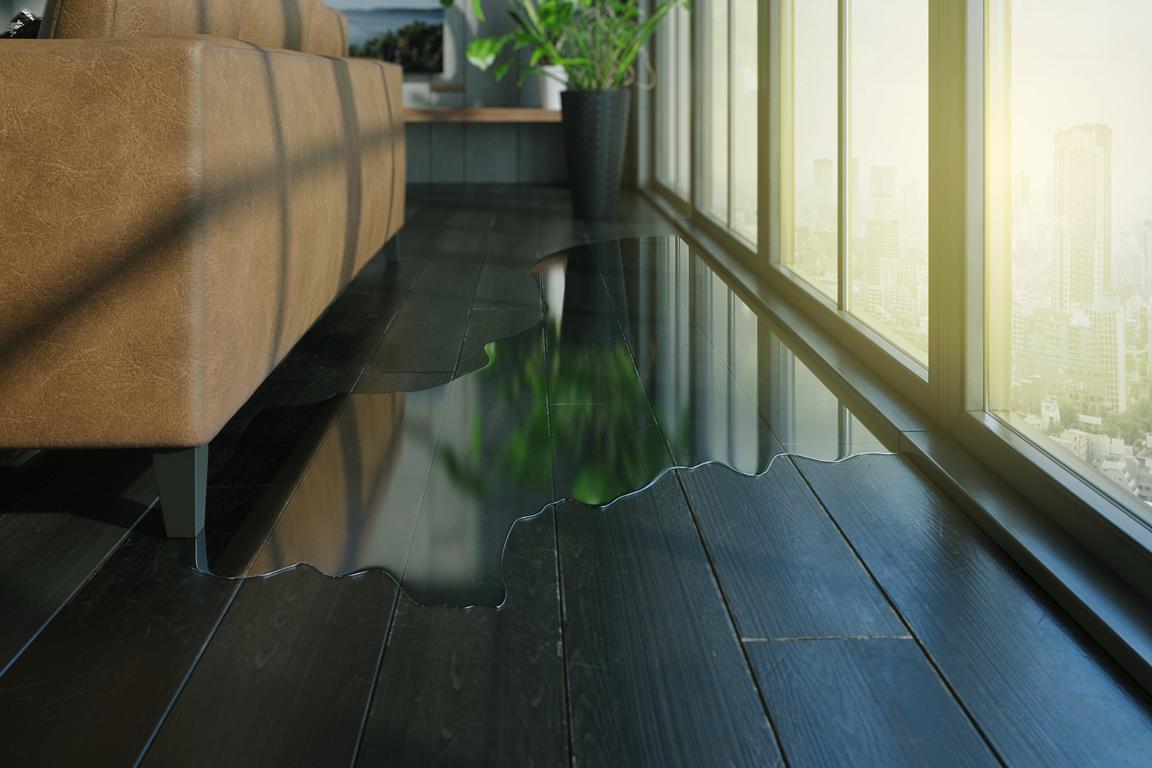
Why Flood Restoration Becomes Necessary in Surfside After Plumbing Failures
In Surfside, when people hear “flood restoration,” they usually think of hurricanes or storm surge.
But many of the most serious water damage cases here don’t start with weather. They start behind a wall. Under a sink. Inside a slab. In a plumbing line that failed quietly.
In a coastal community like Surfside — where humidity is high, buildings are tightly sealed, and moisture lingers — a plumbing failure can quickly turn into a full flood restoration project.
Here’s why.
Plumbing Failures Spread Faster Than You Expect
Water from a broken supply line, failed shutoff valve, or cracked drain pipe doesn’t stay contained.
It moves:
- Under flooring
- Into drywall cavities
- Along baseboards
- Down into lower levels
- Into shared walls in condos
- Beneath tile and laminate
In multi-story buildings common in Surfside and nearby Sunny Isles Beach, water can travel vertically into neighboring units.
What looks like a localized leak often becomes a building-wide issue within hours.
Surfside’s Coastal Climate Makes It Worse
Coastal South Florida changes how water behaves indoors.
Surfside properties face:
- High year-round humidity
- Salt-heavy air exposure
- Elevated groundwater levels
- Concrete slab foundations
- Hurricane-season weather patterns
Because the surrounding air is already humid, evaporation happens slowly.
In dry climates, a minor leak might air-dry. In Surfside, that same leak can remain trapped inside materials long enough to trigger mold growth.
Slab Foundations and Hidden Saturation
Many homes and low-rise buildings in Surfside sit on slab foundations.
When plumbing lines under the slab leak:
- Moisture seeps upward
- Flooring becomes damp
- Tile adhesives weaken
- Wood floors cup or warp
- Musty odors develop
Surface drying won’t solve this.
Moisture detection tools are required to determine how far water has migrated beneath flooring systems.
Without professional drying, slab moisture lingers — and mold often follows.
High-Rise Plumbing Risks
In high-rise condos near the ocean, plumbing failures carry additional risks.
Water from:
- Washing machine supply lines
- Dishwasher connections
- Toilet overflows
- Burst interior pipes
- HVAC drain pan failures
… can spread quickly through vertical wall cavities and shared plumbing stacks.
In these buildings, flood restoration is often necessary not just for one unit, but for multiple.
Containment and rapid drying prevent structural damage to neighboring units.
Why Water Extraction Alone Isn’t Enough
Many homeowners attempt to mop up visible water and assume the issue is handled.
But plumbing failures usually saturate:
- Carpet padding
- Subflooring
- Drywall insulation
- Baseboards
- Cabinet interiors
Water extraction removes surface water.
Flood restoration addresses the structural saturation underneath.
Without dehumidification and air movement, trapped moisture remains inside materials.
In Surfside’s humidity, that moisture does not resolve on its own.
The 24–48 Hour Mold Window
In South Florida, mold can begin forming within 24 to 48 hours after materials become wet.
Because Surfside experiences consistently high humidity, that timeline can accelerate.
If plumbing failures are not addressed immediately, flood restoration often transitions into mold remediation.
Early response reduces that risk significantly.
Salt Air and Material Breakdown
Salt-heavy coastal air adds another complication.
When moisture combines with salt exposure:
- Corrosion accelerates
- Metal fasteners deteriorate
- Electrical components become vulnerable
- Building materials break down faster
After a plumbing failure, this environmental factor can worsen structural damage if restoration is delayed.
HVAC Systems and Secondary Damage
Water from plumbing leaks can reach HVAC systems.
Moisture entering:
- Air handler closets
- Duct insulation
- Return vents
… may allow contamination to spread through the system.
Air duct cleaning is often necessary after significant plumbing-related flooding to prevent indoor air quality issues.
Ignoring this step can result in lingering odors and microbial growth.
What Proper Flood Restoration Includes
In Surfside, flood restoration after plumbing failure typically involves:
- Immediate water extraction
- Moisture detection using meters and thermal imaging
- Removal of saturated materials
- Industrial dehumidification
- Air movement
- Monitoring moisture levels daily
- Structural drying verification
In some cases, damaged drywall or flooring must be removed to prevent long-term deterioration.
The goal is complete stabilization — not cosmetic repair.
Common Plumbing Failures in Surfside Properties
Frequent causes include:
- Aging copper pipes
- Corroded fittings from salt exposure
- Faulty shutoff valves
- Appliance hose failures
- AC condensate drain clogs
- Slab leaks
Older properties in nearby Miami Shores and Biscayne Park often face similar plumbing risks due to aging infrastructure.
Preventive inspections reduce the likelihood of sudden failures.
Prevention Tips for Property Owners
You can reduce the risk of major flood restoration by:
- Inspecting supply lines annually
- Replacing old washing machine hoses
- Monitoring water pressure
- Maintaining AC drain lines
- Installing leak detection devices
- Addressing minor leaks immediately
In coastal properties, proactive plumbing maintenance is critical.
Small leaks rarely stay small in Surfside’s climate.
Why Local Experience Matters
Flood restoration in Surfside is not the same as restoration inland.
Professionals must understand:
- Coastal humidity behavior
- High-rise plumbing systems
- Slab foundation moisture migration
- Salt air corrosion patterns
- Hurricane-driven pressure changes
Tip Top Water and Fire Damage Restoration works regularly in Surfside, North Miami Beach, and Sunny Isles Beach. That local knowledge allows faster identification of moisture spread patterns specific to coastal construction.
Experience matters when water spreads through concrete and humidity slows drying.
A Practical, Calm Response
If a plumbing failure occurs in your Surfside property, don’t rely on surface cleanup alone.
Act quickly. Extract water immediately. Measure hidden moisture. Dry structural materials completely.
Flood restoration isn’t only for hurricanes.
In coastal South Florida, a burst pipe can create the same structural risks as a storm — especially when humidity prevents natural drying.
The faster you stabilize moisture, the less likely you are to face mold remediation or long-term structural repair.
In Surfside, prevention begins the moment water is discovered.