Why Indoor Air Quality Improvement Becomes Necessary in Bayfront Homes in North Miami After Heavy Rain
North Miami’s bayfront homes offer stunning views and luxurious living, but they also face unique environmental challenges. One of the most critical, yet often overlooked, concerns after heavy rainfall is indoor air quality (IAQ). Coastal flooding, high humidity, and moisture intrusion can combine to create conditions that compromise both comfort and safety inside bayfront properties.
Across North Miami, North Miami Beach, Sunny Isles Beach, Aventura, Miami Shores, Surfside, Biscayne Park, and nearby coastal neighborhoods, homeowners frequently underestimate how quickly moisture can impact IAQ. Even when water is removed promptly, residual dampness, HVAC contamination, and hidden mold growth can linger, reducing air quality and potentially causing property damage if left unaddressed.
Understanding why indoor air quality improvement becomes necessary after heavy rain helps homeowners, landlords, and property managers protect their properties and maintain a safe, comfortable environment for occupants.
How Heavy Rain Affects Indoor Environments in Bayfront Homes
Bayfront homes in North Miami are particularly vulnerable to water intrusion due to their proximity to Biscayne Bay. During heavy rain or storm events, water can enter through:
- Window and door seals: Coastal homes often have large glass expanses to maximize views, but if seals are compromised, rainwater can seep in.
- Roof and flashing leaks: Flat or low-slope roofs, common in South Florida, can allow water intrusion if drainage is inadequate.
- Groundwater seepage: Slab foundations may allow water to enter at floor level, especially when drainage is poor or during high tides combined with rainfall.
- HVAC intake vents: Outdoor air intakes may pull in humid air or even water if storm conditions are extreme.
Even minor water intrusion can increase indoor humidity, which can lead to damp surfaces, condensation on windows, and potential microbial growth.
Why Indoor Air Quality Deteriorates After Rain Events
Several factors contribute to IAQ degradation after heavy rainfall in bayfront homes:
1. Elevated Humidity
South Florida’s climate is naturally humid, and heavy rain events temporarily spike indoor humidity even further. High humidity slows the drying of floors, carpets, and furnishings, creating conditions favorable for mold, mildew, and dust mite proliferation.
2. Microbial Growth
Residual moisture on walls, ceilings, or inside HVAC systems can become a breeding ground for mold and bacteria. Spores can circulate through ductwork, contributing to musty odors and poor air quality.
3. Contaminated Surfaces
Water can carry salts, organic debris, and pollutants into homes. Surfaces that remain damp can harbor microbial contaminants, which may release into the air over time.
4. HVAC System Impacts
Air conditioning systems, which run nearly year-round in coastal Florida, can unintentionally spread moisture and spores if the system has leaks, clogged condensate lines, or contaminated ductwork.
Common Signs That IAQ Is Compromised
Homeowners in North Miami may notice early indications of degraded air quality after rain:
- Musty or stale odors throughout the home
- Increased condensation on windows and walls
- Visible mold spots on walls, ceilings, or baseboards
- Elevated indoor humidity, often felt on floors or furniture
- Dust or debris blowing from vents
- Occupants experiencing mild respiratory irritation, sneezing, or allergy-like symptoms
Even if visible signs are minimal, hidden moisture behind walls or inside ductwork can silently affect air quality.
Real-World Observations from Bayfront Properties
Experience with North Miami bayfront homes reveals several recurring patterns:
- Rapid Moisture Penetration: Water from heavy rains can saturate wall cavities or flooring within hours. Carpet and padding often remain damp for days if not addressed promptly.
- Duct Contamination: HVAC systems in multi-story bayfront homes may accumulate moisture in ductwork, dispersing microbial particles throughout living areas.
- Hidden Mold Development: Mold often forms behind cabinetry, under carpets, or in attic insulation — locations not visible during routine inspections.
- High Humidity After Rain: Even after standing water is removed, indoor humidity can remain elevated for several days, creating an ideal environment for microbial growth.
These observations highlight why proactive indoor air quality management is necessary after every significant rainfall event.
Why DIY Air Quality Measures Are Insufficient
Some homeowners attempt to address IAQ issues with temporary measures such as:
- Running fans or portable dehumidifiers
- Wiping visible surfaces
- Spraying air fresheners to mask odors
While these actions may provide temporary relief, they do not:
- Remove hidden moisture behind walls or under flooring
- Address microbial contamination in ductwork
- Stabilize indoor humidity to safe levels
- Prevent secondary damage such as mold growth
Professional indoor air quality improvement is required to ensure comprehensive remediation.
The Professional IAQ Improvement Process
Effective IAQ restoration in bayfront homes after heavy rain includes several steps:
1. Moisture Assessment
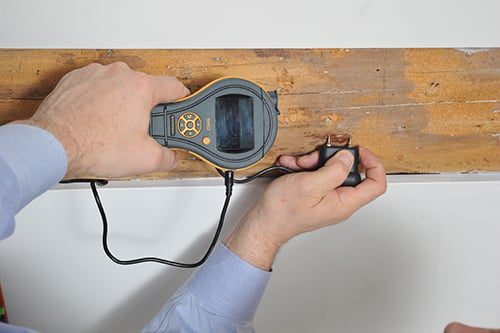
Technicians use moisture meters and thermal imaging to detect wet areas in walls, ceilings, subfloors, and HVAC components.
2. Air and Surface Testing
If microbial growth is suspected, samples are collected to identify contaminants. This ensures targeted remediation rather than guesswork.
3. Drying and Dehumidification
High-capacity dehumidifiers and air movers stabilize indoor humidity, preventing mold and mildew growth. Proper airflow management ensures even drying throughout the home.
4. HVAC Inspection and Cleaning
Air ducts, vents, and condensate lines are inspected for moisture or debris accumulation. Contaminated components are cleaned or sanitized to prevent ongoing IAQ issues.
5. Cleaning and Sanitizing Surfaces
Surfaces affected by water intrusion are professionally cleaned to remove residual contaminants. Specialized treatments may be applied to inhibit microbial growth.
6. Verification
Post-restoration testing confirms that moisture levels are stable, contaminants are addressed, and indoor air quality has been improved.
Long-Term IAQ Protection Strategies
Bayfront homes in North Miami benefit from proactive maintenance to prevent IAQ problems:
- Regular HVAC inspections and duct cleaning
- Condensate line maintenance and overflow protection
- Monitoring indoor humidity with dehumidifiers when necessary
- Prompt repair of window, door, and roof seals
- Post-storm inspections to identify hidden moisture quickly
By integrating these strategies, homeowners can reduce the likelihood of mold growth, odors, and structural damage.
Local Expertise Matters
North Miami’s coastal environment presents challenges not seen in inland areas. High humidity, salt-laden air, slab foundations, and multi-story bayfront properties require knowledge specific to the region.
Tip Top Water and Fire Damage Restoration has extensive experience working in North Miami, North Miami Beach, Sunny Isles Beach, Aventura, and surrounding coastal communities. Our local expertise allows us to:
- Identify hidden moisture sources quickly
- Understand patterns of water intrusion unique to bayfront properties
- Implement targeted IAQ improvement strategies
- Prevent secondary damage such as mold growth or structural compromise
Local knowledge ensures restoration efforts are both effective and sustainable.
Moving Forward After Heavy Rain
Indoor air quality in bayfront homes should be addressed proactively after heavy rain events. Even when visible water is removed, residual moisture and potential microbial contamination can linger.
By investing in professional assessment, targeted remediation, and long-term monitoring, property owners protect:
- Occupant comfort and safety
- Structural integrity
- HVAC system performance
- Long-term property value
In North Miami and neighboring coastal communities, proactive IAQ management is not just a precaution — it is essential for maintaining a safe, comfortable, and healthy living environment after every significant rain event.