
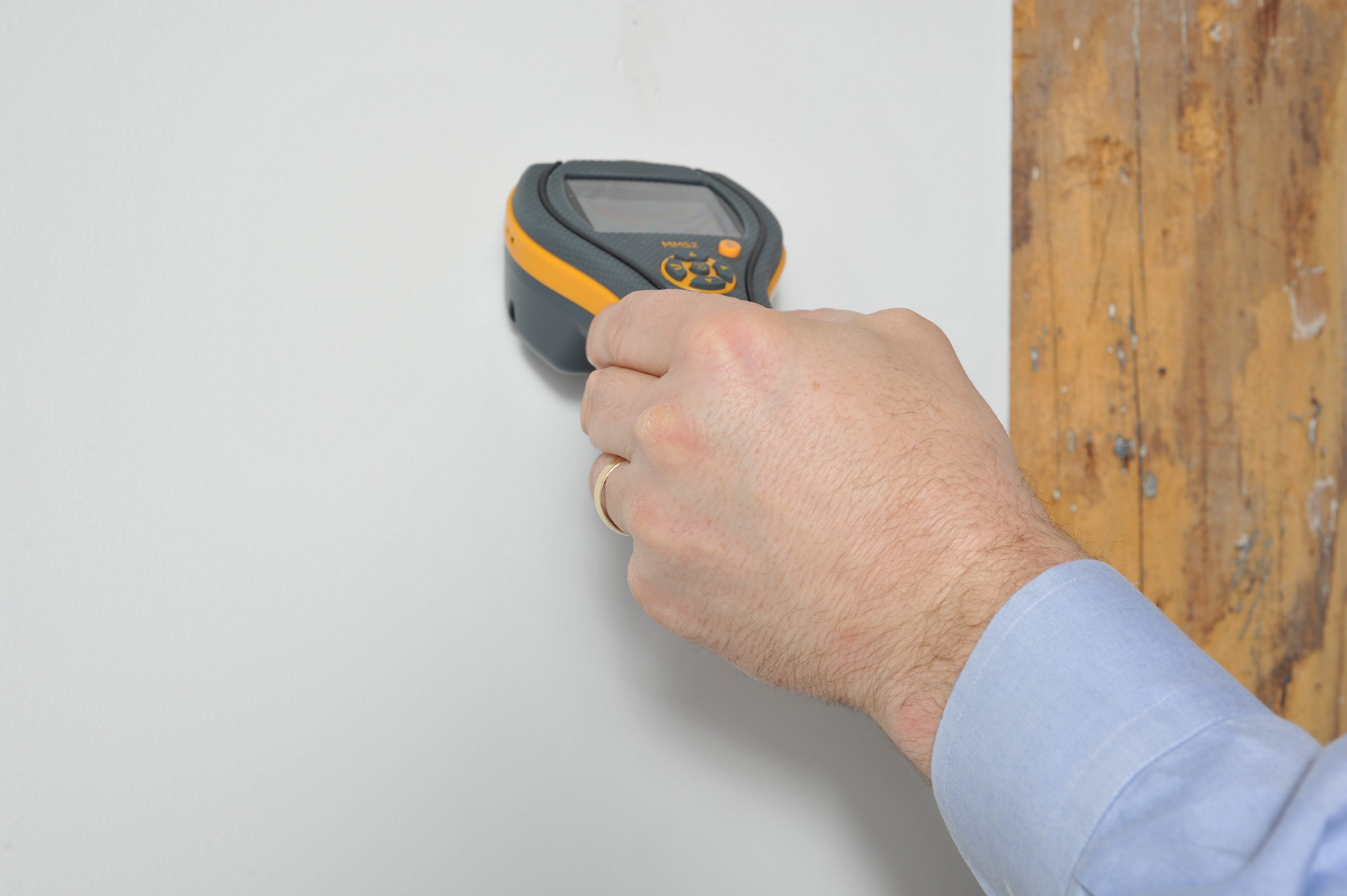
Why Moisture Detection Becomes Necessary in Miami Shores After Roof Leaks
In Miami Shores, a roof leak is rarely just a roof problem.
What starts as a small drip during a summer storm can quietly spread into insulation, drywall, framing, and even flooring below. And because South Florida’s humidity slows natural drying, moisture often lingers long after the visible stain fades.
That’s why moisture detection becomes essential after roof leaks in Miami Shores. It’s not about overreacting — it’s about confirming what you can’t see.
For homeowners and property managers in this historic coastal neighborhood, understanding why detection matters can prevent mold growth, structural damage, and repeated repairs.
Roof Leaks in Miami Shores Are Common
Miami Shores homes often feature:
- Tile roofs
- Aging flashing
- Concrete block construction
- Slab foundations
- Older attic ventilation systems
Combine that with:
- Hurricane season storms
- Wind-driven rain
- Heavy summer downpours
- Salt-heavy coastal air
…and roof systems face constant stress.
Even well-maintained roofs can develop small vulnerabilities over time. A cracked tile, deteriorated underlayment, or flashing gap can allow water intrusion.
The visible ceiling stain is usually the last sign — not the first.
Why Surface Drying Isn’t Enough
One of the biggest misconceptions after a roof leak is assuming that once the ceiling looks dry, the problem is resolved.
In Miami Shores’ humid climate, water may remain inside:
- Attic insulation
- Roof sheathing
- Ceiling joists
- Wall cavities
- Light fixture wiring
- Duct insulation
Because humidity remains high year-round, evaporation happens slowly.
Moisture detection tools confirm whether materials are actually dry — not just visually dry.
Attic Spaces: The Hidden Moisture Trap
Roof leaks almost always affect attic spaces first.
Water can soak:
- Fiberglass insulation
- Roof decking
- Framing members
- Electrical wiring
Wet insulation loses its effectiveness and may trap moisture against wood framing.
If left untreated, this can lead to:
- Wood rot
- Mold growth
- Electrical hazards
- Odor issues
Attic inspection with moisture meters and thermal imaging is critical after roof leaks.
Without it, damage may continue silently above your ceiling.
Wind-Driven Rain and Sidewall Intrusion
In Miami Shores, storms don’t just drop rain vertically.
Wind-driven rain can push water into:
- Roof-to-wall intersections
- Soffits
- Exterior wall penetrations
- Window flashing
Moisture may enter sideways and travel inside wall cavities before dripping downward.
In these cases, ceiling stains don’t always appear immediately.
Moisture detection identifies hidden damp areas before they create larger issues.
The Mold Risk in Coastal Humidity
South Florida’s humidity creates ideal conditions for mold.
If building materials remain damp for 24–48 hours, mold growth becomes likely.
After roof leaks, mold often develops in:
- Attic insulation
- Ceiling drywall
- Wall cavities
- Around recessed lighting
- HVAC duct insulation
By the time musty odors appear, growth may already be established.
Moisture detection reduces the likelihood of needing full mold remediation.
Electrical System Concerns
Roof leaks in older Miami Shores homes sometimes reach electrical components.
Moisture contacting:
- Junction boxes
- Light fixtures
- Wiring connections
… can create corrosion or short circuits.
Even if no fire risk is immediately present, moisture exposure weakens wiring insulation over time.
Inspection and moisture detection help determine whether electrical evaluation is necessary.
Slab and Wall Migration
Water from roof leaks doesn’t always stay at the top of the structure.
It can travel down framing and reach:
- Baseboards
- Subflooring
- Slab foundations
- Interior wall insulation
In slab-based homes common in Miami Shores, moisture can migrate into flooring systems.
Without moisture detection, hidden dampness may remain beneath new drywall or paint.
That often leads to repeat damage months later.
Why DIY Checks Fall Short
Homeowners often rely on touch and sight to assess damage.
But without proper tools, it’s nearly impossible to determine:
- Moisture levels inside drywall
- Dampness beneath flooring
- Saturation inside insulation
- Elevated humidity inside cavities
Professional moisture detection may include:
- Pin and non-invasive moisture meters
- Thermal imaging cameras
- Hygrometers
- Slab probes
These tools provide measurable confirmation that materials are dry.
Guesswork is not reliable in a humid coastal climate.
The Long-Term Structural Impact
If moisture remains undetected after a roof leak, long-term consequences may include:
- Mold growth
- Wood rot
- Insulation deterioration
- Ceiling collapse risk
- Persistent odors
- Repeated staining
In Miami Shores, where many homes are decades old, preserving structural framing is especially important.
Early moisture detection protects long-term stability.
Post-Storm Inspections Are Critical
After hurricane-season storms or heavy rain events, even if you don’t see obvious damage, inspection is wise.
Wind-driven rain can cause subtle intrusion that:
- Dries unevenly
- Remains trapped in insulation
- Migrates through framing
- Weakens roofing components
Routine post-storm moisture detection prevents slow deterioration.
In nearby areas like North Miami and Biscayne Park, many water damage cases begin with minor roof leaks that were initially ignored.
Why Local Experience Matters
Moisture detection in Miami Shores requires understanding:
- Concrete block construction
- Tile roof vulnerabilities
- Coastal humidity behavior
- Slab foundation moisture migration
- Hurricane wind patterns
Professionals familiar with Miami Shores know where roof leaks typically spread in these homes.
Tip Top Water and Fire Damage Restoration approaches moisture detection with local insight, focusing on structural stabilization rather than surface repair.
Experience helps identify hidden risks quickly.
A Practical Approach for Homeowners
If your Miami Shores home experiences a roof leak, don’t rely on visual drying alone.
Take these steps:
- Repair the roof source immediately
- Inspect the attic thoroughly
- Use moisture detection tools to confirm dryness
- Monitor humidity levels
- Address damp insulation or drywall promptly
Moisture detection is not excessive — it’s preventive.
In South Florida’s humid coastal climate, unseen moisture causes more damage than visible leaks.
Act early. Confirm dryness. Stabilize the structure.
That approach protects your home from mold, rot, and long-term structural deterioration — even after what seems like a minor roof issue.