Why Mold Remediation Becomes Necessary in Biscayne Park When Humidity Stays High for Weeks
Biscayne Park, Florida, is a picturesque coastal community known for its tree-lined streets, waterfront proximity, and historic homes. While the area offers residents a serene living environment, the local climate also poses unique challenges for property maintenance. One of the most significant issues is high humidity, particularly when it persists for weeks. Extended periods of elevated humidity create ideal conditions for mold growth, which can affect structural integrity, indoor air quality, and long-term property value.
For homeowners, landlords, and property managers, understanding why mold remediation becomes necessary in these conditions is essential. This guide explains the science behind mold growth, the real-world impact on local properties, the steps involved in professional remediation, and strategies for preventing future issues in Biscayne Park homes.
Understanding Mold and Its Relationship to Humidity
Mold is a type of fungus that thrives in environments with moisture, warmth, and organic materials to feed on. In Biscayne Park, high humidity is a year-round concern, but when levels remain elevated for extended periods—such as during consecutive rainy weeks or persistent coastal moisture—the risk of mold infestation increases significantly.
Mold can grow on various surfaces, including:
- Drywall and insulation
- Wooden framing and baseboards
- Carpets, rugs, and upholstered furniture
- HVAC systems and ductwork
- Ceilings, walls, and attics
Even if a home does not experience visible water intrusion, high humidity alone can condense on surfaces, creating damp conditions suitable for mold colonization.
Why Extended Humidity Is Particularly Problematic
Short-term humidity spikes may not cause significant mold growth if indoor spaces are well-ventilated and AC systems are functioning properly. However, when high humidity persists for weeks:
- Surface Moisture Accumulates – Windows, walls, ceilings, and floors can develop condensation that saturates building materials.
- Hidden Moisture Develops – Behind walls, under floors, and inside insulation, damp pockets form that are difficult to detect.
- HVAC Systems Become Contaminated – Prolonged moisture in AC units or ductwork can spread mold spores throughout the home.
- Microbial Growth Accelerates – Extended humidity supports the rapid reproduction of mold spores, increasing the infestation’s scale and complexity.
In North Miami–area climates like Biscayne Park, homes are especially vulnerable because coastal humidity combines with seasonal rains and high temperatures to maintain elevated moisture levels indoors.
Real-World Observations in Biscayne Park Homes
Local experience shows several common scenarios where extended humidity leads to mold problems:
1. Attics and Crawl Spaces
Attics and crawl spaces in Biscayne Park often lack proper ventilation. During prolonged humid periods, these spaces trap moisture, allowing mold to develop on wood beams, insulation, and subfloors.
2. AC and HVAC Systems
Air conditioning units are critical for reducing indoor humidity. However, during extended humid weeks, AC units can become overwhelmed, leading to condensation buildup in drip pans and ductwork. Mold spores can grow in these hidden areas and spread through airflow.
3. Historic Homes
Many homes in Biscayne Park feature older construction materials that absorb moisture more readily than modern materials. Wooden framing, plaster walls, and porous insulation are all susceptible to mold growth during persistent humidity.
4. Rental Properties
Delayed reporting of odors or water accumulation in tenant-occupied properties can allow mold to develop unnoticed. Prolonged humidity exacerbates this problem, leading to more extensive remediation needs.
5. Surface Contamination
High humidity over time can produce visible mold on ceilings, walls, and flooring, often accompanied by musty odors. Homeowners may first notice these issues when they become severe, highlighting the need for early detection and professional remediation.
Common Signs That Mold Remediation Is Needed
Homeowners and property managers should be alert to indicators that prolonged humidity has caused mold growth:
- Visible Mold – Black, green, or white patches on walls, ceilings, floors, or baseboards.
- Musty Odors – Lingering earthy or damp smells in rooms or storage areas.
- Water Stains or Discoloration – Yellow, brown, or dark streaks that indicate persistent moisture.
- Warped Flooring or Walls – Soft or spongy surfaces may signal underlying mold growth.
- Health Symptoms – Increased allergies, coughing, or respiratory irritation among occupants.
- HVAC Contamination – Mold detected in air vents or ducts, leading to widespread spore circulation.
Early recognition of these signs is critical to initiating professional remediation and preventing further property damage.
The Mold Remediation Process in Biscayne Park
Professional mold remediation is a structured process designed to remove mold safely and thoroughly while addressing the root causes of growth.
1. Comprehensive Inspection
Technicians inspect the property to identify visible and hidden mold, moisture sources, and areas at risk. Attics, crawl spaces, HVAC systems, and insulation are common inspection points.
2. Containment
Affected areas are sealed to prevent spores from spreading during remediation. Negative air pressure systems are often used to maintain containment.
3. Moisture Detection and Mitigation
Moisture meters and thermal imaging cameras detect hidden dampness. Technicians address leaks, AC condensation, or ventilation issues to prevent recurrence.
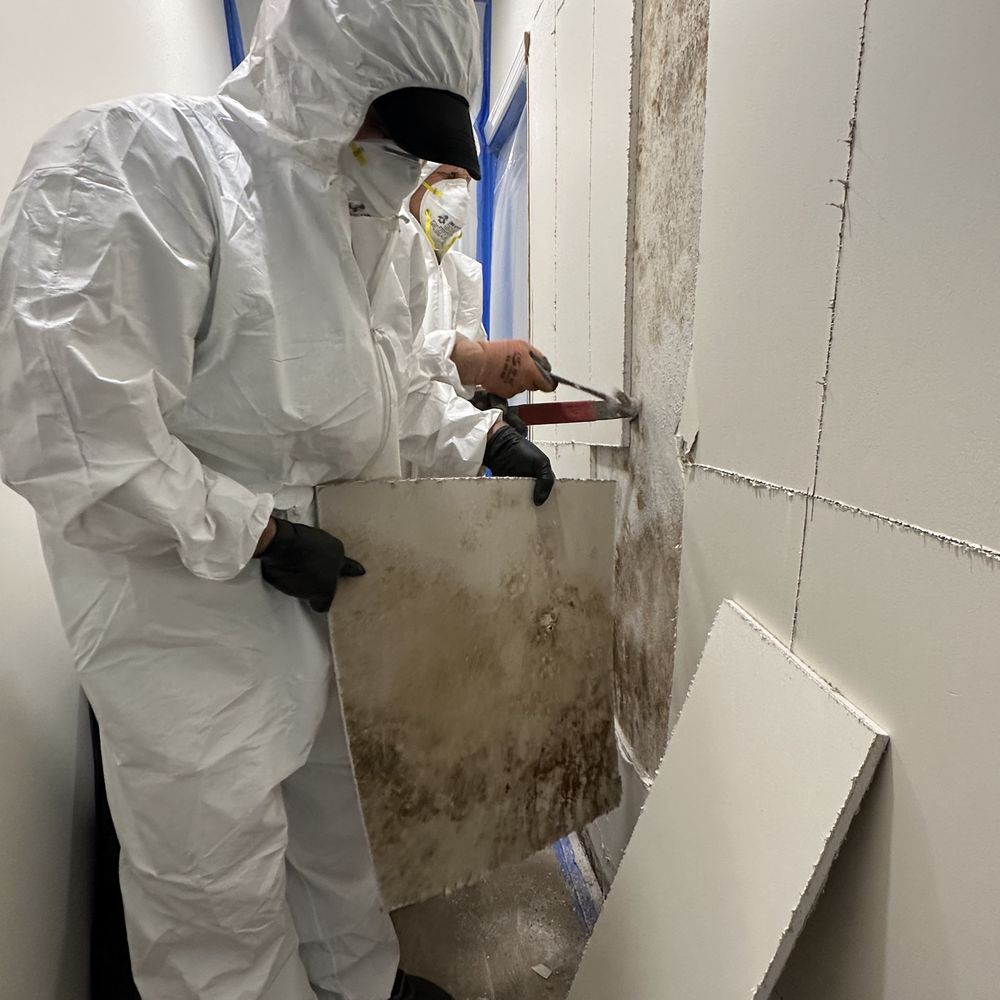
4. Removal of Contaminated Materials
Porous materials such as drywall, insulation, and carpeting that cannot be fully sanitized are safely removed and disposed of.
5. Cleaning and Sanitization
Non-porous surfaces are cleaned with antimicrobial agents. HEPA vacuums and air scrubbers remove airborne spores and prevent contamination of unaffected areas.
6. HVAC and Duct Cleaning
Ductwork and AC components are cleaned to remove mold and moisture that may circulate spores throughout the property.
7. Drying and Dehumidification
Industrial air movers and dehumidifiers thoroughly dry all affected areas to reduce the risk of mold returning.
8. Final Inspection
A post-remediation inspection confirms that mold has been removed and indoor air quality has been restored.
Challenges of Mold Remediation During Extended Humidity
Extended humidity in Biscayne Park presents specific challenges for remediation:
- Hidden Growth – Mold often develops in concealed areas such as behind walls, under floors, and inside ductwork.
- Rapid Spread – Persistent moisture allows mold to proliferate quickly, increasing the affected area.
- Multi-Level Homes – Condensation in attics, ceilings, and upper floors can create complex remediation scenarios.
- Coastal Salt-Air Effects – Salt accelerates corrosion of AC components and metal building materials, complicating moisture management.
- Tenant Awareness – Delays in reporting in rental properties allow mold to develop unnoticed, requiring more extensive remediation.
Professional remediation is essential to overcome these challenges and ensure long-term protection.
Preventive Strategies for Homeowners and Property Managers
After mold remediation, long-term prevention is critical, particularly in a coastal community like Biscayne Park:
- Regular Mold Inspections – Schedule inspections after extended humid periods or storms.
- Humidity Control – Use dehumidifiers and monitor indoor humidity, maintaining levels below 60%.
- Proper Ventilation – Ensure attics, crawl spaces, bathrooms, and kitchens are well-ventilated.
- AC Maintenance – Regularly clean and service AC units and ducts to prevent condensation buildup.
- Immediate Water Damage Response – Repair leaks, flooding, or condensation promptly.
- Surface Protection – Use sealants and moisture-resistant materials in high-risk areas.
- Tenant Education – In rental properties, encourage tenants to report odors or visible moisture early.
Proactive maintenance, combined with professional remediation, reduces the risk of recurring mold issues and protects property value.
Local Expertise Matters
Mold remediation in Biscayne Park requires knowledge of local climate and property types:
- Understanding coastal humidity patterns and seasonal storms
- Identifying moisture-prone areas in historic and multi-level homes
- Addressing hidden mold in attics, crawl spaces, and HVAC systems
- Coordinating mold remediation with water damage repair and long-term prevention strategies
Tip Top Water and Fire Damage Restoration has extensive experience serving Biscayne Park, North Miami, Sunny Isles Beach, Bal Harbour, Aventura, Miami Shores, and Surfside. Their local expertise ensures mold remediation is thorough, safe, and tailored to the challenges of coastal properties.
Moving Forward
Homeowners, landlords, and property managers in Biscayne Park should consider mold remediation a necessary step when humidity persists for weeks:
- Schedule professional inspections and remediation at the first signs of mold or water intrusion.
- Address leaks, AC condensation, and water damage promptly.
- Maintain HVAC systems and monitor indoor humidity levels consistently.
- Implement preventive measures to reduce the likelihood of future mold growth.
- Keep records of remediation, inspections, and maintenance to support long-term property management.
By combining professional mold remediation with proactive maintenance, Biscayne Park homes remain safe, structurally sound, and healthy for occupants, while preserving property value.