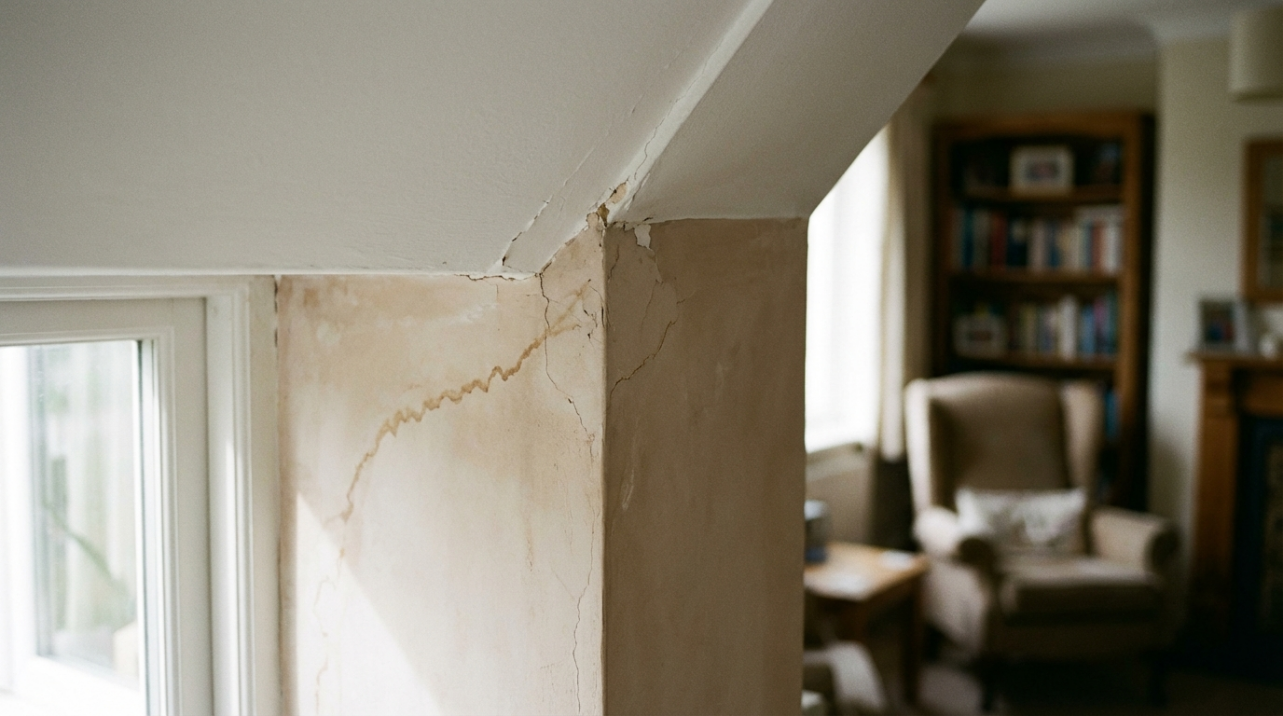
Why Mold Removal Becomes Necessary in Miami Shores After Storm Surge
Storm surge is different from a typical rainstorm. It’s heavier, slower, and far more invasive. Instead of water simply falling from above and draining away, surge water pushes inward from streets, yards, canals, and low-lying areas, creeping into homes through doors, foundations, vents, and tiny structural gaps.
In Miami Shores, where many properties sit close to Biscayne Bay and ground elevations vary block by block, storm surge can affect homes that never considered themselves flood-prone. Even a few inches of standing water or prolonged saturation can leave behind hidden moisture deep inside walls, floors, and HVAC systems.
Days later, after everything looks dry, a musty smell appears. Baseboards swell. Paint bubbles. Allergy symptoms worsen indoors. That’s usually when homeowners realize something else has started growing.
That “something” is mold.
And in Miami Shores, mold removal after storm surge isn’t unusual — it’s often necessary.
Understanding why surge-related mold happens, how it spreads, and what proper removal actually involves helps homeowners act early and avoid long-term structural and indoor air problems.
What Mold After Storm Surge Really Is
Mold spores exist naturally in the air at all times. Under normal dry conditions, they remain inactive. But when moisture is introduced, those spores attach to surfaces and begin colonizing.
Storm surge creates the perfect conditions:
- Water intrusion
- Warm temperatures
- High humidity
- Organic building materials
Drywall, wood framing, insulation, carpet backing, and dust all become food sources.
Once materials stay wet for 24–48 hours, mold growth can begin. In Miami’s warm climate, growth accelerates quickly.
The key issue is this: even when floors look dry, moisture often remains trapped inside structural cavities. Mold grows where you can’t see it first.
Why Storm Surge Causes More Mold Than Regular Rain
Homeowners often ask why a surge event causes bigger problems than heavy rain.
The difference comes down to how water behaves.
Rainfall
Water hits the roof and drains away quickly.
Storm surge
Water pushes laterally and slowly, soaking materials from below.
That sideways saturation is harder to detect and harder to dry.
Surge water also:
- Seeps under flooring
- Enters through foundation cracks
- Saturates insulation
- Pools inside wall cavities
- Stays trapped longer
Longer exposure equals higher mold risk.
Why Miami Shores Homes Are Especially Vulnerable
Several local factors make properties in Miami Shores more susceptible after surge events.
Coastal air moisture
Even without flooding, humidity is already high. Drying happens slower.
Slab-on-grade foundations
Many homes sit directly on concrete slabs, allowing moisture to migrate upward into flooring.
Older construction
Aging seals, flashing, and plumbing systems allow easier intrusion.
Tree cover and shade
Reduced sunlight slows evaporation.
Year-round AC use
Cold surfaces create condensation that compounds existing moisture.
Low-lying streets
Certain blocks experience minor street flooding during storms, increasing the chance of intrusion.
These combined conditions mean water lingers longer here than in drier inland areas.
What Homeowners Typically Notice First
After a surge, obvious flooding isn’t always the main issue. Often, the early clues are subtle.
Common signs include:
- A persistent musty odor
- Damp or soft drywall
- Warped baseboards
- Peeling paint
- Buckling laminate or wood floors
- Carpet that never fully dries
- Increased indoor humidity
- Condensation on vents
- Allergy-like symptoms indoors
By the time these appear, mold may already be growing behind surfaces.
Hidden Areas Where Mold Develops After Surge
In Miami Shores homes, mold commonly forms in places people rarely check.
Behind drywall
Water wicks upward inside walls, soaking insulation.
Under flooring
Moisture becomes trapped under laminate, tile underlayment, or carpet padding.
Inside cabinets
Kitchen and bathroom vanities hold moisture after minor flooding.
Attics and crawl spaces
High humidity and poor airflow slow drying.
HVAC systems
Ducts pull in moist air and distribute spores throughout the home.
Baseboards and trim
These absorb water and hide growth behind them.
Surface cleaning alone misses these hidden pockets.
Why DIY Mold Cleanup Usually Fails
After storm surge, many homeowners try to handle cleanup themselves.
Common steps include:
- Mopping floors
- Running fans
- Using bleach on visible spots
- Repainting stained areas
While helpful for appearance, these methods rarely solve the real issue.
Here’s why:
- Bleach doesn’t penetrate porous materials
- Fans don’t remove moisture trapped inside walls
- Hidden growth remains untouched
- Spores spread during scrubbing
- Damp insulation stays contaminated
Mold often returns within weeks.
True removal requires both physical remediation and structural drying.
Professional Mold Inspection & Testing Explained
Before removal starts, professionals determine exactly how far moisture has traveled.
This inspection stage is critical.
Tools typically include:
Moisture meters
Measure water content in drywall and wood.
Thermal imaging cameras
Reveal hidden damp areas behind walls and floors.
Hygrometers
Track indoor humidity levels.
Air sampling
Identifies elevated spore levels indoors.
Visual inspection
Checks attics, crawl spaces, and ductwork.
This process creates a clear map of affected areas so remediation is targeted, not guesswork.
The Proper Mold Removal & Remediation Process
Professional mold removal follows a structured, controlled sequence.
Containment
Plastic barriers and negative air pressure isolate work zones so spores don’t spread.
Removal of damaged materials
Soaked drywall, insulation, carpet, and padding are removed if necessary.
Cleaning
Non-porous surfaces are scrubbed and treated with antimicrobial solutions.
Air filtration
HEPA air scrubbers capture airborne particles.
Structural drying
Commercial dehumidifiers and air movers dry framing and cavities thoroughly.
Verification
Moisture levels are rechecked to confirm the space is truly dry.
Skipping any step risks regrowth.
Flood Restoration & Water Damage Repair
Storm surge almost always requires more than mold removal alone.
Water damage restoration often includes:
- Water extraction
- Drying subfloors
- Replacing baseboards
- Removing damaged insulation
- Repairing drywall
- Treating wood framing
- Cleaning carpets
- Sanitizing surfaces
Combining water mitigation with mold remediation provides longer-lasting results.
Air Ducts, AC Systems & Mold After Surge
One commonly overlooked issue is the HVAC system.
After surge events:
- Humid air gets pulled into ducts
- Condensation forms inside
- Dust sticks to damp surfaces
- Mold spreads through airflow
If ducts aren’t inspected and cleaned, spores can recirculate even after remediation.
Addressing the HVAC system is often necessary to fully restore indoor air quality.
Real-World Observations from Local Homes
Working in Miami Shores properties after storms reveals consistent patterns:
- Mold often appears within 48–72 hours
- Crawl spaces remain damp longest
- Flooring traps water more than homeowners expect
- Minor flooding frequently causes major hidden damage
- Delayed action leads to larger demolition areas
- Early detection reduces costs significantly
Homes addressed quickly typically require far less invasive repairs.
How to Reduce Mold Risk After Future Storms
Proactive steps make a big difference.
Practical prevention includes:
- Inspecting the home immediately after surge or flooding
- Drying wet areas within 24–48 hours
- Using dehumidifiers aggressively
- Checking baseboards and cabinets
- Servicing AC systems
- Sealing foundation cracks
- Maintaining gutters and drainage
- Elevating sensitive materials
- Scheduling professional moisture checks
Quick action limits mold growth dramatically.
Why Local Experience Matters
Storm surge behavior in coastal Miami is different than inland flooding.
Local knowledge matters.
A company like Tip Top Water and Fire Damage Restoration understands:
- How water moves through slab foundations
- Where moisture hides in older homes
- Typical surge entry points
- Proper drying techniques in high humidity
- How HVAC systems contribute to spread
This experience leads to faster, more accurate remediation.
A Calm, Trust-Based Perspective
Discovering mold after a storm can feel overwhelming. But most situations are manageable when handled early and methodically.
The process isn’t complicated:
- Identify moisture
- Stop the source
- Remove contaminated materials
- Dry thoroughly
- Prevent recurrence
Approached this way, mold removal becomes part of responsible home maintenance rather than a crisis.
In Miami Shores, storm surge is simply part of living near the water. Preparing for it — and responding quickly afterward — protects both your home and your indoor environment for the long term.