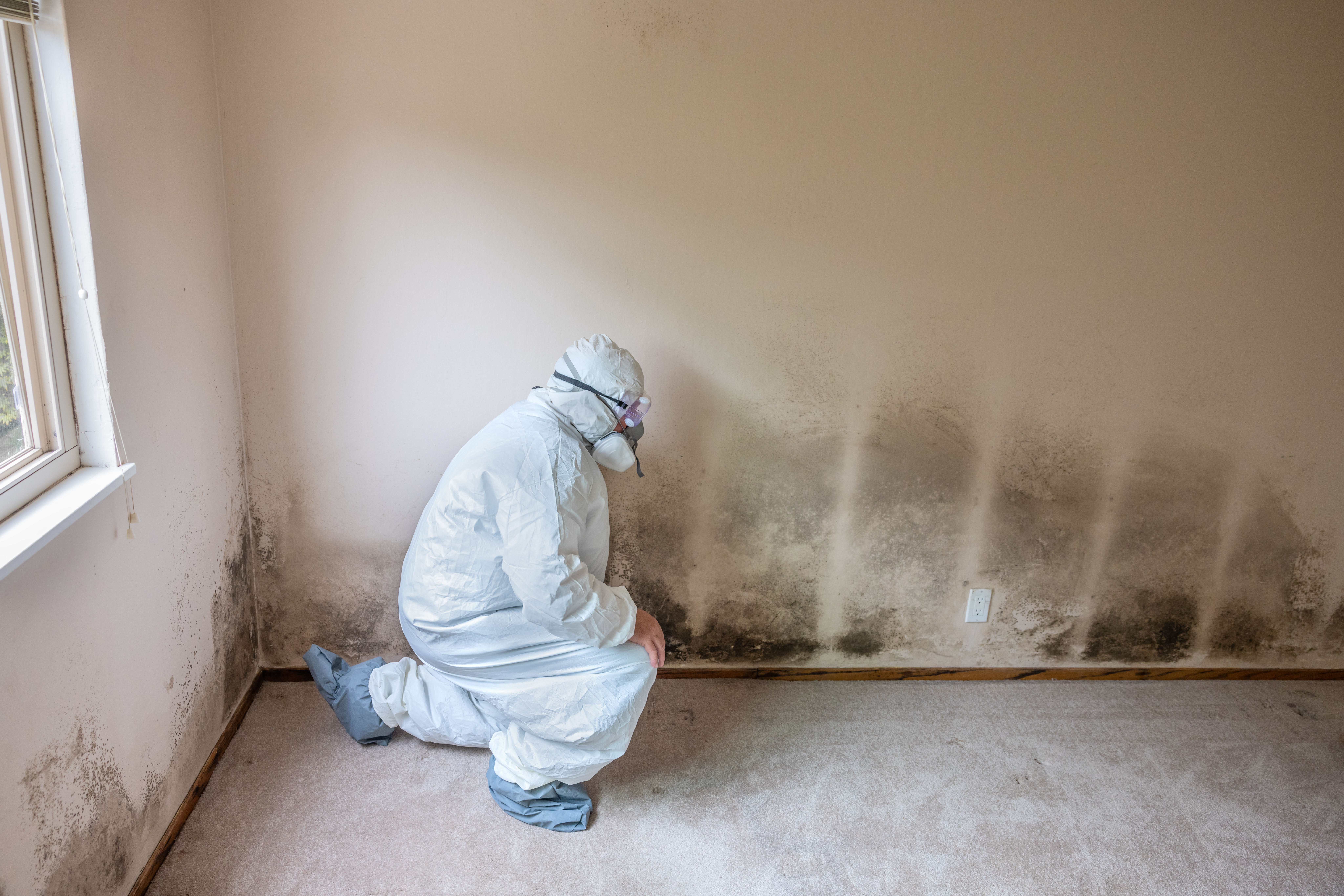
Why Mold Testing Becomes Necessary in Aventura in Rental Properties
Aventura is one of South Florida’s most desirable rental markets, offering high-rise condos, luxury apartments, and single-family homes with proximity to Biscayne Bay and major commercial centers. While these properties attract tenants, they also face unique maintenance challenges due to the region’s coastal climate, high humidity, and frequent storms. One of the most common and insidious issues in rental properties is mold growth.
Mold can form quickly in warm, humid environments, often going unnoticed until it causes visible damage, persistent odors, or occupant complaints. For property owners and managers, understanding the importance of mold testing in rental properties is crucial for protecting both the property and tenants’ health. In Aventura, North Miami, North Miami Beach, Sunny Isles Beach, Bal Harbour, Miami Shores, Surfside, Biscayne Park, and nearby coastal neighborhoods, proactive mold management is a key component of responsible property maintenance.
Understanding Mold Growth in Rental Properties
Mold is a fungus that reproduces through spores, which are present in virtually every indoor environment. While small amounts are generally harmless, mold becomes a problem when spores encounter moisture and organic material such as wood, drywall, or carpet padding. Rental properties in Aventura are especially vulnerable due to:
- High Humidity: Coastal properties experience year-round humidity, which keeps building materials damp and conducive to mold growth.
- Water Intrusion: Plumbing leaks, AC condensation, roof leaks, or flooding can introduce moisture to hidden areas.
- Tenant Usage Patterns: Frequent cooking, showering, and laundry can increase indoor humidity, and tenants may not report minor leaks promptly.
- Aging Infrastructure: Older rental properties may have cracks, worn seals, or aging HVAC systems that trap moisture.
Even small water incidents can lead to mold growth within 24–48 hours if not addressed quickly. Without professional inspection, mold may remain hidden behind walls, under flooring, or in HVAC systems, spreading undetected.
Why Mold Testing Is Critical in Rental Properties
Mold testing provides a scientific method to detect and assess mold presence, which is essential for several reasons:
1. Protecting Tenant Health
Mold spores can exacerbate allergies and respiratory conditions. Tenants may experience sneezing, coughing, eye irritation, or persistent congestion if exposed to elevated mold levels. Testing identifies contaminated areas before symptoms escalate.
2. Preventing Property Damage
Mold can compromise drywall, insulation, carpeting, wood floors, and even structural elements. Early detection through testing prevents extensive damage that could require costly repairs or reconstruction.
3. Reducing Legal and Financial Risk
Rental property owners have a responsibility to provide safe living environments. Undetected mold can lead to tenant complaints, legal claims, or reduced property value. Testing demonstrates due diligence and helps document proactive maintenance.
4. Guiding Effective Remediation
Mold testing identifies the type, concentration, and location of mold. This data allows remediation teams to develop a targeted plan, addressing both visible and hidden contamination.
5. Preventing Recurrence
By identifying underlying moisture sources, testing helps prevent future mold growth. This is especially important in multi-unit buildings or high-rise condos where water intrusion may affect multiple units.
Common Sources of Mold in Aventura Rental Properties
Rental units in Aventura and nearby coastal areas often develop mold in predictable areas:
- Bathrooms and Kitchens: Leaks under sinks, poor ventilation, or prolonged high humidity from showers and cooking.
- HVAC Systems and Ductwork: Condensation, clogged drip pans, or poor airflow allows mold to colonize hidden areas.
- Attics and Crawl Spaces: Roof leaks or slab foundation moisture create hidden damp zones.
- Walls and Baseboards: Water penetration from exterior walls, windows, or plumbing can support mold growth behind surfaces.
- Carpets and Upholstery: Water spills, high humidity, or flooding can lead to mold colonization in soft materials.
Tenant activities and property features combine to create a high-risk environment that necessitates regular testing.
Signs That Mold May Be Present in Rental Units
Even when tenants do not report issues, property managers can look for:
- Persistent musty odors in living spaces
- Visible discoloration or staining on walls, ceilings, or floors
- Warping, bubbling, or cracking in flooring or drywall
- Tenant complaints of respiratory discomfort or allergy-like symptoms
- HVAC odors or reduced airflow due to duct contamination
Early detection through professional testing prevents minor issues from escalating into major remediation challenges.
Professional Mold Testing Process
Mold testing in rental properties involves a systematic approach:
1. Initial Visual Inspection
Technicians assess the property for visible mold, water stains, condensation, and high-risk areas such as bathrooms, kitchens, attics, and HVAC systems.
2. Sampling
- Air Sampling: Measures airborne spores to assess overall contamination and indoor air quality.
- Surface Sampling: Swabs or tape lifts identify species growing on walls, flooring, or other surfaces.
- Bulk Sampling: Sections of drywall, insulation, or carpet may be removed for laboratory analysis to detect embedded mold.
- Moisture Mapping: Thermal imaging and moisture meters identify damp areas that may harbor hidden mold.
3. Laboratory Analysis
Samples are sent to certified labs for accurate identification of mold species and quantification. This information helps determine health risks and remediation scope.
4. Reporting and Recommendations
The property owner receives a detailed report outlining findings, affected areas, and professional recommendations for remediation, moisture control, and preventive measures.
Real-World Observations in Aventura Rentals
Experience with rental properties in Aventura and surrounding coastal neighborhoods reveals several key patterns:
- Rapid Mold Growth: Even minor leaks or AC condensation can lead to mold colonization within 24–48 hours.
- Hidden Damage: Walls, ceilings, and ductwork often harbor mold that tenants do not notice.
- Recurring Issues: Without addressing moisture sources, mold can return after partial cleaning.
- High-Risk Units: Bathrooms, kitchens, and high-humidity rooms in multi-unit buildings are consistently affected.
These observations underscore the importance of proactive testing and maintenance in rental properties.
Preventing Mold in Aventura Rentals
After testing and remediation, property managers should implement strategies to reduce recurrence:
- Prompt Leak Response: Repair plumbing, roof, and AC leaks immediately.
- Maintain Indoor Humidity: Keep levels below 60% using dehumidifiers and air conditioning.
- Ensure Proper Ventilation: Bathrooms, kitchens, attics, and crawl spaces should have adequate airflow.
- HVAC Maintenance: Clean and inspect ductwork, drip pans, and filters regularly.
- Seal Windows and Exterior Walls: Prevent rainwater intrusion and minimize moisture penetration.
- Regular Inspections: Monitor high-risk areas for early signs of water damage or mold.
By integrating these measures, rental property owners can protect both tenants and the property’s structural integrity.
The Importance of Local Expertise
Mold behavior in coastal Aventura rentals is influenced by high humidity, salt exposure, and building design. Restoration professionals familiar with South Florida conditions understand:
- How mold spreads in high-humidity environments
- Which areas in condos, high-rise units, and single-family rentals are most vulnerable
- How to perform thorough testing and remediation tailored to coastal properties
- Long-term preventive strategies for moisture control and mold prevention
Tip Top Water and Fire Damage Restoration has extensive experience in Aventura, North Miami, Sunny Isles Beach, Bal Harbour, Miami Shores, Surfside, Biscayne Park, and nearby neighborhoods. Their expertise ensures reliable mold testing and effective remediation that protects both tenants and property investments.
Moving Forward After Mold Testing
Mold testing is an essential component of responsible rental property management. Property owners and managers should:
- Conduct inspections promptly after water events or tenant complaints
- Engage professional remediation services for accurate, effective cleanup
- Implement preventive measures to control humidity, water intrusion, and ventilation
- Maintain HVAC systems and monitor indoor air quality
Proactive mold testing and maintenance protect tenant health, prevent structural damage, and preserve property value in Aventura and surrounding coastal communities.