
Why Quick Action Makes a Difference: Mold Removal Challenges in Coastal Neighborhoods Near Biscayne Bay
Living near Biscayne Bay has obvious advantages — open water views, steady breezes, and a coastal lifestyle that defines communities like North Miami, Miami Shores, Biscayne Park, and parts of Aventura. But waterfront living also comes with one ongoing structural challenge: moisture.
In coastal neighborhoods near Biscayne Bay, mold problems don’t develop slowly and politely. They escalate quickly. High humidity, salt-laden air, heavy rains, and elevated groundwater levels create conditions where even minor water intrusion can turn into a significant mold issue in a matter of days.
When it comes to mold removal in these areas, quick action truly makes the difference between a manageable repair and a widespread remediation project.
Why Mold Develops Faster Near Biscayne Bay
Mold needs three basic things: moisture, organic material, and time.
In coastal South Florida, moisture is constant. Drywall, wood framing, insulation, and cabinetry provide the organic material. The only missing ingredient is time — and that window is short.
In neighborhoods near Biscayne Bay:
- Outdoor humidity remains high most of the year
- Storm systems bring heavy rain and wind-driven intrusion
- AC systems run constantly, creating condensation
- Salt air accelerates material breakdown
- High water tables increase slab moisture
Because the environment already supports mold growth, even small water events can trigger rapid colonization.
The 24–48 Hour Window
In dry inland climates, materials may take longer to reach saturation levels that support mold growth.
Near Biscayne Bay, elevated humidity shortens that timeline.
After a leak or water intrusion event:
- Drywall absorbs moisture quickly
- Insulation retains water
- Wood framing becomes damp
- Indoor humidity spikes
Within 24 to 48 hours, mold spores — which are naturally present in the air — can begin colonizing damp materials.
Quick water removal and structural drying within that window significantly reduce the likelihood of mold growth.
Delays, even small ones, allow conditions to shift rapidly.
Common Water Events That Lead to Mold
In coastal neighborhoods such as North Miami Beach, Surfside, and Biscayne Park, mold removal often follows events that initially seemed minor.
AC Drain Line Failures
Clogged condensate lines cause water to overflow into closets or ceiling cavities. Because AC systems operate constantly, the water source may continue for days before being noticed.
Wind-Driven Rain
Heavy storms push water sideways into window frames and sliding glass doors. Even small amounts of intrusion behind walls can create hidden dampness.
Roof Leaks
Flat roofs common in coastal architecture are vulnerable during hurricane season. Minor flashing separations allow slow leaks into attic insulation.
Plumbing Leaks
Older homes in Miami Shores and North Miami sometimes have aging supply lines that develop slow leaks inside walls.
When these events are addressed immediately, mold may never develop.
When they are ignored, remediation becomes necessary.
The Unique Mold Removal Challenges in Coastal Areas
Mold removal near Biscayne Bay is rarely straightforward.
Several factors complicate the process.
Persistent Humidity During Remediation
Even after water sources are stopped, outdoor humidity remains high.
Without proper dehumidification, materials may not dry effectively.
Professional remediation uses industrial-grade dehumidifiers to overcome environmental moisture.
Hidden Moisture Migration
Water in coastal homes often spreads horizontally through framing and insulation before appearing visibly.
Thermal imaging and moisture mapping are critical to ensure all damp areas are identified.
Incomplete detection leads to recurring mold growth.
Salt Air Corrosion
Salt exposure weakens building materials over time.
Corroded fasteners and flashing create additional entry points for moisture.
Mold removal sometimes reveals underlying structural deterioration that must also be addressed.
Multi-Unit Building Complexity
In condo communities throughout Aventura and North Miami Beach, mold can originate in one unit and affect another.
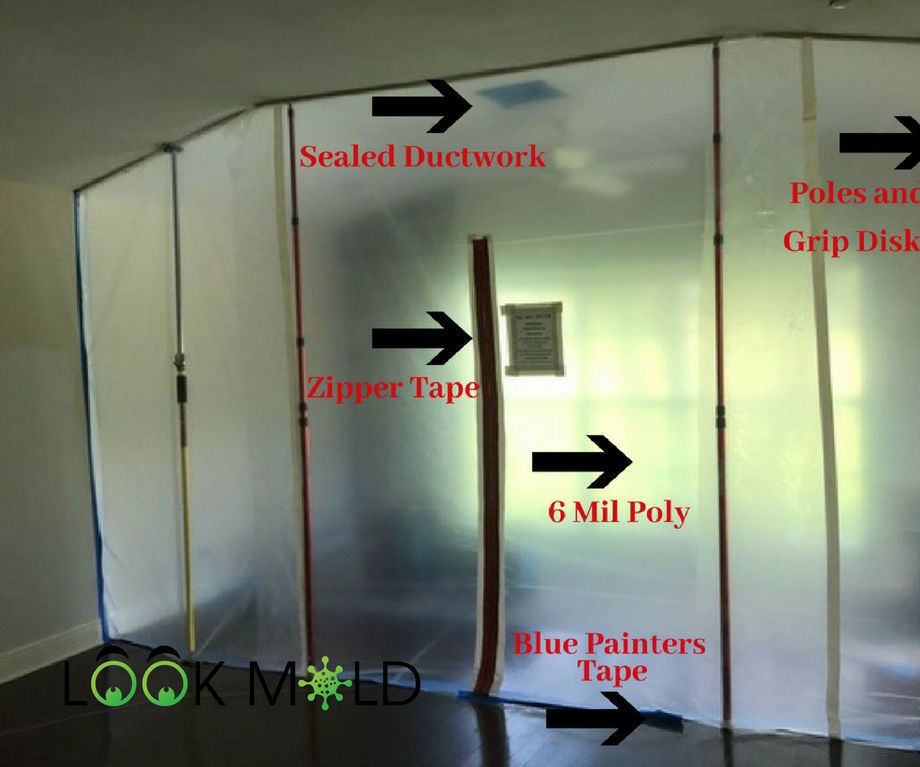
Containment becomes essential to prevent cross-contamination during remediation.
Why Quick Action Limits Structural Damage
The longer moisture remains, the deeper it penetrates.
Quick action prevents:
- Drywall disintegration
- Insulation collapse
- Subfloor warping
- Cabinet swelling
- Electrical system exposure
- Widespread mold contamination
Early intervention may allow selective material removal instead of full room demolition.
In coastal environments, small delays increase restoration scope significantly.
The Proper Mold Removal Process
When mold growth is confirmed, structured remediation is required.
The process typically includes:
- Establishing containment barriers
- Installing negative air machines
- Removing contaminated drywall and insulation
- HEPA vacuuming surfaces
- Applying antimicrobial treatments
- Drying structural framing thoroughly
- Verifying moisture levels before reconstruction
Skipping any of these steps increases the risk of recurrence.
In high-humidity neighborhoods near Biscayne Bay, drying verification is particularly important.
Rebuilding before moisture levels normalize invites future problems.
The Role of Moisture Detection
Mold removal always begins with identifying the moisture source.
Professional inspectors use:
- Thermal imaging cameras
- Surface and subsurface moisture meters
- Humidity readings
- HVAC inspections
In coastal homes, moisture may originate from:
- Window perimeter failures
- Roof flashing gaps
- Slab moisture migration
- Condensation inside ducts
Addressing the mold without correcting the moisture source only delays recurrence.
HVAC Systems and Mold Spread
Air conditioning systems can circulate mold spores throughout a property.
In humid coastal climates:
- Ductwork may develop condensation
- Drain pans may overflow
- Air handlers may retain moisture
Air duct cleaning is often part of comprehensive mold remediation in neighborhoods near Biscayne Bay.
If HVAC systems are not inspected and cleaned when necessary, mold can reappear in previously unaffected areas.
Prevention After Remediation
Once mold removal is complete, prevention becomes critical.
Homeowners in North Miami, Miami Shores, and surrounding coastal neighborhoods should:
- Maintain indoor humidity between 45–55%
- Service AC systems regularly
- Inspect roofs before hurricane season
- Monitor window seals
- Address leaks immediately
- Consider periodic moisture inspections
Waterfront homes face constant environmental pressure.
Ongoing maintenance reduces the likelihood of repeated remediation.
Why Local Coastal Experience Matters
Mold removal near Biscayne Bay requires understanding local environmental behavior.
Coastal construction materials respond differently to moisture than inland homes.
A local restoration professional understands:
- How wind-driven rain enters structures
- Where slab moisture typically migrates
- How salt air accelerates material failure
- How to manage drying in high humidity
Tip Top Water and Fire Damage Restoration has handled mold removal across North Miami, Biscayne Park, Miami Shores, Aventura, and Surfside, addressing the unique challenges of coastal living.
Experience in these neighborhoods allows faster identification of moisture patterns and more durable solutions.
A Practical Perspective on Acting Quickly
In coastal neighborhoods near Biscayne Bay, mold problems rarely improve on their own.
Humidity remains high. Storms return. Salt exposure continues.
Quick action — whether through immediate water removal, professional moisture detection, or early mold remediation — prevents minor issues from becoming major structural repairs.
When leaks are stopped promptly, materials are dried thoroughly, and contamination is contained correctly, homes recover efficiently.
In coastal South Florida, time is the most important factor in mold control.
Acting quickly protects the structure, preserves indoor air quality, and keeps restoration manageable — even in the challenging environment of Biscayne Bay’s waterfront communities.