Why Smoke Damage Cleanup Becomes Necessary in Bayfront Homes in North Miami Waterfront Properties
Bayfront living in North Miami is highly sought-after for its stunning water views, gentle breezes, and luxury coastal homes. Properties along Biscayne Bay, North Miami Beach, and Miami Shores offer unparalleled scenic beauty but also face unique maintenance challenges. Among these, smoke damage — whether from minor kitchen incidents, electrical malfunctions, or small fires — is one of the most frequently overlooked threats in waterfront homes.
Smoke damage cleanup in bayfront properties is not merely about cosmetic repairs. Smoke particles are microscopic, acidic, and highly adhesive. In coastal environments, they interact with humidity, salt air, and ventilation systems in ways that make remediation both critical and complex. Homeowners, landlords, and property managers often underestimate the need for professional intervention, which can result in lingering odors, structural degradation, and even mold growth.
Understanding Smoke Damage in Waterfront Homes
Smoke damage occurs when materials burn, releasing soot, smoke particles, and chemical residues into the air. These particles can travel far beyond the immediate fire area, adhering to walls, ceilings, floors, and even hidden spaces.
In North Miami bayfront homes, smoke behaves differently due to the combination of environmental factors:
- High Humidity: Moisture in the air allows soot to stick to surfaces more effectively.
- Salt Air Exposure: Salt accelerates corrosion and discoloration when soot contacts metal, electrical components, and HVAC systems.
- Continuous AC Use: Air conditioning systems operate nearly year-round, circulating smoke particles throughout living spaces.
This combination makes smoke cleanup necessary, even after seemingly minor incidents. Ignoring the problem often results in recurring odors and long-term structural and aesthetic damage.
Why Smoke Damage Is Particularly Problematic in Waterfront Properties
Bayfront homes present unique challenges for smoke damage remediation:
1. Salt-Air Corrosion
Salt-laden breezes from Biscayne Bay can interact with smoke residue, forming acidic deposits on metal surfaces. Over time, this accelerates rust and corrosion on:
- Door hardware
- Window frames
- Electrical outlets and wiring
- HVAC components
This is particularly concerning in luxury waterfront homes with high-end finishes that are more sensitive to corrosion.
2. Elevated Indoor Humidity
Waterfront homes in North Miami consistently experience high indoor humidity due to proximity to the bay and year-round coastal climate. Smoke particles in humid conditions bond more aggressively to walls, ceilings, and fabrics, making them more difficult to remove and more likely to cause permanent staining.
3. Complex Ventilation Systems
Many waterfront homes have central HVAC systems that draw air through multiple rooms. Smoke can infiltrate:
- Ductwork
- Air handlers
- Return vents
If left untreated, this contaminated airflow can continue to spread odors and residue throughout the home long after the fire is extinguished.
Common Sources of Smoke Damage in North Miami Waterfront Homes
Several sources contribute to smoke damage incidents in bayfront properties:
- Kitchen Fires: Cooking-related incidents remain the most common source of household smoke damage. Even small flare-ups can release significant amounts of smoke into open-concept living spaces.
- Electrical Malfunctions: Salt and moisture accelerate wiring corrosion, which can lead to short circuits and small electrical fires.
- Balcony or Outdoor Fire Hazards: Grilling accidents or improperly discarded smoking materials can create smoke that infiltrates interior spaces.
- AC or Mechanical Equipment Failures: Overheated motors or electrical malfunctions in HVAC systems can release smoke directly into ductwork.
Even minor fires can produce enough smoke to necessitate professional cleanup in bayfront homes due to the combination of environmental and structural factors.
Early Signs That Smoke Damage Needs Attention
In many cases, smoke damage is not immediately obvious. Homeowners in North Miami waterfront properties often notice:
- Persistent smoky or burnt odor
- Yellowing or discoloration on ceilings or walls
- Gray residue on countertops or window sills
- Staining around vents or ductwork
- Odor reappearing when the AC system runs
- Corrosion on metal fixtures
Ignoring these warning signs can result in smoke particles embedding further into surfaces, increasing the difficulty and cost of remediation.
Hidden Areas Commonly Affected by Smoke
Smoke rarely stays confined to the source area. In waterfront homes, professionals often find contamination in:
- HVAC ductwork and air handlers
- Behind baseboards and crown molding
- Interior wall cavities
- Cabinet interiors and closets
- Attic spaces and crawlspaces
High humidity accelerates the binding of smoke particles to porous materials like drywall, wood framing, and insulation. These hidden areas are often overlooked in DIY cleanup attempts, which is why professional remediation is necessary.
Why DIY Cleanup Often Fails
Many homeowners attempt to clean smoke damage with household cleaners or basic wiping. While this may remove surface soot temporarily, it rarely addresses the root problem.
Common pitfalls of DIY methods include:
- Spreading Residue: Wiping without proper filtration smears soot across surfaces.
- Incomplete Odor Removal: Smoke odor molecules penetrate porous materials and remain after surface cleaning.
- Ignoring HVAC Contamination: Untreated duct systems continue to circulate odor throughout the home.
- Exacerbating Humidity Effects: Using water-based cleaning solutions in high-humidity conditions can cause soot to bond more firmly to surfaces.
Professional remediation is designed to remove both visible and hidden contaminants safely and effectively.
Professional Smoke Damage Cleanup Process
A comprehensive smoke damage cleanup process includes several key steps:
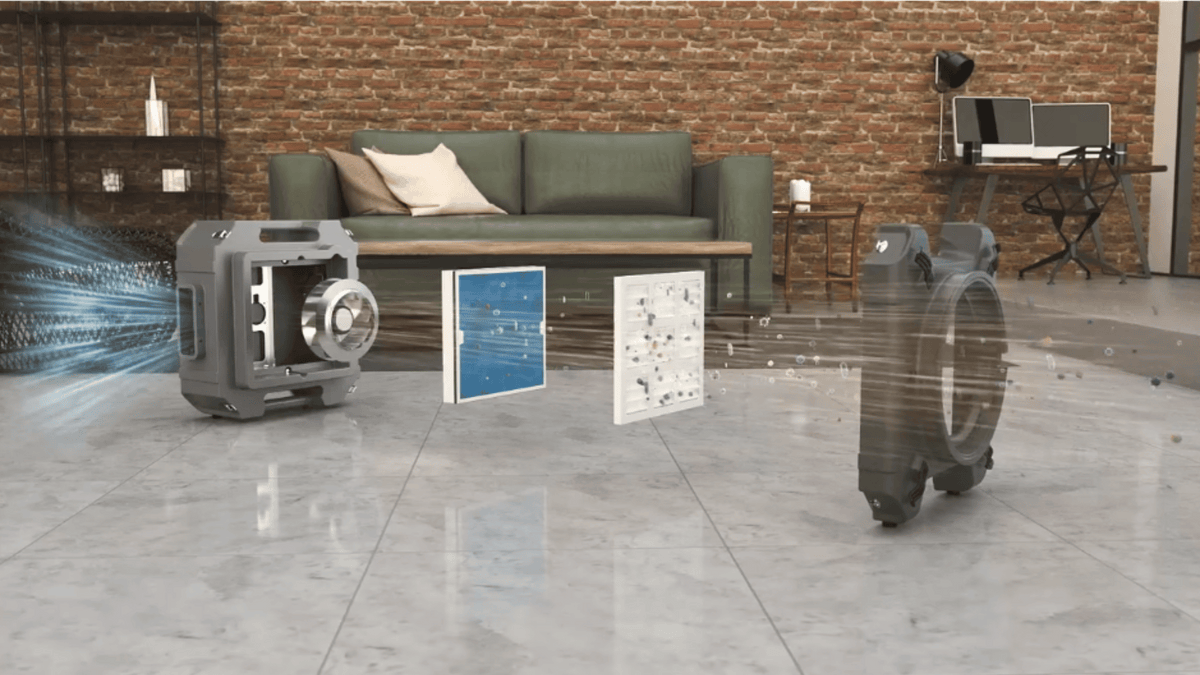
1. Air Filtration
High-efficiency HEPA air scrubbers capture airborne soot and prevent cross-contamination.
2. Surface Cleaning
Specialized cleaning agents neutralize acidic residues on walls, ceilings, cabinets, and other surfaces.
3. HVAC and Duct Cleaning
Thorough duct cleaning ensures smoke particles are removed from air handlers and ventilation systems, preventing odor recurrence.
4. Odor Neutralization
Advanced deodorization techniques target embedded odor molecules in carpets, fabrics, and other porous surfaces.
5. Material Replacement
Heavily contaminated materials like insulation, carpet padding, or certain wall sections may require replacement for safety and long-term odor control.
6. Moisture Control
Dehumidifiers and controlled drying prevent humidity from causing smoke particles to adhere further to surfaces.
Each step addresses both visible and hidden smoke contamination, reducing the risk of long-term damage.
When Smoke Damage Intersects with Water Damage
Bayfront properties often have sprinkler systems or fire suppression measures that introduce water during fire events. Water can complicate smoke damage cleanup by:
- Trapping soot into drywall and subflooring
- Increasing odor persistence
- Elevating the risk of mold growth in humid conditions
In these cases, smoke damage remediation often overlaps with water damage restoration and moisture control to prevent secondary issues.
Preventing Future Smoke-Related Problems
Homeowners in North Miami waterfront homes can take several steps to reduce future smoke damage risks:
- Maintain Electrical Systems: Regular inspections prevent corrosion-related malfunctions.
- Service HVAC Systems Annually: Ensures air handlers, ducts, and filters remain clean and operational.
- Install and Test Smoke Detectors: Proper placement in kitchens, living areas, and mechanical rooms is critical.
- Address Small Fires Immediately: Even minor incidents require inspection to ensure hidden contamination is removed.
- Use Kitchen Ventilation: Proper exhaust systems prevent smoke from spreading through open layouts.
Preventative measures protect both property value and indoor air quality.
The Importance of Local Experience
Smoke damage cleanup in coastal North Miami homes differs from inland restoration work. Local professionals understand:
- High humidity effects on smoke particles
- Salt-air corrosion risks
- Ventilation patterns in high-rise and waterfront homes
- Structural nuances in bayfront properties
Tip Top Water and Fire Damage Restoration has extensive experience in North Miami, Miami Shores, Sunny Isles Beach, and nearby communities. Their local expertise ensures that smoke damage cleanup is thorough, targeted, and suitable for the coastal environment.
A Calm Approach to Restoration
Experiencing smoke damage can feel overwhelming, but a proactive and professional approach minimizes long-term problems.
- Early detection prevents soot and odor from embedding further.
- Proper cleaning, HVAC treatment, and moisture control prevent recurrence.
- Local experience ensures methods are tailored to the unique challenges of waterfront living.
In North Miami bayfront homes, smoke damage cleanup is essential not only for aesthetic reasons but for long-term structural integrity, indoor air quality, and peace of mind.