Why Water Damage Repair Becomes Necessary in Aventura from AC Condensation Problems
Aventura, Florida, is known for its luxury condos, waterfront residences, and lush coastal neighborhoods. While the area offers homeowners stunning views and high-quality living, its tropical climate presents unique challenges for property maintenance. Among these, air conditioning (AC) condensation problems stand out as a frequent cause of water damage in both residential and rental properties.
For homeowners, landlords, and property managers, understanding why water damage repair becomes necessary due to AC condensation is critical. Unaddressed moisture can compromise structural integrity, promote mold growth, and negatively impact indoor air quality. This guide provides a comprehensive overview of how AC systems contribute to water damage, the signs to watch for, the professional repair process, and preventive strategies specific to Aventura’s coastal environment.
Understanding AC Condensation and Its Role in Water Damage
Air conditioning systems remove heat and humidity from indoor air. As warm air passes over the cooling coils, moisture condenses and is typically drained away through a condensate line. In theory, this process keeps indoor humidity low. However, in Aventura’s high-humidity, coastal climate, AC systems can generate excess condensation if:
- Condensate lines become clogged or blocked
- Drip pans overflow due to standing water
- Units are undersized, overworked, or poorly maintained
- Humidity levels overwhelm the system’s capacity
- Drainage systems are improperly sloped or damaged
When condensation is not properly managed, it can seep into ceilings, walls, floors, and subfloors, causing water damage over time.
Why Water Damage from AC Condensation Is a Common Issue in Aventura
Several factors make Aventura homes particularly vulnerable to AC-related water damage:
1. High Coastal Humidity
Aventura experiences consistently high humidity due to its proximity to Biscayne Bay. This moisture-laden air increases the volume of condensate produced by AC systems, putting stress on drainage components.
2. Storm-Related Power Fluctuations
Hurricanes, tropical storms, and summer thunderstorms can disrupt AC operation. Power surges, intermittent shutdowns, or clogged drains after storms may cause water overflow.
3. Multi-Level and Luxury Properties
Condominiums and large homes often have complex HVAC systems. Multiple units, long duct runs, and high ceilings increase the risk of condensation collecting in hidden areas like ceilings, attics, or behind walls.
4. Older or Improperly Maintained Systems
Older AC units may have corroded pans, clogged condensate lines, or inefficient cooling coils that contribute to standing water and leakage.
5. Poor Ventilation or Airflow
Inadequate airflow prevents moisture from being carried away efficiently, causing water to accumulate in unintended areas.
Combined, these factors create an environment where water damage can develop quietly, often before homeowners notice visible signs.
Common Signs That AC Condensation Is Causing Water Damage
Homeowners and property managers should watch for warning signs indicating AC condensation is creating water damage:
- Water Stains – Yellow or brown marks on ceilings, walls, or baseboards indicate moisture infiltration.
- Soft or Warped Flooring – Carpets, hardwood, or laminate flooring that feels spongy or warped may have absorbed condensate.
- Musty Odors – Persistent damp smells in rooms near the AC system or ductwork suggest hidden moisture.
- Drip Sounds or Visible Leakage – Water dripping from units, ducts, or ceilings signals drainage problems.
- Condensation on AC Components – Standing water in drip pans or along condensate lines indicates malfunction or blockage.
- Mold Growth – Visible mold or mildew on ceilings, walls, or ductwork is a clear indicator that water has accumulated.
Prompt detection of these signs allows homeowners to address issues before structural damage or mold growth escalates.
The Water Damage Repair Process from AC Condensation
Professional water damage repair is essential for effective remediation and long-term prevention. The process typically involves:
1. Inspection and Assessment
Technicians evaluate the property to locate moisture sources, assess affected areas, and identify potential structural or material damage. In Aventura homes, hidden areas like attics, crawl spaces, and ductwork require special attention.
2. Moisture Detection
Using moisture meters, thermal imaging cameras, and hygrometers, professionals detect water trapped in walls, floors, ceilings, or subfloors that may not be immediately visible.
3. Water Extraction
Standing water or pooled condensation is removed using industrial pumps, wet vacuums, and extraction tools to prevent further damage.
4. Drying and Dehumidification
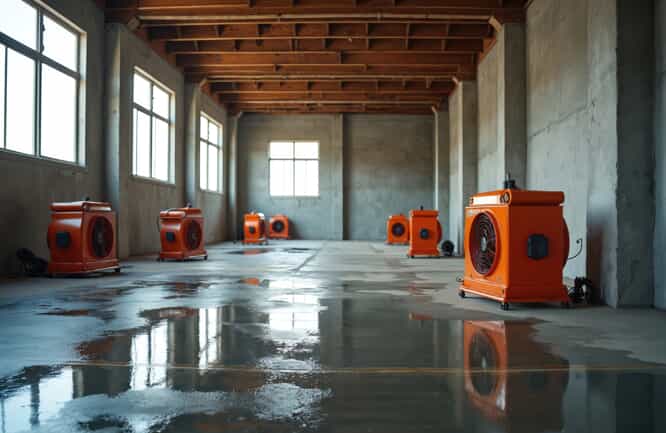
High-powered air movers, fans, and dehumidifiers are deployed to remove residual moisture. In Aventura’s humid environment, multiple cycles may be required to achieve safe moisture levels.
5. Sanitization and Mold Prevention
Antimicrobial treatments are applied to affected areas to prevent microbial growth. This step is crucial because stagnant water from AC systems can foster mold and mildew rapidly.
6. Structural Repair and Restoration
Water-damaged materials, including drywall, insulation, subfloors, and flooring, are repaired or replaced as needed to restore the property to its original condition.
7. HVAC System Maintenance
AC units and condensate lines are inspected, cleaned, and repaired to prevent future leaks. Proper maintenance ensures that moisture is managed effectively.
8. Post-Repair Verification
Technicians perform moisture and air quality checks to confirm the property is fully restored, ensuring no hidden water remains that could compromise structural integrity or indoor air quality.
Real-World Observations in Aventura
Experience in Aventura highlights recurring patterns in AC-related water damage:
- Attics and Ceiling Cavities – Water often accumulates in ceilings above AC units, especially in multi-level homes.
- HVAC Duct Systems – Condensation in ducts can create hidden water damage and distribute moisture to multiple areas.
- Luxury Condos – High ceilings and multi-zone HVAC systems increase complexity and make detection more challenging.
- Tenant Delays in Rental Properties – In rental units, delayed reporting of dripping AC units or musty odors can worsen damage and mold risk.
These observations emphasize the importance of professional inspections, early intervention, and ongoing maintenance.
Why DIY Solutions Often Fail
Many homeowners attempt to manage AC condensation water damage on their own, but DIY approaches can be inadequate:
- Hidden moisture in walls, ceilings, or subfloors may be overlooked.
- Temporary fixes like wiping visible water or unclogging a drain line may not address the underlying problem.
- Mold prevention and air quality restoration require professional-grade equipment and antimicrobial treatments.
- Incomplete repair increases the risk of recurring water damage, mold growth, and structural deterioration.
Professional water damage repair ensures comprehensive remediation and prevents future issues.
Preventive Strategies for AC-Related Water Damage
To minimize the risk of AC condensation causing water damage in Aventura homes, consider these preventive strategies:
- Routine AC Maintenance – Schedule inspections and cleaning of coils, condensate pans, and drain lines.
- Monitor Indoor Humidity – Use dehumidifiers or smart HVAC systems to maintain humidity levels below 60%.
- Check for Leaks – Inspect AC units, drip pans, and condensate lines regularly for standing water or signs of leakage.
- Proper Ventilation – Ensure rooms, attics, and crawl spaces are adequately ventilated to reduce condensation buildup.
- Prompt Water Removal – Address any signs of water pooling immediately to prevent structural damage.
- Tenant Education – In rental properties, encourage occupants to report dripping AC units, musty odors, or damp areas promptly.
Proactive measures reduce the likelihood of water damage and maintain indoor air quality and property integrity.
Local Expertise Matters
AC condensation water damage in Aventura requires knowledge of:
- Coastal humidity and tropical climate impacts
- Multi-level and luxury property HVAC systems
- Hidden moisture detection in ceilings, walls, and ductwork
- Coordination with water removal, drying, and mold remediation services
- Long-term preventive maintenance and monitoring
Tip Top Water and Fire Damage Restoration has extensive experience serving Aventura, North Miami, Sunny Isles Beach, Bal Harbour, Miami Shores, Biscayne Park, and nearby coastal neighborhoods. Their local expertise ensures water damage repair from AC condensation is thorough, efficient, and tailored to the unique challenges of coastal homes.
Moving Forward
For homeowners, landlords, and property managers in Aventura, addressing AC condensation water damage promptly is essential:
- Respond immediately to leaks, dripping AC units, or signs of water damage.
- Engage professional water removal, drying, and repair services.
- Inspect HVAC systems and ductwork for hidden moisture.
- Implement preventive maintenance to reduce recurring problems.
- Educate tenants or occupants on early detection and reporting.
- Keep records of inspections, repairs, and maintenance for long-term property management.
By combining professional water damage repair, preventive strategies, and proactive maintenance, Aventura homes remain safe, structurally sound, and comfortable for occupants, protecting both health and property value.