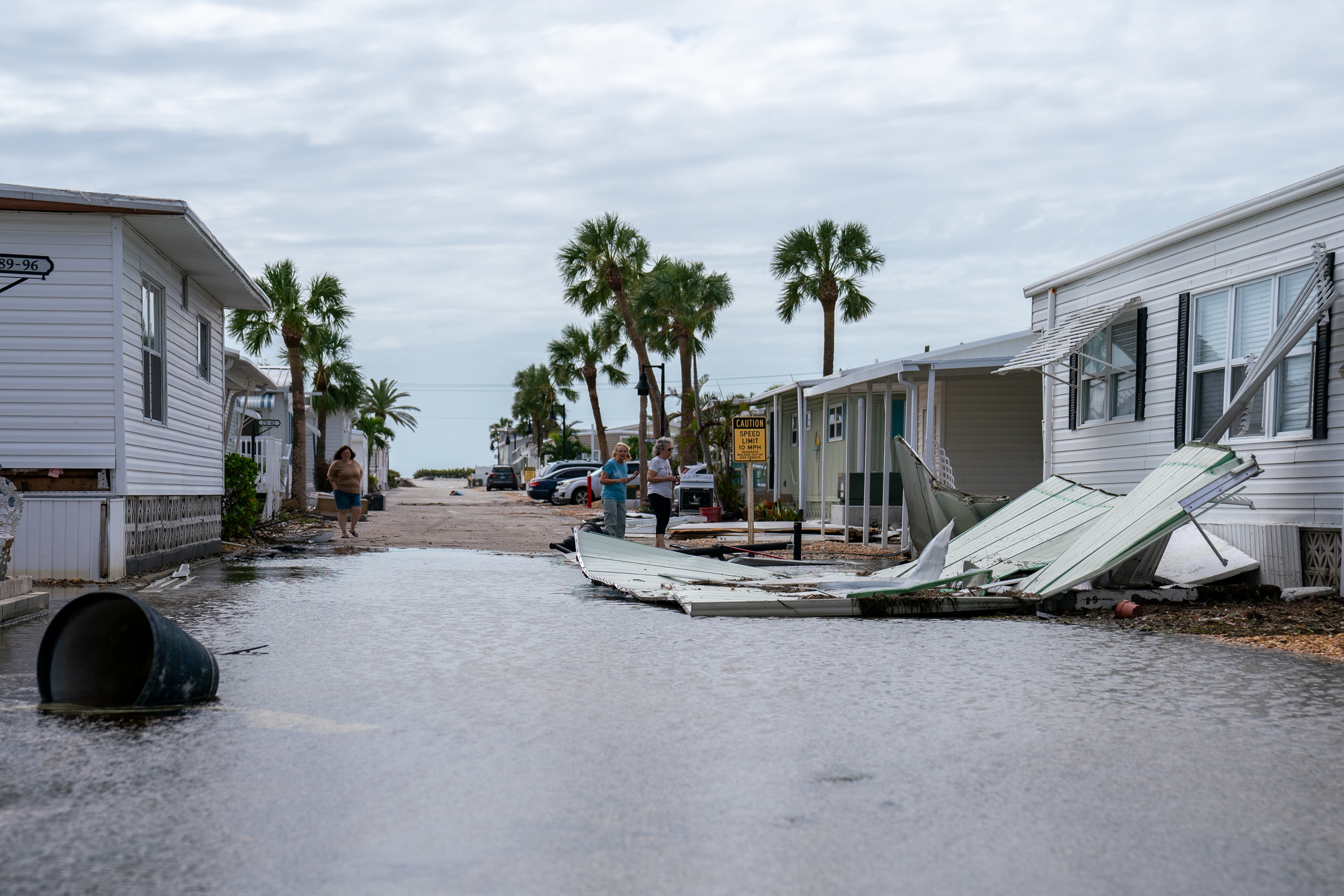
Why Water Damage Repair Becomes Necessary in Sunny Isles Beach in Waterfront Properties
Sunny Isles Beach, along with nearby communities including Bal Harbour, North Miami Beach, North Miami, Aventura, Miami Shores, Surfside, and Biscayne Park, is renowned for its luxury waterfront properties, oceanfront condos, and high-rise living. While these homes offer stunning views and a vibrant lifestyle, they also face unique challenges related to water exposure. High tides, coastal storms, heavy seasonal rainfall, and high humidity levels combine to create an environment where water damage can develop rapidly and quietly.
For homeowners, landlords, and property managers, understanding why water damage repair becomes necessary is critical. Even small leaks or minor flooding can quickly escalate into structural damage, mold growth, and compromised indoor air quality. Timely water damage repair protects property value, ensures safe living conditions, and preserves the longevity of high-end finishes often found in Sunny Isles Beach homes.
Understanding Water Damage
Water damage refers to any situation where water accumulates in areas of a home where it is not intended. In waterfront properties, water can infiltrate homes from multiple sources, including:
- Storm surge and high tides: Ocean water can penetrate through windows, doors, and balconies during extreme weather events.
- Roof leaks: Aging roofs or storm damage allow rainwater to seep into attics and ceilings.
- Plumbing failures: Broken pipes, leaking fixtures, or clogged drains contribute to localized water intrusion.
- AC and HVAC systems: Condensation and leaks from air conditioning units often affect ceilings, walls, and flooring.
- Flooding from heavy rains: Poor drainage systems or low elevation can lead to water pooling inside homes.
Water damage is not always immediately visible. Even small, hidden leaks can saturate insulation, flooring, or subflooring, creating conditions that lead to mold growth and long-term structural issues.
Why Sunny Isles Beach Waterfront Homes Are Particularly Vulnerable
Several factors make waterfront properties especially susceptible to water damage:
1. Proximity to Saltwater
Saltwater intrusion accelerates material deterioration. Metal components, including HVAC units, plumbing, and fixtures, corrode faster in coastal environments. Salt also exacerbates the breakdown of wood, drywall, and flooring materials when moisture is present.
2. High Humidity
Humidity in Sunny Isles Beach remains elevated throughout the year, often exceeding 70%. High humidity alone can create condensation on windows, walls, and ducts, promoting damp conditions that lead to water damage and mold growth.
3. Storm Exposure
Tropical storms and hurricanes pose significant risk to waterfront homes. Even minor breaches in roofing, window seals, or balcony drainage can allow water to infiltrate living spaces.
4. Aging Infrastructure
Many waterfront properties, including older condos and historic homes, feature aging roofing, plumbing, and drainage systems that are more prone to leaks and water intrusion.
5. Slab Foundations and Low Elevation
Water can penetrate concrete slabs through hairline cracks or poor sealing. Homes with low elevation near the bay or oceanfront are particularly at risk during high tides or heavy rain events.
Early Signs That Water Damage Repair Is Needed
Detecting water damage early is crucial to minimizing the impact on your property. Common indicators include:
- Visible stains or discoloration: Yellow or brown marks on ceilings, walls, or floors.
- Warped or buckling flooring: Hardwood, laminate, and tile may swell when exposed to water.
- Musty or moldy odors: Persistent odors often indicate hidden moisture or microbial growth.
- Sagging ceilings or walls: Water-soaked drywall can bend, sag, or separate from structural elements.
- Increased AC or plumbing issues: Condensation, leaks, or reduced efficiency may indicate moisture buildup.
Even subtle signs should prompt a professional inspection to prevent small problems from escalating.
Hidden Water Damage Risks in Waterfront Homes
Water can infiltrate homes in less obvious ways, making professional assessment essential:
- Inside wall cavities: Leaks behind walls often go unnoticed until mold growth or structural issues appear.
- Subfloor and flooring: Moisture can accumulate under tile, hardwood, or carpet padding.
- Attics and crawl spaces: Poor ventilation allows trapped moisture to damage insulation, beams, and ceilings.
- HVAC and ductwork: Condensation in air conditioning systems can spread moisture throughout the home.
Professional water damage repair addresses both visible and hidden damage, reducing the likelihood of recurring issues.
Why DIY Water Damage Repair Often Fails
While some homeowners attempt to address water damage on their own, DIY solutions often fall short because:
- Incomplete drying: Simply mopping or using fans does not eliminate moisture from walls, subfloors, or insulation.
- Hidden mold risk: Water left in concealed areas can trigger mold growth within 24–48 hours.
- Structural compromise: Unnoticed water can weaken beams, drywall, and flooring over time.
- Incorrect restoration: Without professional assessment, repairs may fail to restore the home’s structural integrity.
Professional repair ensures complete water extraction, drying, and remediation, protecting both property and health.
Professional Water Damage Repair Process
In waterfront properties in Sunny Isles Beach, water damage repair typically includes:
- Assessment and inspection: Identify water sources, affected areas, and structural vulnerabilities.
- Water extraction: Remove standing water using pumps and vacuums.
- Drying and dehumidification: Use air movers, dehumidifiers, and moisture monitoring to ensure complete drying.
- Mold prevention and remediation: Apply antimicrobial treatments to prevent microbial growth.
- Repair and restoration: Replace damaged drywall, flooring, insulation, or wood.
- HVAC and duct inspection: Ensure that air conditioning systems are free of moisture and mold contamination.
This comprehensive approach addresses immediate water intrusion while preventing long-term damage and recurring problems.
Long-Term Preventive Measures
After professional water damage repair, homeowners can implement strategies to reduce future risks:
- Routine roof and balcony inspections: Repair leaks or cracks promptly.
- Plumbing maintenance: Regularly check for leaks, clogs, and corrosion.
- AC and HVAC maintenance: Inspect units, drip pans, and ducts for condensation and leaks.
- Humidity control: Use dehumidifiers and maintain indoor humidity between 30–50%.
- Proper drainage: Ensure gutters, downspouts, and grading direct water away from the home.
- Periodic professional assessments: Schedule inspections to catch early signs of water intrusion or hidden moisture.
These measures are particularly important for waterfront properties, where environmental factors can accelerate damage.
Why Local Expertise Matters
Sunny Isles Beach homes face challenges unique to coastal properties:
- Salt-laden air and high humidity accelerate material deterioration.
- Storms and high tides increase water intrusion risk.
- Waterfront construction and high-rise designs require specialized repair techniques.
- Hidden moisture in ductwork, attics, and wall cavities requires professional detection.
Tip Top Water and Fire Damage Restoration provides expert water damage assessment, repair, and mold prevention services tailored to Sunny Isles Beach and nearby neighborhoods including Bal Harbour, North Miami Beach, North Miami, Aventura, Miami Shores, Surfside, and Biscayne Park. Local experience ensures repairs are precise, comprehensive, and effective in preventing future problems.
Calm, Trust-Based Call to Action
Water damage in Sunny Isles Beach waterfront homes can escalate quickly, affecting structural integrity, indoor air quality, and property value. Early detection, professional assessment, and thorough water damage repair are essential to prevent long-term problems. By combining expert water extraction, drying, mold prevention, and long-term preventive strategies such as AC maintenance, plumbing inspections, and humidity control, homeowners and property managers can safeguard their homes against coastal environmental challenges. Local professionals ensure solutions are tailored to the unique conditions of waterfront properties, providing peace of mind and lasting protection.