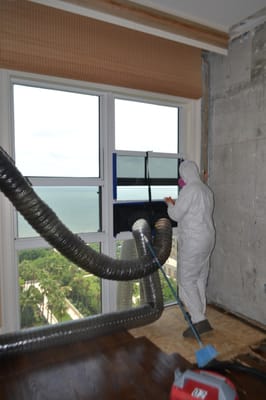
Why Water Damage Repair Becomes Necessary in Surfside after Heavy Rain
Surfside, along with nearby coastal communities including North Miami, North Miami Beach, Sunny Isles Beach, Bal Harbour, Aventura, Miami Shores, and Biscayne Park, offers homeowners beautiful oceanfront properties and a relaxed coastal lifestyle. While the views and amenities are exceptional, living in a high-humidity, storm-prone environment comes with challenges—particularly water intrusion during heavy rains.
Heavy rainstorms can cause water damage in Surfside homes, ranging from minor leaks to flooding that affects flooring, walls, and personal belongings. Addressing water damage promptly is critical, as untreated water intrusion can lead to structural deterioration, mold growth, and long-term indoor air quality problems. Understanding the causes, signs, and repair process helps homeowners protect both their property and health.
What Water Damage Means
Water damage occurs when excess moisture infiltrates a home, whether through roof leaks, window seals, plumbing failures, or stormwater intrusion. Even a small amount of standing water can affect multiple layers of a home, including:
- Floors: Hardwood, tile, and carpet may warp, stain, or deteriorate.
- Walls and ceilings: Water can seep into drywall, plaster, and insulation, leading to weakening or mold development.
- Structural components: Slab foundations, wooden supports, and framing can be compromised by prolonged moisture exposure.
- HVAC systems and ductwork: Moisture in ducts or air handlers can promote mold growth and reduce efficiency.
- Personal belongings: Furniture, electronics, and fabrics may absorb water, causing irreversible damage.
Water damage is not always obvious immediately after a storm. Often, the most significant problems develop in hidden areas like attics, crawl spaces, or behind walls.
Why Water Damage Happens So Often in Surfside
Several environmental and structural factors make Surfside homes particularly vulnerable to water intrusion after heavy rain:
- Coastal humidity: High humidity levels accelerate moisture absorption into building materials.
- Stormwater intrusion: Intense rain events or hurricanes can push water through roofs, windows, doors, or poorly sealed balcony areas.
- Aging construction materials: Older homes may have worn roofing, outdated window seals, or plumbing systems prone to leaks.
- AC condensation issues: Air conditioning units often generate condensate that, if not properly drained, can seep into flooring or walls.
- Flat or slab foundations: Homes with slab foundations are particularly susceptible to minor flooding or water pooling along edges.
These factors make proactive water damage assessment and repair essential for maintaining property integrity.
Common Signs Homeowners Notice
Homeowners may detect water damage after heavy rain through visible or subtle signs:
- Water stains on ceilings, walls, or baseboards
- Bubbling, peeling, or discolored paint or wallpaper
- Musty or damp odors in closets, basements, or crawl spaces
- Soft or warped flooring, particularly wood or laminate
- Reduced AC efficiency or moisture inside ductwork
- Pooled water near doors, windows, or low-lying areas
Even if these signs are minor, they can indicate hidden water infiltration that could worsen over time.
Hidden or Overlooked Sources of Water Damage
Experienced inspectors in Surfside often identify sources that homeowners may miss:
- Attics and roof cavities: Leaks may originate from worn shingles, flashing, or vent seals.
- Wall cavities: Water can travel along wiring or plumbing channels, saturating drywall and insulation.
- Crawl spaces and subfloors: Moisture often accumulates under homes, leading to mold and wood rot.
- HVAC systems: Condensation or leaks from AC units can damage nearby flooring or walls.
- Balconies and exterior penetrations: Improperly sealed edges allow wind-driven rain to enter walls and flooring.
Professional inspections uncover these hidden problems and ensure repairs address the root cause, not just visible symptoms.
Why DIY Water Cleanup Often Fails
Homeowners may attempt to clean up water themselves using towels, mops, or home fans. While this may remove visible water, DIY methods are often inadequate:
- Moisture can remain in subfloors, padding, walls, or insulation
- Mold growth may start within 24–48 hours if not properly dried
- Water damage to structural components may go unnoticed, worsening over time
- Incomplete drying may result in lingering odors and microbial contamination
Professional water damage repair ensures thorough extraction, drying, and restoration to prevent long-term issues.
Professional Water Damage Repair Process
In Surfside, experienced restoration professionals follow a structured approach:
- Assessment: Inspect the property to evaluate the extent of water penetration, structural damage, and potential microbial growth.
- Water extraction: Remove standing water using industrial-grade equipment.
- Drying and dehumidification: Utilize air movers, dehumidifiers, and moisture sensors to thoroughly dry carpets, subfloors, walls, and crawl spaces.
- Cleaning and sanitization: Treat surfaces, fabrics, and HVAC systems with antimicrobial solutions to prevent mold and bacteria growth.
- Repairs and restoration: Replace or repair damaged drywall, flooring, insulation, or cabinetry.
- Monitoring: Conduct follow-up inspections to ensure no residual moisture remains and confirm structural integrity.
This process protects both the property and indoor air quality, minimizing the risk of recurring water-related problems.
Long-Term Strategies for Preventing Water Damage
Homeowners in Surfside can take several steps to reduce the risk of water damage from future heavy rains:
- Maintain roofs, gutters, and downspouts to direct water away from the home
- Inspect and maintain window seals, balcony edges, and door thresholds
- Ensure AC units are functioning properly, with clean condensate lines and drip pans
- Elevate or seal vulnerable electrical systems and appliances
- Install dehumidifiers in crawl spaces, attics, and basements
- Schedule periodic professional inspections, particularly after storms or heavy rain events
Proactive measures combined with prompt professional repair after any water intrusion protect both property value and health.
Why Local Expertise Matters
Surfside homes face unique challenges due to coastal humidity, salt-laden air, and frequent storms. Local expertise ensures:
- Accurate identification of hidden moisture and potential water intrusion points
- Knowledge of common stormwater and AC-related water issues in Florida coastal homes
- Tailored repair strategies that address structural vulnerabilities, HVAC systems, and flooring
- Long-term preventive guidance for waterfront or slab-based properties
Tip Top Water and Fire Damage Restoration has extensive hands-on experience serving Surfside, North Miami, North Miami Beach, Sunny Isles Beach, Bal Harbour, Aventura, Miami Shores, and Biscayne Park, ensuring homeowners receive thorough, locally informed water damage repair solutions.
Calm, Trust-Based Call to Action
Water damage after heavy rain is not just an inconvenience—it can compromise the structural integrity, indoor air quality, and long-term value of your Surfside home. Prompt, professional repair is essential to address both visible and hidden damage. By combining expert assessment, thorough extraction and drying, and long-term preventive strategies, homeowners can protect their property and enjoy peace of mind in their coastal Florida residences. Partnering with a trusted local company ensures effective, reliable, and lasting water damage solutions.
Images