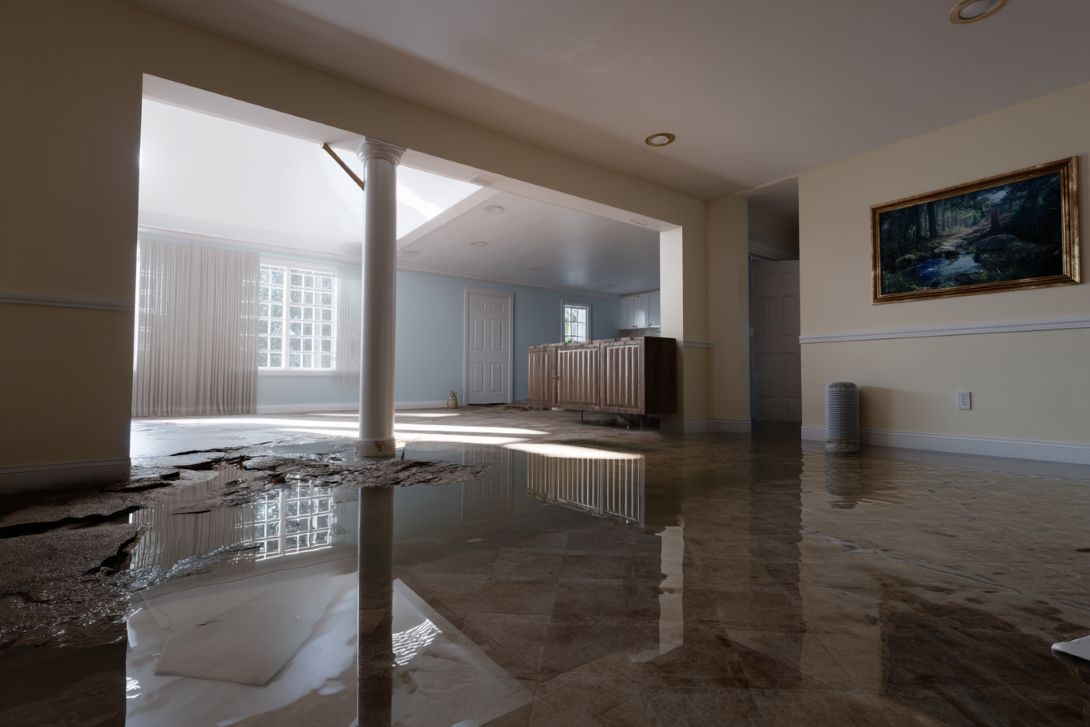
Why Water Removal Becomes Necessary in Coastal Neighborhoods Near Biscayne Bay During Humid Summer Months
Living near Biscayne Bay has its advantages—ocean breezes, waterfront views, and warm weather most of the year. But summer in coastal neighborhoods around North Miami, Miami Shores, and Surfside also brings extremely high humidity, heavy rainstorms, and moisture problems that can quickly turn into serious property damage.
During these humid summer months, water removal becomes one of the most common restoration needs. Many homeowners are surprised to learn that water damage doesn’t always come from major flooding. In coastal environments, moisture can build up gradually and reach damaging levels without any dramatic event.
Understanding why water removal becomes necessary—and what to watch for—can help property owners prevent costly repairs and long-term structural problems.
What Water Intrusion Means Inside a Home
Water intrusion refers to any situation where unwanted moisture enters or accumulates inside a structure. This can include visible flooding, slow leaks, or humidity that condenses into liquid water on surfaces.
Once water enters a home, it rarely stays in one place. Carpets, drywall, insulation, and wood framing can absorb moisture quickly. In humid environments, those materials dry much more slowly, allowing water to spread and damage larger areas over time.
In many Biscayne Bay properties, the real problem is not the initial water exposure but the prolonged moisture that follows.
Why This Happens So Often Near Biscayne Bay in Summer
Coastal neighborhoods experience unique environmental conditions that make water removal necessary more frequently than in inland areas.
Summer humidity levels are one of the biggest factors. Warm air holds more moisture, and when that humid air enters air-conditioned homes, condensation forms on cooler surfaces such as ducts, walls, and floors.
Frequent summer storms also contribute to water intrusion. Wind-driven rain can seep into small gaps around windows, doors, and roofs. Even well-maintained homes can experience minor leaks during heavy storms.
Another issue common in North Miami Beach and Aventura is saturated soil. After days of rainfall, the ground may remain wet, allowing moisture to migrate through foundations or slab floors.
Salt-heavy coastal air adds another layer of complexity. Salt particles attract and hold moisture, increasing indoor humidity and slowing evaporation.
Common Signs Property Owners Notice
Water damage is not always dramatic. In many cases, the signs are subtle at first.
A musty smell is often the earliest indicator. This odor usually becomes more noticeable in closed rooms or closets.
Homeowners may also notice warped baseboards, slightly buckling flooring, or discoloration on walls. Paint bubbling or peeling near ceilings or windows is another warning sign.
In humid summer conditions, condensation may appear on windows, air vents, or tile floors. While this may seem harmless, it often indicates that humidity levels are high enough to support mold growth and structural moisture damage.
Hidden or Overlooked Sources of Water
One of the most challenging aspects of water removal is locating hidden moisture sources.
Air-conditioning systems are a frequent contributor. Condensate drain lines can clog, allowing water to overflow inside walls or ceilings. Ductwork in warm attic spaces can also produce condensation that drips onto insulation or drywall.
Roof leaks are another common source, particularly after summer storms. Small leaks may go unnoticed until significant moisture has accumulated.
Plumbing lines behind walls, refrigerator supply lines, and washing machine hoses can also develop slow leaks that remain hidden for long periods.
In coastal properties, moisture intrusion sometimes occurs through exterior walls facing the bay, where wind and rain repeatedly impact the structure.
Why DIY Drying Often Falls Short
Many property owners attempt to handle water damage using fans or household dehumidifiers. While these methods may help reduce surface moisture, they rarely remove water trapped inside walls, subfloors, or insulation.
Another challenge is determining how far moisture has spread. Water often travels along framing, beneath flooring, or behind baseboards, making it difficult to assess the true extent of damage without professional equipment.
Incomplete drying can lead to mold growth, structural weakening, and recurring moisture problems.
Professional Moisture Detection and Inspection
A professional inspection focuses on identifying both visible and hidden moisture.
Technicians typically use moisture meters to measure water content in building materials. Thermal imaging cameras may be used to detect temperature differences that indicate damp areas behind walls or ceilings.
Indoor humidity levels are also evaluated. In coastal areas near Biscayne Bay, controlling humidity is often just as important as removing standing water.
Companies like Tip Top Water and Fire Damage Restoration often find moisture in areas homeowners did not suspect, especially beneath flooring and inside wall cavities.
The Water Removal and Drying Process
Water removal usually begins with extraction. Specialized equipment removes standing water from floors, carpets, and affected areas.
Once extraction is complete, high-powered air movers and dehumidifiers are installed to accelerate drying. These machines circulate air and remove moisture from both surfaces and the surrounding air.
Drying may take several days, especially during humid summer conditions. Monitoring equipment is used to track progress and ensure materials reach safe moisture levels before repairs begin.
Thorough drying is essential because even small amounts of trapped moisture can lead to mold growth or structural damage.
Repairs and Restoration After Drying
After drying is complete, damaged materials may need repair or replacement. This can include drywall, baseboards, flooring, or insulation.
In some cases, minor repairs are sufficient. In others, sections of flooring or walls may need to be rebuilt to restore structural integrity.
Restoration work focuses not only on appearance but also on ensuring the structure is dry, stable, and resistant to future moisture problems.
Mold Risks After Water Damage
One of the main reasons water removal is so important is the risk of mold growth. Mold thrives in warm, humid environments and can begin developing within 24 to 48 hours when moisture is present.
In coastal neighborhoods, humidity can keep materials damp long enough for mold to develop even after visible water is gone.
Prompt water removal and proper drying significantly reduce this risk and help maintain healthy indoor air quality.
Air Ducts, AC Systems, and Humidity Control
Air-conditioning systems play a critical role in moisture management. When systems are not properly maintained, they may fail to remove humidity effectively.
Clogged drain lines, dirty coils, or leaking ducts can all increase indoor moisture levels. In many homes throughout Surfside and Miami Shores, duct condensation contributes to recurring moisture problems.
Regular maintenance and periodic duct cleaning help improve airflow and reduce humidity.
Practical Prevention Tips for Coastal Homes
Preventing water damage in coastal environments requires a proactive approach.
Maintaining roofs, sealing windows, and inspecting plumbing regularly can prevent small leaks from becoming major issues.
Using dehumidifiers during peak summer months helps control indoor humidity. Ensuring proper ventilation in bathrooms, kitchens, and laundry rooms also reduces moisture buildup.
After storms, checking ceilings, walls, and flooring for early signs of water intrusion can prevent long-term damage.
Why Local Experience Matters
Water damage behaves differently in coastal environments than in inland areas. High humidity, salt air, and frequent storms create conditions that require specialized drying techniques and inspection methods.
Professionals familiar with North Miami, Biscayne Park, and surrounding bayfront neighborhoods understand how moisture spreads in these structures and how long materials take to dry in humid climates.
Tip Top Water and Fire Damage Restoration has seen many cases where early water removal prevented major repairs later, especially during the peak of summer humidity.
A Calm, Practical Next Step
Water intrusion during humid summer months is common in coastal neighborhoods near Biscayne Bay, but it does not have to become a major problem. Early inspection, proper drying, and moisture control can protect both the structure and indoor air quality.
Understanding how humidity affects drying—and knowing what signs to watch for—helps property owners respond quickly and prevent long-term damage.