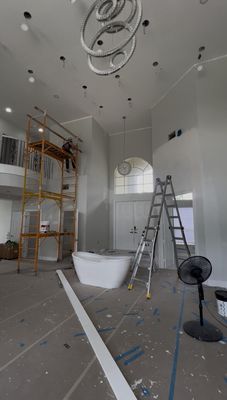
Why Water Removal Becomes Necessary in North Miami Beach in Rental Properties
North Miami Beach is a bustling coastal community characterized by a mix of waterfront properties, high-rise condos, single-family homes, and rental units. For landlords and property managers, maintaining rental properties in this environment comes with unique challenges. One of the most critical concerns is water intrusion, which can result from heavy rains, tropical storms, AC condensation, plumbing failures, or leaks in roofing and foundations. Water removal is essential not just for property preservation but also for protecting the health and safety of tenants, maintaining property value, and avoiding costly long-term damage.
In rental properties, delayed water removal can escalate minor incidents into major restoration projects. Whether the source is stormwater flooding, a leaky appliance, or AC system overflow, understanding the need for rapid, professional water removal is vital for responsible property management in North Miami Beach.
Why Water Removal Is Crucial in Rental Properties
Water intrusion in rental units can have a variety of negative consequences. Prompt removal is necessary to:
1. Prevent Mold Growth
- Moisture left untreated creates ideal conditions for mold and mildew, which can develop within 24 to 48 hours.
- Mold not only damages building materials but also affects indoor air quality, posing health risks for tenants.
- Rental properties with mold issues may face tenant complaints, legal liability, and increased vacancy rates.
2. Protect Structural Integrity
- Water can weaken drywall, flooring, subfloors, and wood framing.
- Over time, prolonged exposure to moisture can compromise foundations, walls, and load-bearing structures, requiring expensive repairs.
- Early water removal reduces long-term structural damage and maintains the property’s market value.
3. Safeguard Tenants’ Belongings
- Carpets, furniture, electronics, and personal items are at risk if water is not removed promptly.
- Landlords may be liable for tenant property damage depending on lease agreements.
- Quick water removal minimizes loss and preserves tenant satisfaction.
4. Prevent HVAC and Duct Contamination
- Rental units often share centralized HVAC systems, increasing the risk of moisture spreading throughout the building.
- Water infiltration can lead to microbial growth inside ducts, compromising indoor air quality.
- Professional water removal ensures that HVAC systems and ductwork are cleaned and sanitized, reducing the spread of contaminants.
5. Reduce Insurance and Liability Concerns
- Insurance claims for water damage may be denied if the property owner delays mitigation.
- Prompt water removal demonstrates proactive property management and can minimize liability in tenant disputes.
Common Causes of Water Intrusion in Rental Properties
Several factors contribute to water problems in North Miami Beach rental units:
1. Stormwater Flooding
- Heavy rains and tropical storms can overwhelm drainage systems.
- Ground-floor or waterfront units are particularly susceptible to flooding.
- Even minor flooding can cause damage if water is left standing for extended periods.
2. Air Conditioning Condensation
- AC units produce condensate that can overflow if drains are clogged or poorly maintained.
- Excess moisture may seep into walls, floors, or ceilings.
- Shared HVAC systems in multi-unit buildings can amplify the spread of water intrusion.
3. Plumbing Leaks
- Leaky pipes, faucets, or appliances (such as washing machines and dishwashers) can introduce significant water into living spaces.
- Hidden leaks in walls or under floors may go unnoticed until damage becomes severe.
4. Roof and Window Leaks
- Coastal properties are exposed to heavy rain and wind-driven water.
- Aging roofs, poorly sealed windows, and gaps in exterior walls can allow water penetration.
- Water entering through these points can affect multiple units or levels of a building.
Early Signs of Water Damage
Property managers should recognize early indicators of water intrusion to act promptly:
- Visible water stains or discoloration on ceilings, walls, or floors
- Musty or damp odors in units, indicating mold or mildew
- Warped or buckling flooring
- Soft or sagging drywall or baseboards
- Dripping from AC units or plumbing fixtures
- Higher-than-normal humidity readings or condensation on windows
Recognizing these warning signs allows for swift water removal and reduces the risk of secondary damage.
The Water Removal Process in Rental Properties
Professional water removal involves a systematic approach to ensure safety, efficiency, and long-term protection:
1. Inspection and Assessment
- Technicians assess the extent of water intrusion using moisture meters, infrared cameras, and hygrometers.
- Identifying the source of water—storm, leak, or AC overflow—is essential for effective remediation.
2. Water Extraction
- Standing water is removed using pumps, wet vacuums, and industrial-grade extraction equipment.
- Rapid extraction minimizes material saturation and prevents microbial growth.
3. Drying and Dehumidification
- High-capacity air movers and dehumidifiers are deployed to dry floors, walls, and hidden cavities.
- Continuous monitoring ensures moisture levels return to safe thresholds, preventing mold and structural damage.
4. Cleaning and Sanitization
- Contaminated surfaces are cleaned with antimicrobial solutions to eliminate bacteria, mold spores, and debris.
- HVAC systems and ducts may be sanitized to prevent further contamination.
5. Repair and Restoration
- Damaged drywall, flooring, insulation, and cabinetry are repaired or replaced.
- Structural repairs may be performed to restore integrity and prevent future water problems.
Challenges Specific to Rental Properties
Water removal in rental units presents unique challenges:
- Multiple Occupants: Tenants may not report water issues immediately, allowing damage to worsen.
- Shared Systems: Multi-unit HVAC, plumbing, and drainage systems can spread water and contamination between units.
- Property Access: Coordinating with tenants for inspection and remediation may require careful planning.
- Varied Materials: Different units may contain a mix of flooring, cabinetry, and furnishings, each requiring specific drying and cleaning techniques.
- Compliance Requirements: Landlords must follow local regulations for tenant safety and property maintenance during water restoration.
Professional teams experienced in rental properties can navigate these challenges effectively.
Preventive Measures for Rental Properties
Preventing water damage is more cost-effective than addressing it after the fact. Property managers should consider:
1. Regular HVAC and AC Maintenance
- Clean condensate lines, drip pans, and air handlers to prevent overflow.
- Inspect shared ductwork and vents for signs of moisture accumulation.
2. Plumbing Inspections
- Schedule routine checks for leaks, faulty appliances, and worn pipe seals.
- Address small leaks before they escalate into larger water problems.
3. Roof and Window Maintenance
- Inspect roofs, gutters, and flashing for damage prior to the rainy season.
- Seal or replace windows and doors that allow water infiltration.
4. Drainage Solutions
- Ensure proper grading and drainage around foundations to divert stormwater.
- Maintain sump pumps, backflow valves, and stormwater management systems.
5. Tenant Education
- Inform tenants about reporting leaks or water issues promptly.
- Encourage preventive practices, such as running exhaust fans during showers and monitoring indoor humidity.
6. Moisture Monitoring
- Install moisture sensors in high-risk areas such as basements, laundry rooms, and under sinks.
- Early alerts allow immediate water removal and mitigation.
Long-Term Benefits of Professional Water Removal
Proper water removal and preventive maintenance provide several advantages for rental properties in North Miami Beach:
- Preserves Property Value: Prevents structural damage, mold, and deterioration that can reduce market value.
- Protects Tenants’ Health: Reduces exposure to mold, bacteria, and poor indoor air quality.
- Minimizes Costs: Early intervention reduces the need for extensive repairs and restoration.
- Enhances Tenant Satisfaction: Well-maintained properties attract and retain tenants.
- Supports Compliance: Proper mitigation meets local building codes and safety standards.
Why Local Expertise Matters
North Miami Beach’s coastal environment requires specialized knowledge for effective water removal:
- Understanding seasonal weather patterns and heavy rain impact
- Identifying common water intrusion points in coastal properties
- Expertise in multi-unit and waterfront rental buildings
- Knowledge of preventive strategies tailored to humidity, salt exposure, and storm-related risks
Tip Top Water and Fire Damage Restoration combines hands-on experience with local knowledge to provide comprehensive water removal, flood mitigation, and long-term property protection for rental properties in North Miami Beach.
Conclusion
Water removal is a critical aspect of rental property management in North Miami Beach. Coastal weather, heavy rains, AC condensation, plumbing leaks, and storm surges can lead to water intrusion that threatens structural integrity, indoor air quality, and tenant safety. Prompt water removal combined with preventive maintenance protects both the property and its occupants, reduces long-term costs, and maintains the value and habitability of rental units.
By understanding the causes of water damage, recognizing early warning signs, and engaging professional water removal services, landlords and property managers can ensure that their North Miami Beach rental properties remain resilient, safe, and comfortable for tenants year-round.