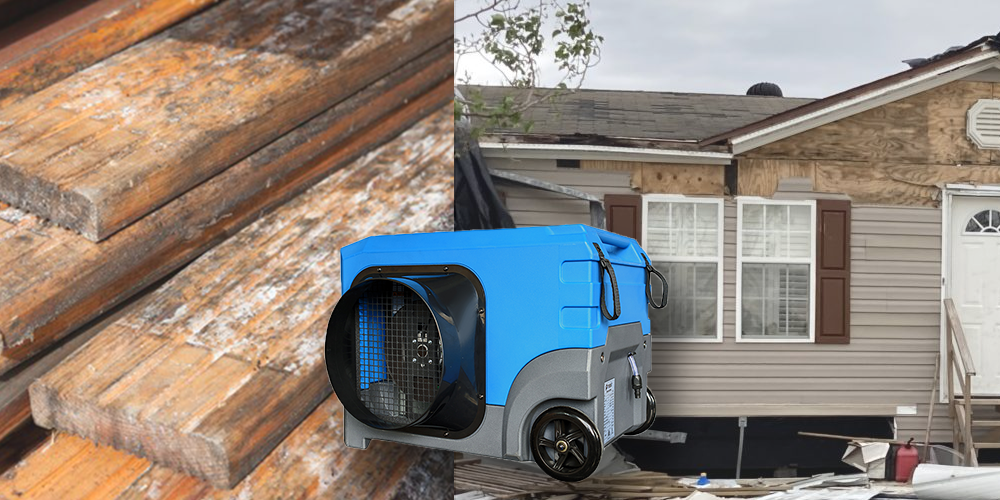
Flood Restoration in Coastal Neighborhoods Near Biscayne Bay in Rental Properties: What to Watch For
Coastal neighborhoods near Biscayne Bay, including Surfside, Bal Harbour, North Miami Beach, Aventura, Miami Shores, and nearby bayfront communities, are highly desirable for their waterfront views and tropical lifestyle. However, these areas are prone to flooding due to seasonal heavy rains, storm surges, and hurricanes. Rental property owners and managers in these neighborhoods face unique challenges when floodwater enters a unit or building.
Flood restoration in rental properties requires swift action, careful assessment, and adherence to best practices to prevent structural damage, mold growth, and health risks for tenants. Unlike owner-occupied homes, rental properties also demand consideration of tenant safety, liability, and minimizing downtime between tenants. Understanding what to watch for during flood restoration is critical to protect both property and residents.
Understanding Flood Damage in Coastal Rental Properties
Flooding in rental properties can come from multiple sources:
- Stormwater Intrusion – Heavy rains or high tides can infiltrate through windows, doors, or low-lying areas.
- Plumbing Failures – Leaks or bursts in older pipes, water heaters, or appliances can cause localized flooding.
- AC Drainage Problems – Condensation overflows or clogged drain lines can contribute to water accumulation.
- Basement or Crawl Space Infiltration – Water can enter through cracks in foundations or poorly sealed slabs.
The nature of the property—older construction, slab foundations, or multi-unit buildings—affects how water spreads and the restoration methods required.
Why Coastal Rental Properties Are Vulnerable
Several factors make flood restoration in Biscayne Bay rental properties particularly complex:
- High Humidity – Coastal air creates an environment conducive to mold growth when combined with floodwater.
- Salt Air Exposure – Salt accelerates corrosion in HVAC systems, appliances, and plumbing after flooding.
- Older Buildings – Many rental units are in mid-century or older buildings with aging infrastructure that can be easily compromised by water.
- Tenant Occupancy – Rapid tenant turnover and occupied units can complicate access for restoration and inspection.
- Insurance and Liability Considerations – Property managers must carefully document damage and restoration steps to comply with insurance requirements.
Recognizing these vulnerabilities helps owners and managers act quickly and prioritize restoration effectively.
Common Signs of Flood Damage in Rental Units
Rental property managers should be alert to signs of flooding, even if tenants do not immediately report it:
- Visible Water Accumulation – Pools of water on floors, especially in kitchens, bathrooms, or near appliances.
- Warped Flooring – Wood, laminate, and vinyl can buckle or swell due to water exposure.
- Discoloration or Staining – Ceilings, walls, and baseboards may show water stains.
- Musty Odors – Persistent damp or mildew smells indicate water absorption and potential mold growth.
- HVAC System Issues – Reduced airflow, unusual noises, or water dripping from vents can indicate condensation or flooding in ductwork.
- Rust or Corrosion – Metal fixtures, fasteners, and appliances may show early signs of deterioration.
Early detection prevents hidden damage from spreading and reduces long-term repair costs.
Hidden Flood Damage
Floodwater rarely affects only visible surfaces. Experienced inspectors know to check for hidden problems:
- Subfloor and Substrate Moisture – Water can soak under flooring, damaging subfloors or causing structural instability.
- Wall Cavities and Insulation – Drywall and insulation can absorb water, creating conditions for mold growth.
- HVAC and Ductwork Contamination – Moisture in ducts spreads odors and promotes microbial growth throughout the unit.
- Electrical System Exposure – Outlets, panels, and wiring may be compromised by water, posing safety hazards.
- Basement or Crawl Space Moisture – Even minor seepage can lead to long-term structural damage.
Identifying these hidden issues is critical for comprehensive flood restoration.
Why DIY Flood Cleanup Is Risky
Property managers may be tempted to handle minor flooding themselves, but DIY approaches often fail in rental properties due to:
- Incomplete Drying – Without professional equipment, hidden water can remain trapped behind walls or under floors.
- Mold Growth – Moisture left unchecked can cause mold within 24–48 hours.
- Electrical Hazards – Water near outlets or wiring is dangerous without proper safety measures.
- Tenant Safety Concerns – Residual contaminants can affect occupant health if not fully remediated.
Professional flood restoration ensures that water removal, drying, and mold prevention are handled safely and effectively.
The Professional Flood Restoration Process
Experienced restoration teams follow a multi-step approach to address flooding in rental properties:
- Inspection and Assessment – Technicians identify water sources, affected areas, and hidden damage.
- Water Extraction – Pumps, wet vacuums, and other tools remove standing water efficiently.
- Moisture Detection – Moisture meters and thermal imaging locate hidden water behind walls, under flooring, or in ductwork.
- Drying and Dehumidification – Industrial fans and dehumidifiers reduce humidity levels to prevent mold growth.
- Cleaning and Disinfection – Surfaces, appliances, and HVAC systems are cleaned and sanitized.
- Mold Prevention – Antimicrobial treatments are applied to vulnerable areas such as wall cavities, subfloors, and attics.
- Structural Repairs – Damaged drywall, flooring, or framing is repaired or replaced.
- Final Inspection – Technicians verify that moisture levels, odors, and contamination have been fully addressed.
This thorough approach ensures rental units are safe, habitable, and compliant with local building standards.
Preventive Measures for Coastal Rental Properties
Proactive measures can minimize flood damage and reduce restoration needs:
- Routine Plumbing Maintenance – Inspect pipes, fittings, and appliances regularly for leaks.
- AC and HVAC Care – Keep drainage lines clear and pans functional to avoid overflow.
- Seal Windows and Doors – Maintain weatherproofing to prevent stormwater intrusion.
- Monitor Humidity Levels – Use dehumidifiers in high-risk areas to limit mold growth.
- Tenant Education – Encourage tenants to report water leaks or minor flooding immediately.
- Periodic Professional Inspections – Early detection of moisture issues prevents extensive damage.
These steps are particularly important in older or bayfront rental units where water damage can escalate quickly.
Challenges Unique to Rental Properties
Flood restoration in rental units requires additional considerations:
- Tenant Safety and Relocation – Ensuring residents have a safe environment or temporary accommodations during restoration.
- Insurance Documentation – Accurate records of damage and remediation steps are essential for claims.
- Turnover Timelines – Minimizing downtime between tenants requires fast, efficient restoration.
- Access Limitations – Coordinating with tenants and property managers can complicate restoration logistics.
- Multiple Units in One Building – Water may spread between units, necessitating coordinated remediation.
Professional restoration companies are experienced in managing these logistical and safety challenges.
Why Local Expertise Matters
Flood restoration near Biscayne Bay requires familiarity with local environmental and structural factors:
- High Coastal Humidity – Increases the risk of mold and prolonged drying times.
- Salt Air Effects – Accelerates corrosion in appliances, HVAC systems, and plumbing exposed to water.
- Stormwater and Flood Patterns – Understanding tidal influence and rainwater flow informs restoration strategy.
- Older Building Materials – Plaster, slab foundations, and mid-century wood framing require specialized techniques.
Tip Top Water and Fire Damage Restoration has extensive experience managing flood restoration in Surfside, Bal Harbour, North Miami Beach, Aventura, Miami Shores, and surrounding Biscayne Bay rental properties. Their local knowledge ensures thorough, efficient restoration tailored to coastal conditions.
Conclusion
Flooding in coastal rental properties near Biscayne Bay presents complex challenges that extend beyond visible water accumulation. Hidden moisture, mold growth, structural damage, and compromised HVAC or electrical systems can all result from flood events.
Rental property managers and owners must recognize early signs of flooding, engage professional restoration services, and implement preventive measures to protect both tenants and property value. With careful inspection, moisture detection, water extraction, and proper drying, flood-affected units can be restored safely and efficiently, ensuring long-term resilience against the region’s coastal climate.