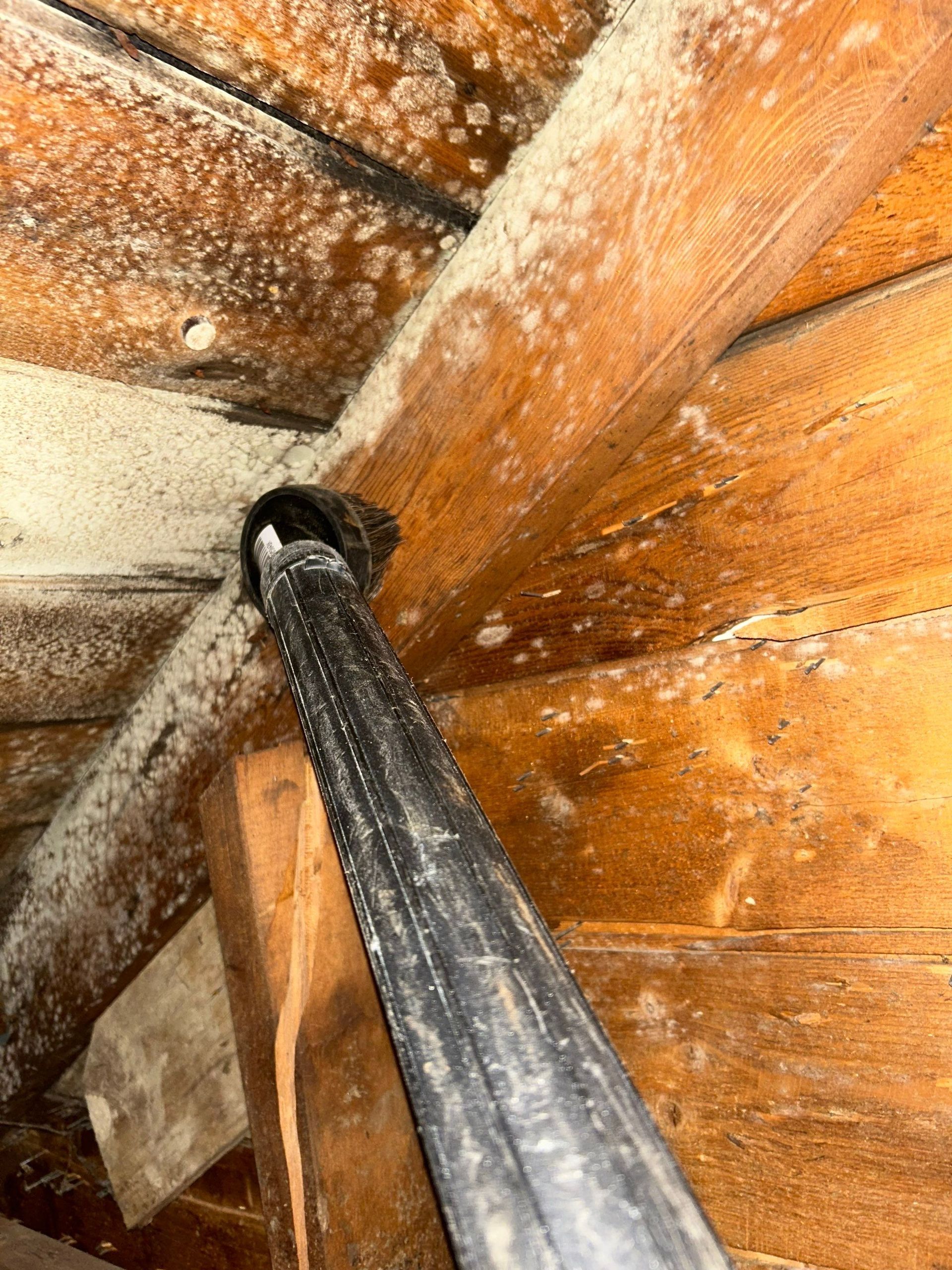
What Really Causes the Need for Mold Testing in Bayfront Homes in North Miami
Bayfront homes in North Miami offer stunning views of Biscayne Bay, easy access to the water, and a lifestyle many homeowners dream of. Yet this waterfront living comes with a unique set of environmental challenges, particularly when it comes to moisture control and mold prevention. Mold growth is one of the most common and insidious problems in coastal properties. It doesn’t always announce itself with visible signs, and in many cases, homeowners are unaware of the contamination until it has caused significant structural or health-related issues.
Mold testing in North Miami bayfront homes is not just a precaution — it’s often a necessity. The combination of high humidity, salt-laden air, aging construction materials, and potential water intrusion creates conditions that allow mold to develop quickly and persistently. Understanding what triggers the need for mold testing helps homeowners take proactive steps to safeguard their property, indoor air quality, and long-term investment.
Why Mold Is a Concern in North Miami Bayfront Homes
Mold is a type of fungus that thrives in warm, damp, and poorly ventilated environments. In bayfront properties, conditions are nearly perfect for mold growth:
- High Humidity: Coastal North Miami experiences consistent humidity levels that create a moisture-rich environment in attics, crawl spaces, and wall cavities.
- Salt Air Exposure: Salt accelerates corrosion and can deteriorate building materials, which may create tiny cracks and crevices where moisture accumulates.
- Water Intrusion: Heavy rains, flooding, or plumbing leaks allow water to penetrate structures, providing nutrients and moisture for mold colonization.
- Older Construction: Many bayfront homes were built decades ago. Aging roofs, window seals, and plumbing can allow moisture to accumulate unseen.
Even small, hidden moisture issues can lead to mold growth within 24–48 hours. Left untreated, mold can weaken structural materials, damage finishes, and affect indoor air quality.
Common Causes of Mold in Waterfront Properties
Several factors make bayfront homes particularly susceptible to mold:
1. Flooding and Stormwater Intrusion
Biscayne Bay and nearby canals can rise during storms or high tides, leading to water entering basements, crawl spaces, and slab foundations. Floodwater can saturate flooring, walls, and insulation, creating ideal conditions for mold growth.
2. Plumbing Leaks
Older homes often have aging plumbing. Slow leaks behind walls or under sinks can go unnoticed for months, providing a hidden moisture source for mold colonies.
3. Air Conditioning Issues
AC systems are essential in coastal homes but can introduce moisture if they malfunction. Condensate lines, coils, or drip pans that aren’t properly maintained can cause water to accumulate on floors or in walls, which promotes mold growth.
4. Poor Ventilation
Bayfront homes often have sealed windows to protect against salt air, which can reduce airflow. Insufficient ventilation in bathrooms, kitchens, or attics traps moisture and encourages mold development.
5. Hidden Water Damage
Small leaks from roofs, windows, or decks may go unnoticed. Moisture can seep into wall cavities, under flooring, or behind cabinetry, creating concealed mold problems that are not visible during a routine inspection.
Signs That Mold May Be Present
Mold doesn’t always make itself obvious. Homeowners may notice subtle or indirect signs, including:
- Musty or damp odors
- Discoloration on walls, ceilings, or baseboards
- Warping or buckling of floors
- Condensation on windows or walls
- Allergic reactions or respiratory irritation that worsen indoors
In many cases, these signs indicate a hidden mold problem that requires professional testing to confirm.
Why Mold Testing Is Essential
Mold testing serves multiple purposes:
- Identification: Determines the type of mold present, which may influence the remediation approach.
- Extent Assessment: Reveals hidden contamination in wall cavities, ceilings, ducts, or subflooring.
- Health Precaution: Identifies molds that may trigger allergic reactions or respiratory issues.
- Verification: Confirms the effectiveness of previous mold remediation or water damage repair.
Without testing, homeowners may be unaware of mold until structural damage or odor becomes severe.
How Coastal Weather Exacerbates Mold Growth
North Miami’s coastal climate accelerates mold issues in ways that inland environments may not experience:
- Persistent Humidity: Even after water removal, high humidity can reactivate mold spores on damp surfaces.
- Salt-Laden Air: Salt interacts with moisture and building materials, creating microenvironments conducive to fungal growth.
- Frequent Rainfall: Regular storms increase the chance of hidden water intrusion.
- Wind-Driven Moisture: Coastal breezes can push water into small openings around doors, windows, and roofing, creating new mold opportunities.
These environmental factors make proactive mold testing a critical component of home maintenance.
Professional Mold Inspection Process
Mold testing and inspection in North Miami bayfront homes typically involves:
1. Visual Assessment
A trained professional examines walls, ceilings, floors, attics, and crawl spaces for visible mold, water stains, and condensation.
2. Moisture Detection
Using moisture meters and infrared cameras, inspectors locate hidden water pockets that may harbor mold growth.
3. Air Sampling
Air samples are collected to measure airborne mold spores, which helps identify contamination even in areas where mold is not visible.
4. Surface Sampling
Swabs or tape samples may be taken from suspected surfaces to determine the type and concentration of mold present.
5. Analysis and Reporting
Samples are analyzed in a laboratory to confirm mold species and quantify contamination, guiding remediation and preventive strategies.
Why DIY Mold Testing Falls Short
Homeowners may attempt visual inspections or at-home test kits, but these methods are often unreliable:
- Limited Scope: Home tests rarely detect hidden mold behind walls or under flooring.
- Misidentification: Not all discoloration is mold; some may be staining or other fungal growths.
- Incomplete Results: Home kits cannot quantify airborne spores or identify species accurately.
Professional mold testing provides actionable data that ensures effective remediation and long-term protection.
Preventive Measures to Reduce Mold Risk
Proactive steps can minimize mold risk in bayfront homes:
- Routine AC Maintenance: Ensure condensate lines, drip pans, and coils are clean and functional.
- Plumbing Inspections: Check for leaks regularly and replace aging pipes as needed.
- Roof and Window Maintenance: Seal any openings to prevent water intrusion during storms.
- Use Dehumidifiers: Maintain indoor humidity below 55% to discourage mold growth.
- Ventilation Improvements: Install exhaust fans in bathrooms and kitchens to reduce moisture accumulation.
- Moisture Monitoring: Periodic inspections with professional moisture meters detect hidden water before mold establishes.
Implementing these preventive measures reduces the likelihood of mold development and lowers long-term remediation costs.
The Role of Local Expertise
Mold behavior in coastal North Miami homes differs from inland properties. Professionals with local experience understand:
- The impact of high humidity and salt air on building materials
- How water intrusion from storms or bay proximity affects mold growth
- Common hidden areas in slab foundations, attics, and duct systems
- Effective remediation and preventive strategies tailored to coastal homes
Tip Top Water and Fire Damage Restoration has extensive experience serving North Miami, Miami Shores, Sunny Isles Beach, and nearby waterfront neighborhoods, ensuring mold testing and remediation are both thorough and locally optimized.
Long-Term Benefits of Mold Testing
Regular mold testing in bayfront homes provides:
- Early Detection: Identifies hidden problems before structural damage occurs.
- Peace of Mind: Confirms indoor air quality and safety for residents.
- Cost Savings: Prevents expensive remediation by catching issues early.
- Verification: Ensures that past water damage repairs or mold remediation efforts were effective.
In North Miami’s coastal environment, testing is not a luxury — it is an essential step for homeowners concerned with long-term protection and property value.
Conclusion
Mold testing in North Miami bayfront homes is driven by the unique combination of environmental factors, structural challenges, and water intrusion risks. High humidity, salt air, aging construction, and proximity to Biscayne Bay create conditions where mold can develop quickly and remain hidden for months.
Proactive testing, combined with preventive maintenance like AC servicing, plumbing inspections, moisture monitoring, and ventilation improvements, helps protect property value, indoor air quality, and the health of residents. Local expertise ensures that testing is accurate, thorough, and tailored to the coastal environment.
For homeowners and property managers in North Miami waterfront communities, understanding the real causes behind mold development is the first step toward long-term protection and peace of mind. Timely testing is not just about identifying mold — it’s about preventing hidden damage, controlling costs, and maintaining the integrity of one of the most valuable investments a homeowner can make: a bayfront property.