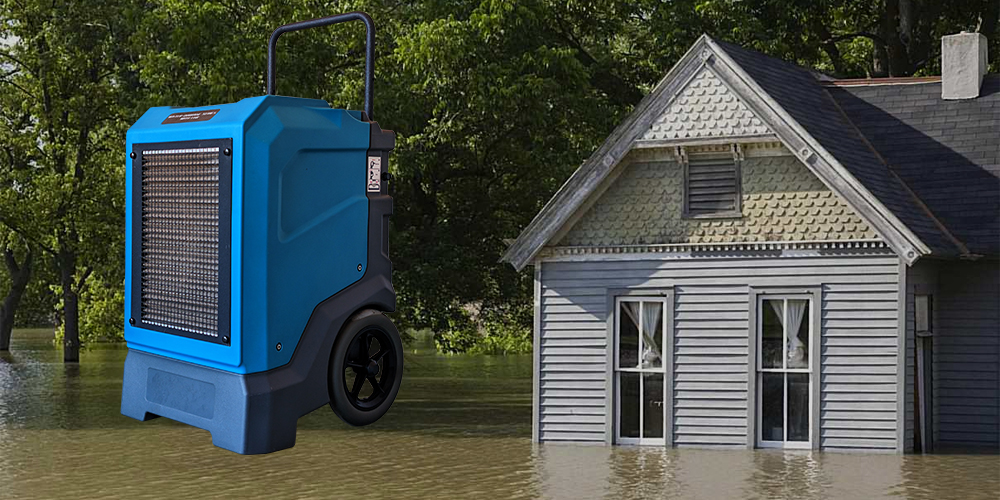
Air Duct Cleaning in North Miami Following Indoor Flooding: What to Watch For
North Miami is a vibrant coastal community known for its diverse neighborhoods, waterfront homes, and proximity to Biscayne Bay. While the city offers an idyllic lifestyle, its tropical climate, heavy seasonal rains, and low-lying geography make it particularly prone to indoor flooding. Whether caused by storm surges, heavy rainfall, or plumbing failures, water intrusion can have far-reaching consequences for residential properties. One often-overlooked area that can be severely impacted is the HVAC system — specifically, air ducts.
Flooding introduces moisture and contaminants into air ducts, creating a perfect environment for microbial growth, dust accumulation, and reduced indoor air quality. Proper air duct cleaning after flooding is essential for maintaining a healthy living environment, preventing long-term damage, and ensuring HVAC systems continue to operate efficiently. In North Miami, understanding what to watch for after indoor flooding is critical for homeowners, landlords, and property managers who want to protect their homes and investments.
Why Indoor Flooding Affects Air Ducts
Air ducts are responsible for distributing conditioned air throughout a home. When flooding occurs, several factors can compromise the cleanliness and functionality of ductwork:
- Moisture Penetration: Floodwater can infiltrate ductwork through return vents, leaks, or poorly sealed systems, leaving damp conditions inside the ducts.
- Dust and Debris Carryover: Floodwater often carries dirt, sand, and organic matter, which can accumulate in ducts and spread throughout the home when the HVAC system operates.
- Microbial Growth: Moisture inside ducts promotes the growth of mold, mildew, bacteria, and other pathogens that affect indoor air quality.
- Mechanical Strain: Wet debris in ductwork can reduce airflow, forcing the HVAC system to work harder and potentially causing long-term damage.
Because duct systems can extend throughout a home, contamination from flooding may not be immediately visible but can have serious consequences if left unaddressed.
How Coastal Weather Exacerbates the Problem
North Miami’s coastal climate intensifies post-flooding duct issues:
- High Humidity: Even after floodwaters recede, the air remains humid, which allows moisture trapped inside ducts to persist, creating an ideal environment for microbial growth.
- Heavy Rainfall and Storm Surges: Frequent storms can overwhelm drainage systems and flood low-lying areas, increasing the likelihood of water entering HVAC systems.
- Salt-Laden Air: Coastal homes are exposed to salt from the ocean, which can corrode metal ductwork, creating rough surfaces where moisture and debris collect.
This combination of environmental factors makes post-flood air duct cleaning particularly important for homes near Biscayne Bay and other low-lying neighborhoods.
Common Signs That Air Ducts Need Cleaning After Flooding
Homeowners should watch for the following indicators after indoor flooding:
- Musty or Moldy Odors: Persistent damp or earthy smells indicate microbial growth inside ducts.
- Dust or Debris Coming from Vents: Floodwater can carry sediment that settles in ductwork, which may later be blown into living spaces.
- Increased Allergic Reactions: Sneezing, coughing, or irritation indoors can be triggered by airborne spores or dust.
- Reduced HVAC Efficiency: Blocked or contaminated ducts can impede airflow, causing the system to work harder and increasing energy consumption.
- Visible Water Stains or Corrosion: Signs of moisture damage or rust on ducts suggest that flooding has compromised the system.
Noticing these signs early allows homeowners to take prompt action, reducing the risk of long-term damage and health hazards.
Professional Air Duct Cleaning Process Following Flooding
Cleaning air ducts after flooding is a specialized process that differs from routine maintenance. Professionals typically follow these steps:
1. Inspection
- Examine ductwork for visible signs of water intrusion, corrosion, and microbial growth.
- Use moisture meters and infrared cameras to detect hidden damp areas.
- Identify the source of flooding to prevent future recurrence.
2. Containment
- Seal off ductwork and affected areas using plastic sheeting and negative air pressure to prevent contaminants from spreading.
- Temporarily shut down the HVAC system to limit airflow of debris or spores during cleaning.
3. Mechanical Cleaning
- High-powered vacuums and rotating brushes remove dust, sediment, and debris from ducts.
- Special attention is given to sections that are more likely to retain water, such as low-lying runs or return vents near the floor.
4. Sanitization
- Antimicrobial treatments are applied to eliminate mold, mildew, and bacteria that may have developed in damp ducts.
- Fogging or spraying may be used in areas that are difficult to reach.
5. Component Inspection and Maintenance
- Inspect coils, drip pans, and filters for water damage and microbial contamination.
- Replace filters and clean components to restore HVAC efficiency.
6. Drying and Dehumidification
- Industrial-grade dehumidifiers and air movers are used to remove residual moisture from ductwork.
- Continuous monitoring ensures all areas are thoroughly dried to prevent regrowth of mold or mildew.
7. Post-Cleaning Verification
- Conduct air quality testing to confirm the removal of debris and microbial contaminants.
- Check airflow and system performance to ensure the HVAC system operates efficiently.
Risks of Ignoring Air Duct Cleaning After Flooding
Neglecting post-flood air duct cleaning can lead to:
- Persistent Mold Growth: Moisture left in ducts can result in hidden colonies that spread spores throughout the home.
- Reduced Air Quality: Contaminated ducts circulate allergens, dust, and microbial particles.
- Structural Damage: Moisture in ducts may drip onto ceilings, walls, or floors, causing further water damage.
- Increased Energy Costs: Blockages and reduced airflow force the HVAC system to consume more energy.
- Health Hazards: Prolonged exposure to mold spores and bacteria can trigger respiratory symptoms and allergic reactions.
Professional cleaning mitigates these risks and ensures both the safety and comfort of the home environment.
Preventive Measures Post-Flooding
In addition to cleaning, homeowners can take steps to reduce future problems:
- Regular HVAC Maintenance: Inspect and clean AC units, drip pans, and condensate lines to prevent water accumulation.
- Humidity Control: Use dehumidifiers to maintain indoor humidity below 55%.
- Seal Ductwork: Proper sealing prevents water intrusion and reduces moisture retention.
- Storm Preparation: Inspect homes for leaks, roof damage, and improper drainage prior to the rainy season.
- Immediate Water Removal: Address indoor flooding promptly to minimize moisture entering ducts and building materials.
- Moisture Monitoring: Professional inspections can detect damp areas early, preventing microbial growth.
These measures not only protect air ducts but also improve indoor air quality and overall home resilience.
Challenges Specific to North Miami
Several factors make air duct cleaning after flooding more complex in North Miami:
- Coastal Humidity: High humidity increases the likelihood of microbial growth inside ducts.
- Salt Exposure: Salt can corrode metal ducts, creating rough surfaces that trap water and debris.
- Low-Lying Neighborhoods: Proximity to Biscayne Bay and canals increases the risk of indoor flooding.
- Older Homes and High-Rises: Limited access to ductwork in older or taller structures may require specialized equipment and techniques.
Local expertise ensures that these challenges are addressed effectively and efficiently.
Why Local Professional Experience Matters
Professionals familiar with North Miami’s climate and building types can:
- Identify hidden moisture and contamination quickly
- Use cleaning methods suitable for coastal homes and high-humidity conditions
- Inspect and maintain AC components to prevent future mold or water damage
- Tailor post-flood remediation to the unique needs of residential, high-rise, and waterfront properties
Tip Top Water and Fire Damage Restoration leverages local knowledge and professional experience to restore air duct systems efficiently, ensuring long-term protection for homes in North Miami.
Long-Term Benefits of Post-Flood Air Duct Cleaning
Professional cleaning after flooding offers multiple advantages:
- Improved Indoor Air Quality: Reduces airborne dust, allergens, and microbial contaminants.
- Restored HVAC Efficiency: Clean ducts allow proper airflow, reducing energy consumption.
- Structural Protection: Prevents moisture from damaging walls, ceilings, and floors.
- Health Protection: Eliminates microbial growth that may cause respiratory issues.
- Peace of Mind: Ensures the home environment is safe, clean, and comfortable.
For North Miami homeowners, post-flood air duct cleaning is essential to protect both property and health.
Conclusion
Indoor flooding in North Miami poses significant risks to air duct systems and overall indoor air quality. High humidity, salt-laden air, and frequent storms exacerbate contamination and microbial growth in ductwork. Signs such as musty odors, dust accumulation, reduced HVAC efficiency, and water stains indicate the need for professional cleaning.
Proper post-flood air duct cleaning involves inspection, containment, mechanical cleaning, sanitization, and thorough drying. Preventive measures such as AC maintenance, humidity control, duct sealing, and prompt water removal further reduce the risk of recurring contamination. Local expertise is critical to addressing the unique environmental challenges of North Miami, ensuring safe, healthy, and efficient air circulation throughout the home.
By understanding what to watch for and acting promptly, homeowners, landlords, and property managers can protect their homes, preserve indoor air quality, and ensure the long-term resilience of their HVAC systems following flooding events.