
How Coastal Weather Influences Carpet Cleaning After Water Damage in Coastal Neighborhoods Near Biscayne Bay
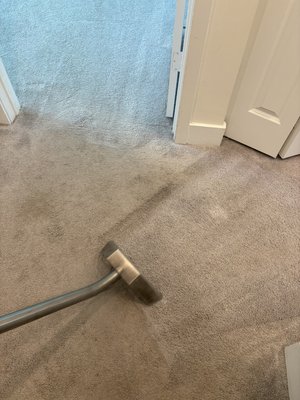
Coastal neighborhoods near Biscayne Bay are prized for their scenic waterfront views, vibrant communities, and access to Florida’s tropical lifestyle. However, the proximity to the bay and Atlantic Ocean comes with environmental challenges. High humidity, frequent rainstorms, hurricanes, and tidal surges create ideal conditions for water intrusion in homes. Among the most affected elements during water damage events is carpeting, which can absorb and retain moisture, leading to structural issues, mold growth, and lingering odors if not properly addressed.
Understanding how coastal weather influences carpet cleaning and restoration is essential for homeowners who want to maintain healthy, safe, and aesthetically pleasing interiors. This guide explores the relationship between coastal conditions and water-damaged carpets, the cleaning and restoration process, and best practices to prevent future damage.
Coastal Weather Factors That Affect Carpets
Coastal neighborhoods along Biscayne Bay experience unique weather patterns that directly impact water damage and carpet maintenance. Key factors include:
1. High Humidity
Humidity levels in coastal Florida often exceed 70–80%, especially during the summer months. Carpets absorb moisture not only from water intrusion but also from ambient humidity. High humidity slows natural drying, increases the risk of mold growth in carpet fibers and padding, and can lead to musty odors.
2. Frequent Rainstorms and Tropical Storms
Heavy rainfall can overwhelm drainage systems, flood low-lying areas, and infiltrate homes through windows, doors, or compromised roofing. Carpets in ground-level rooms, basements, or enclosed porches are particularly susceptible. Water from storms is often accompanied by dirt and debris, complicating the cleaning process.
3. Hurricanes and Flooding
Storm surges and hurricanes can introduce large volumes of water into coastal homes. Floodwaters carry contaminants that can saturate carpeting and padding. These events require urgent intervention to prevent structural damage and microbial growth.
4. Salt Exposure
Homes near the bay are exposed to salt-laden air. Salt can accumulate in carpet fibers and backing, causing premature wear, discoloration, and damage if not thoroughly cleaned after water intrusion.
5. Temperature Fluctuations
Coastal temperatures can fluctuate, influencing evaporation rates. Warm, humid conditions slow drying, while cooler conditions can trap moisture in carpets for extended periods. Effective restoration must account for these variations to prevent mold and mildew.
Why Prompt Carpet Cleaning Is Crucial
After water damage, timely and professional carpet cleaning is critical for several reasons:
- Preventing Mold and Mildew: Carpets and padding retain moisture, creating ideal conditions for mold spores to germinate within 24–48 hours.
- Protecting Structural Integrity: Moisture can seep into subflooring, causing wood to warp or laminate flooring to delaminate.
- Eliminating Contaminants: Flood or stormwater can carry dirt, bacteria, and chemical residues. Cleaning and sanitizing carpets reduces health risks.
- Preserving Aesthetic Appeal: Water damage can stain fibers and produce odors. Professional cleaning restores the carpet’s appearance and comfort.
- Maintaining Property Value: For high-value coastal homes, damaged carpets can decrease resale value and affect marketability.
The Challenges of Carpet Cleaning in Coastal Environments
Carpet restoration in Biscayne Bay neighborhoods presents specific challenges for homeowners:
- Persistent Humidity: Even after water removal, carpets and padding may remain damp due to high ambient moisture.
- Salt Residue: Salt deposits can crystallize within fibers, requiring specialized cleaning to prevent fiber degradation.
- Hidden Moisture: Water may seep beneath baseboards, into wall cavities, or under padding, making it difficult to detect without professional equipment.
- Rapid Microbial Growth: Coastal temperatures and humidity accelerate the growth of mold, mildew, and bacteria in wet carpets.
- Structural Considerations: Waterfront homes often have elevated or slab foundations, requiring careful monitoring of subfloor moisture.
DIY drying methods, such as using fans or household vacuums, are generally insufficient for addressing these challenges. Professional carpet cleaning ensures complete water removal and reduces the risk of long-term damage.
Professional Carpet Cleaning and Restoration Process
Experienced restoration professionals follow a systematic approach tailored to the conditions of coastal Florida homes:
Step 1: Inspection and Assessment
- Identify the source of water and determine whether it is clean, gray, or black water (contaminated floodwater).
- Assess carpet fibers, padding, and subflooring for moisture content and potential damage.
- Inspect for early signs of mold, mildew, or contamination.
Step 2: Water Extraction
- Use industrial-grade pumps, wet/dry vacuums, and extraction equipment to remove standing water efficiently.
- Focus on both carpet surface and padding to ensure complete moisture removal.
Step 3: Cleaning and Sanitization
- Apply professional cleaning agents to neutralize odors, remove dirt, and eliminate bacteria or contaminants.
- For salt-laden or flood-exposed carpets, specialized cleaners prevent residue buildup and fiber damage.
- HEPA filtration may be used to capture airborne spores during the cleaning process.
Step 4: Drying
- Deploy industrial air movers, dehumidifiers, and heaters to thoroughly dry carpets, padding, and subflooring.
- Monitor moisture levels continuously to ensure all affected areas are dry and safe.
Step 5: Post-Cleaning Inspection
- Verify moisture removal and check for residual odors or staining.
- Inspect subflooring for warping, rot, or other damage that could affect the carpet.
- Replace padding if compromised.
Step 6: Recommendations for Prevention
- Advise homeowners on humidity control, AC maintenance, and routine carpet care.
- Suggest preventive strategies for minimizing future water damage, such as elevating furniture and sealing gaps in flooring or baseboards.
Preventive Measures for Coastal Homes
Homeowners can take several proactive steps to reduce the risk of water damage and carpet issues in coastal environments:
- Regular AC Maintenance: Keep condensate lines and drip pans clean to prevent leaks near carpets.
- Humidity Control: Use dehumidifiers and maintain indoor humidity below 60%.
- Prompt Water Leak Response: Address leaks or spills immediately to minimize absorption into carpets.
- Elevated Flooring Options: Consider waterproof or water-resistant materials in areas prone to flooding.
- Routine Professional Carpet Cleaning: Periodic cleaning removes embedded dirt, reduces microbial growth, and identifies early water damage.
- Check Weatherproofing: Ensure windows, doors, and foundation seals prevent water intrusion during storms.
The Role of Local Expertise
Coastal neighborhoods near Biscayne Bay have unique environmental conditions that require local expertise. Restoration specialists, such as Tip Top Water and Fire Damage Restoration, understand the combination of high humidity, salt exposure, and storm-related water intrusion. Local professionals provide:
- Rapid response for water extraction and carpet drying
- Mold prevention strategies specific to coastal climates
- Assessment of structural and subfloor impact
- Guidance on long-term carpet and home maintenance in humid, flood-prone areas
Local knowledge ensures that carpet cleaning is effective, safe, and minimizes the risk of recurring water damage issues.
Conclusion
Water damage in coastal neighborhoods near Biscayne Bay can have serious consequences for carpeted flooring, including mold growth, structural damage, and persistent odors. Coastal weather conditions—high humidity, storms, hurricanes, and salt exposure—compound the challenge of effective carpet cleaning and restoration.
Professional restoration involves thorough inspection, water extraction, cleaning, drying, and post-restoration assessment to ensure carpets and subfloors are fully restored. Preventive measures, such as humidity control, routine AC maintenance, and prompt response to leaks, help reduce the likelihood of future problems.
Homeowners who understand the influence of coastal weather and invest in professional carpet cleaning after water damage can maintain healthy, safe, and visually appealing interiors, protecting both their property and long-term investment in Biscayne Bay communities.