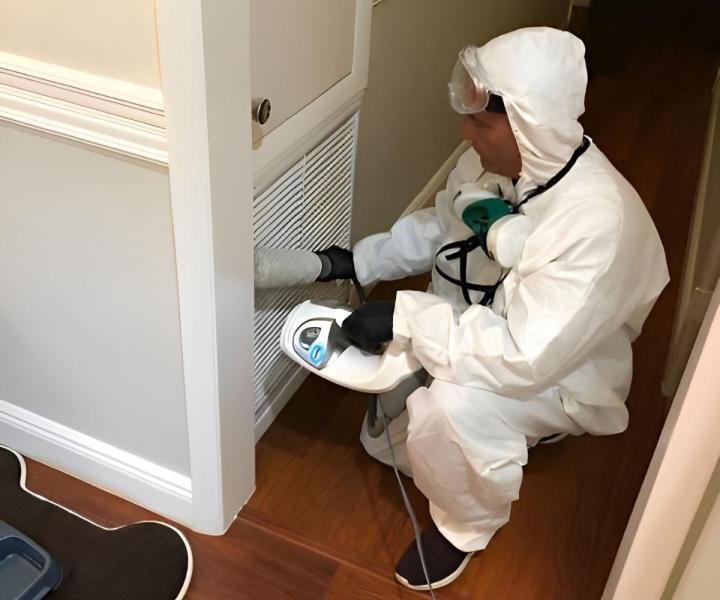
Mold Remediation in Miami Shores in Older Houses: What to Watch For
Miami Shores is a picturesque coastal community with charming older homes that reflect Florida’s architectural history. While these properties offer character and curb appeal, their age can also make them particularly susceptible to moisture issues and mold growth. For homeowners, landlords, and property managers, understanding mold remediation in older houses is critical to protecting both property and indoor air quality.
Older homes often have aging plumbing, original wood framing, older drywall, and limited ventilation—all factors that can accelerate mold growth. Combined with Miami Shores’ high humidity, seasonal storms, and occasional flooding, these conditions make mold remediation both necessary and complex. Drawing on real-world observations from local properties, this guide outlines what to watch for, the steps involved in professional mold remediation, and strategies to prevent future issues.
Why Older Homes Are Prone to Mold
Several factors make older homes in Miami Shores more vulnerable to mold:
- Aging Plumbing and Fixtures
- Leaky pipes, corroded fittings, and inefficient water heaters can introduce moisture over time.
- Slow leaks behind walls often go unnoticed, allowing hidden mold to develop.
- Original Building Materials
- Older drywall, wood framing, and plaster can absorb moisture more readily than modern materials.
- Insulation in older walls may trap dampness and provide nutrients for mold spores.
- Limited Ventilation
- Many older homes lack modern HVAC systems or mechanical ventilation.
- Poor airflow in attics, bathrooms, and kitchens can trap humidity and promote microbial growth.
- Foundation and Roof Issues
- Shifting foundations, older slab construction, or roof leaks contribute to water intrusion.
- Even minor flooding or seepage can create long-term damp conditions.
- High Humidity and Coastal Conditions
- Miami Shores’ proximity to Biscayne Bay keeps indoor humidity levels elevated year-round.
- Coastal air carries moisture and salt, which can accelerate degradation and mold proliferation.
Common Signs of Mold in Older Homes
Recognizing early signs of mold is essential for effective remediation. Homeowners should watch for:
- Musty or earthy odors, particularly in basements, attics, or closets
- Discoloration on walls, ceilings, or flooring—black, green, or white patches
- Peeling or bubbling paint and wallpaper
- Warping, soft spots, or spongy flooring and baseboards
- Condensation on windows, doors, or AC vents
- Allergic reactions among residents, such as sneezing, coughing, or eye irritation
Mold often grows in hidden areas, so absence of visible signs does not guarantee a problem-free home.
Hidden or Overlooked Sources
Older homes present several hidden locations where mold can thrive:
- Behind Walls and Baseboards: Slow leaks or condensation may create mold colonies that are invisible without professional inspection.
- Attics and Crawl Spaces: Limited ventilation in these areas often leads to persistent dampness.
- HVAC Systems and Ductwork: Dust, moisture, and older duct materials can harbor mold spores and distribute them throughout the home.
- Under Flooring: Hardwood floors, subflooring, and carpeting may retain moisture after minor flooding or spills.
- Around Windows and Doors: Poor sealing and old frames allow moisture to enter and accumulate in cavities.
Identifying these areas requires professional inspection tools such as moisture meters, thermal imaging, and air sampling.
Professional Mold Inspection and Testing
Effective mold remediation begins with a thorough inspection and testing process. In Miami Shores older homes, professionals follow these steps:
Step 1: Visual Assessment
- Technicians evaluate visible signs of mold, water damage, and structural issues.
- High-risk areas such as bathrooms, kitchens, attics, and crawl spaces are carefully examined.
Step 2: Moisture Detection
- Moisture meters and thermal imaging detect hidden damp areas behind walls, floors, and ceilings.
- This helps identify the source of water intrusion that supports mold growth.
Step 3: Air and Surface Sampling
- Swab or tape samples from surfaces, and air samples from living spaces, identify mold type and concentration.
- Testing allows targeted remediation rather than indiscriminate removal, saving time and resources.
Step 4: HVAC Evaluation
- Air ducts, vents, and AC units are inspected for microbial contamination.
- Cleaning or sanitizing these components prevents mold spores from spreading throughout the home.
Step 5: Reporting and Recommendations
- Inspectors provide a detailed report with findings, moisture readings, mold types, and remediation recommendations.
- Documentation supports insurance claims and guides restoration efforts.
Mold Remediation Process
Professional mold remediation in older homes typically follows a structured approach:
1. Containment
- Technicians isolate affected areas to prevent mold spores from spreading.
- Barriers, negative air pressure systems, and HEPA filtration ensure containment.
2. Removal of Contaminated Materials
- Porous materials such as drywall, insulation, carpets, and upholstered furniture may be removed if heavily contaminated.
- Structural elements like wood may be treated if salvageable.
3. Cleaning and Sanitization
- Hard surfaces are scrubbed and sanitized with EPA-approved antimicrobial solutions.
- HVAC systems are cleaned and sanitized to prevent cross-contamination.
4. Drying and Dehumidification
- Industrial fans, dehumidifiers, and air movers eliminate residual moisture.
- Proper drying prevents mold from returning after remediation.
5. Repairs and Restoration
- Damaged materials are replaced or repaired, including drywall, flooring, and insulation.
- Painting, sealing, and finishing restore the home to its original condition while addressing moisture vulnerabilities.
6. Post-Remediation Verification
- Follow-up testing ensures mold has been effectively removed.
- Moisture levels and air quality are monitored before areas are cleared for occupancy.
Challenges Specific to Older Miami Shores Homes
Older homes present unique challenges during mold remediation:
- Hidden Moisture: Outdated construction and inaccessible spaces often hide dampness.
- Fragile Materials: Older wood, plaster, and finishes require careful handling during remediation.
- HVAC and Ductwork Complexity: Older or segmented systems may require specialized cleaning methods.
- Historical Preservation: In some cases, homeowners want to preserve original features while addressing mold, requiring customized remediation plans.
Preventive Strategies
Preventing mold growth after remediation is critical, especially in older homes:
- Monitor Humidity Levels
- Maintain indoor relative humidity between 45–55%.
- Use dehumidifiers in bathrooms, kitchens, attics, and crawl spaces.
- Routine Inspections
- Inspect attics, basements, crawl spaces, and HVAC systems periodically.
- Check for leaks, condensation, or early signs of mold.
- HVAC Maintenance
- Schedule annual inspections, duct cleaning, and filter replacement.
- Ensure condensate lines and drip pans are functioning correctly.
- Prompt Water Damage Response
- Address leaks, flooding, or AC condensation immediately.
- Remove or dry wet materials within 24–48 hours to prevent mold growth.
- Proper Ventilation
- Use exhaust fans in bathrooms, kitchens, and laundry areas.
- Open windows when outdoor humidity is lower than indoors to improve airflow.
- Educate Occupants
- Teach residents to report water intrusion, musty odors, or visible mold immediately.
Lessons from Real Miami Shores Properties
Local observations provide valuable insights for homeowners:
- Hidden moisture behind walls and under flooring is the most common cause of persistent mold.
- Rapid response after leaks or flooding reduces remediation costs and prevents structural damage.
- Combining mold remediation with HVAC cleaning, moisture control, and preventive maintenance ensures long-term results.
- Professional inspection and testing are essential in older homes where construction materials may hide mold growth.
Practical Recommendations
- Schedule professional mold inspections regularly, especially after flooding, AC leaks, or heavy rain.
- Maintain HVAC systems, ducts, and filters to prevent airborne mold contamination.
- Address minor leaks and condensation immediately to prevent hidden growth.
- Use dehumidifiers and proper ventilation to control indoor moisture.
- Educate family members or tenants about early mold warning signs.
- Document all inspections and remediation efforts for insurance and future maintenance.
By following these guidelines, homeowners in Miami Shores older houses can protect their properties, maintain safe indoor air quality, and prevent long-term damage from mold.