A Property Owner’s Guide to Mold Testing in North Miami Beach
North Miami Beach is a thriving coastal community known for its waterfront homes, high-rise condos, and tropical climate. While these properties provide exceptional living experiences, the area’s humidity, coastal breezes, and seasonal rains also create ideal conditions for mold growth. For homeowners, landlords, and property managers, understanding mold testing is essential for protecting indoor air quality, structural integrity, and long-term property value.
This guide provides a comprehensive, real-world perspective on mold testing in North Miami Beach properties. Drawing from local observations, it explores the causes of mold, signs to watch for, testing methods, the professional mold remediation process, and preventive strategies for maintaining a safe and healthy home environment.
Why Mold Testing Matters
Mold is a type of fungus that grows in damp, humid environments. While small amounts of mold spores are naturally present in the air, excessive growth inside a home can lead to health risks, odors, and structural damage. In North Miami Beach, mold can develop quickly due to:
- High humidity levels that persist year-round
- AC condensation in older or poorly maintained units
- Stormwater intrusion and minor flooding
- Leaks in plumbing, roofs, and windows
- Coastal air moisture combined with salt exposure
Mold testing allows property owners to identify contamination early, assess its severity, and plan for effective remediation before extensive damage occurs.
Common Causes of Mold in North Miami Beach Properties
1. Humidity and Coastal Climate
- North Miami Beach’s proximity to the Atlantic Ocean keeps indoor humidity elevated.
- High humidity accelerates microbial growth on walls, ceilings, and in HVAC systems.
2. Aging Infrastructure
- Older homes may have original drywall, wood framing, or insulation that absorbs moisture.
- Plumbing leaks or condensation behind walls can remain undetected for months.
3. Water Intrusion
- Heavy rains or storms can introduce water into basements, attics, or lower-level units.
- Even minor leaks can create hidden damp pockets ideal for mold colonization.
4. HVAC and Ductwork Contamination
- AC units, vents, and ducts can harbor moisture, dust, and mold spores.
- Contaminated ducts circulate allergens and spores throughout the home.
Signs That Mold Testing Is Needed
Property owners should consider testing when one or more of the following signs are present:
- Persistent musty or earthy odors in specific rooms or throughout the home
- Visible mold growth on walls, ceilings, or flooring
- Bubbling or peeling paint and wallpaper due to moisture
- Warping or soft spots in flooring or baseboards
- Condensation on windows, doors, or AC vents
- Health complaints such as sneezing, coughing, or eye irritation
- Reduced efficiency or airflow from the HVAC system
Testing is particularly important when mold is suspected in hidden or hard-to-reach areas, such as behind walls, under flooring, or within ductwork.
Professional Mold Testing Methods
Professional mold testing in North Miami Beach involves a combination of visual inspection, sampling, and analysis. Common methods include:
1. Visual Assessment
- Technicians inspect visible surfaces for mold growth, water damage, and signs of moisture.
- Areas prone to dampness, such as bathrooms, kitchens, attics, and crawl spaces, are closely examined.
2. Moisture Detection
- Moisture meters and thermal imaging identify hidden damp areas behind walls, ceilings, and floors.
- Detecting moisture is critical because mold cannot grow without it.
3. Air Sampling
- Air samples capture mold spores present in the indoor environment.
- Laboratory analysis determines the type and concentration of mold present.
4. Surface Sampling
- Swabs or tape samples from walls, ceilings, or HVAC components help identify mold species.
- Surface testing confirms contamination even when spores are not airborne.
5. HVAC System Evaluation
- Ducts, vents, and AC units are inspected for microbial growth.
- Contaminated components are often included in the remediation plan.
Understanding Test Results
Mold test results provide property owners with critical information:
- Mold Type: Identifies specific species, including black mold, which may require specialized remediation.
- Concentration Levels: Measures the density of spores in the air or on surfaces.
- Source Identification: Highlights areas of active growth or hidden moisture.
- Remediation Planning: Guides professionals in determining the scope and methods required to remove mold safely.
Professional testing is essential for accuracy. Home test kits often provide incomplete or misleading results, particularly in older or coastal homes where hidden moisture is common.
The Mold Remediation Process
Once testing confirms mold presence, professional remediation follows a structured approach:
Step 1: Containment
- Affected areas are isolated to prevent spores from spreading.
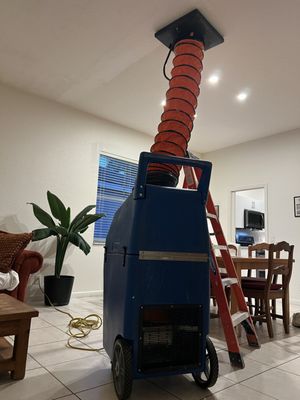
- Negative air pressure and HEPA filtration help control airborne contaminants.
Step 2: Removal of Contaminated Materials
- Porous materials such as drywall, insulation, carpeting, and upholstery may need to be removed.
- Salvageable wood or hard surfaces are cleaned and sanitized.
Step 3: Cleaning and Disinfection
- Hard surfaces are scrubbed with EPA-approved antimicrobial solutions.
- HVAC components are sanitized to prevent further airborne contamination.
Step 4: Drying and Dehumidification
- Industrial fans, dehumidifiers, and air movers remove residual moisture.
- Proper drying prevents mold from re-establishing.
Step 5: Repairs and Restoration
- Damaged materials are replaced or repaired, including flooring, drywall, and insulation.
- Painting, sealing, and finishing restore the home to its pre-contamination condition.
Step 6: Post-Remediation Verification
- Follow-up testing ensures mold has been effectively removed.
- Moisture levels and IAQ are monitored to confirm long-term stability.
Challenges in North Miami Beach Properties
Mold remediation in this region presents unique challenges:
- Hidden Moisture: Leaks behind walls or under flooring may go unnoticed for months.
- High Humidity: Coastal humidity prolongs drying times and increases the risk of recurrence.
- Older Construction: Aging drywall, wood, and insulation are more susceptible to mold absorption.
- HVAC Complexity: Older or high-rise duct systems require specialized cleaning to prevent spread.
Preventive Strategies for Property Owners
Preventing mold growth after testing and remediation is critical:
- Regular Inspections
- Monitor attics, crawl spaces, and HVAC systems for signs of moisture or mold.
- Control Indoor Humidity
- Use dehumidifiers to maintain relative humidity below 55%.
- Ensure AC systems are properly draining condensation.
- Prompt Leak Repair
- Fix plumbing, roof, and window leaks immediately.
- Dry any wet areas within 24–48 hours.
- HVAC Maintenance
- Schedule annual inspections, duct cleaning, and filter replacement.
- Clean drip pans and condensate lines regularly.
- Educate Occupants
- Teach tenants or family members to report musty odors or water issues promptly.
- Encourage proper ventilation in bathrooms, kitchens, and laundry areas.
- Ongoing Monitoring
- Consider installing moisture or humidity sensors for early detection.
- Periodic professional IAQ assessments help identify hidden issues before they escalate.
Benefits of Proactive Mold Testing
By investing in professional mold testing and remediation, property owners in North Miami Beach can:
- Protect occupant health and comfort
- Preserve structural integrity and prevent costly damage
- Ensure HVAC systems operate efficiently
- Reduce musty odors and improve indoor air quality
- Maintain property value and tenant satisfaction
- Gain peace of mind in a coastal, high-humidity environment
Practical Recommendations
- Schedule professional mold testing after flooding, leaks, or prolonged humidity exposure.
- Maintain HVAC systems and replace filters on schedule.
- Address water intrusion immediately to prevent hidden mold growth.
- Use dehumidifiers and ventilation to control indoor humidity.
- Educate occupants on early warning signs and encourage reporting.
- Conduct periodic inspections and testing for ongoing protection.
Timely mold testing, combined with professional remediation and preventive maintenance, ensures North Miami Beach properties remain safe, healthy, and structurally sound, even in the face of coastal humidity and seasonal storms.