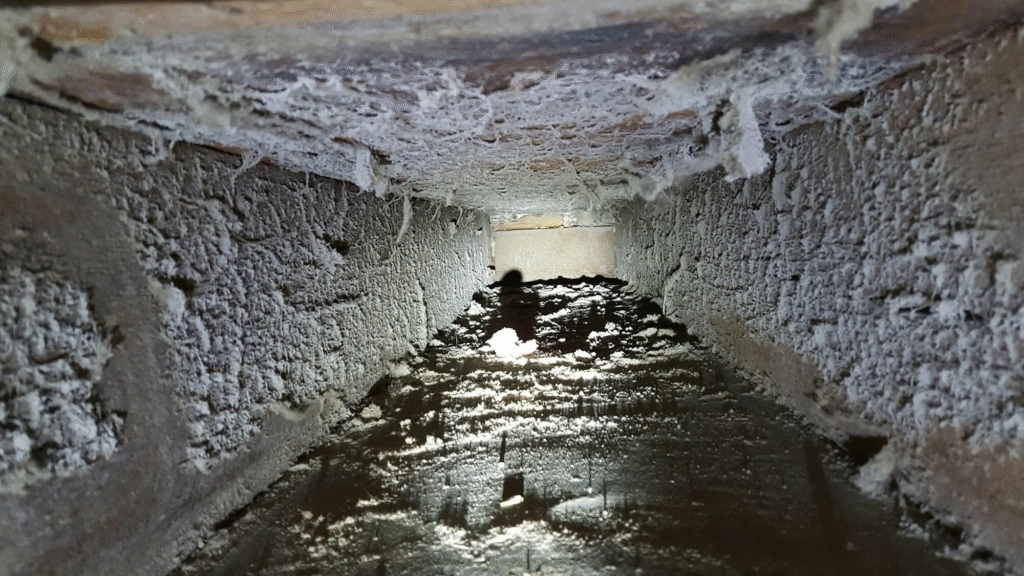
Why Air Duct Cleaning Becomes Necessary in Biscayne Park After Plumbing Failures
Plumbing failures are a common issue in Biscayne Park, especially in older homes where pipes, fittings, and valves have been in place for many years. While most homeowners focus on repairing the leak and drying visible water damage, one important area is often overlooked: the air duct system. Moisture from plumbing leaks can travel into ducts, insulation, and ventilation components, creating conditions where air duct cleaning becomes necessary.
Understanding why this happens helps homeowners prevent mold growth, maintain indoor air quality, and keep HVAC systems operating efficiently.
How Plumbing Failures Affect Air Duct Systems
When a plumbing leak occurs, water does not always stay confined to one area. Moisture can spread through ceilings, walls, and structural cavities, eventually reaching ductwork located in attics, ceilings, or mechanical spaces.
Duct systems are particularly vulnerable because:
- Duct insulation absorbs moisture easily
- Air handlers and ducts are often located near plumbing lines
- Ceiling cavities allow water to travel unnoticed
- Airflow spreads moisture and particles throughout the system
Once ducts become damp, dust and organic particles inside them can create conditions suitable for microbial growth and odors.
Why This Problem Is Common in Biscayne Park Homes
Several local factors increase the likelihood that plumbing leaks will affect HVAC systems in Biscayne Park.
Older Construction
Many homes in the area were built decades ago, and plumbing systems may run through ceiling cavities where ductwork is also installed.
High Humidity
South Florida’s humidity slows drying. Even after a leak is repaired, moisture may remain trapped inside ducts or insulation.
Limited Ventilation in Enclosed Spaces
Mechanical closets and attic areas often have limited airflow, allowing moisture to linger longer.
Frequent AC Operation
Air conditioning systems run regularly in Biscayne Park, which can circulate humid air and spread particles from damp ducts.
These conditions make duct inspections important after any plumbing failure.
Signs That Air Duct Cleaning May Be Needed
After a plumbing leak, several signs may indicate that ductwork has been affected.
Common warning signs include:
- Musty odors when the AC runs
- Increased dust near vents
- Higher indoor humidity
- Reduced airflow in certain rooms
- Visible stains near ceiling vents
- Persistent odors even after drying the affected area
These symptoms often mean moisture or debris has entered the ventilation system.
How Moisture Inside Ducts Creates Problems
Duct systems are designed to circulate air, not handle moisture. When moisture enters ducts, several issues can develop.
Dust and Debris Become Damp
Dust naturally accumulates inside ducts over time. When it becomes damp, it can stick to surfaces and restrict airflow.
Odors Develop
Moisture trapped in ducts can create persistent musty smells that spread throughout the home.
Airflow Efficiency Drops
Wet insulation or debris inside ducts can reduce airflow, making the HVAC system work harder to cool the home.
Indoor Air Quality Declines
Particles from damp ducts may circulate through living spaces, affecting comfort and cleanliness.
Cleaning and drying ducts helps restore proper airflow and air quality.
Hidden Areas Where Moisture Often Remains
One of the biggest challenges after plumbing failures is that moisture often remains hidden. Duct systems are frequently located in areas that are difficult to access or inspect visually.
Moisture may remain in:
- Flexible duct insulation
- Metal duct seams
- Ceiling cavities surrounding vents
- Air handler compartments
- Attic duct runs
Without proper inspection, these areas may remain damp long after visible water is gone.
The Air Duct Cleaning Process Explained
Air duct cleaning after plumbing failures involves more than simply removing dust. The process is designed to eliminate debris, address moisture, and restore proper airflow.
Typical steps include:
Inspection of the Duct System
Technicians check ducts, vents, and air handlers to identify moisture, debris, or contamination.
Removing Dust and Debris
Specialized equipment is used to remove accumulated dust and particles from duct surfaces.
Drying Damp Components
If moisture is present, drying equipment may be used to remove trapped humidity from ducts and surrounding materials.
Cleaning Vents and Registers
Supply and return vents are cleaned to remove residue and improve airflow.
Checking Airflow and Ventilation
Technicians verify that airflow is balanced and that no restrictions remain.
Professionals experienced in local conditions, such as Tip Top Water and Fire Damage Restoration, often emphasize drying as part of duct cleaning because humidity in Biscayne Park can slow evaporation.
Why Cleaning Ducts Helps Prevent Mold
Moisture inside ductwork creates an environment where mold can develop. Once mold begins forming in ducts, spores may circulate through the entire home.
Cleaning and drying ducts help:
- Remove dust that supports growth
- Eliminate trapped moisture
- Improve airflow and ventilation
- Reduce the risk of future mold problems
Addressing ducts early often prevents more extensive remediation later.
The Impact on HVAC Performance
Dirty or damp ducts do not just affect air quality—they also affect system performance. Air conditioners must work harder when airflow is restricted, which may increase energy use and wear on components.
After duct cleaning, homeowners often notice:
- More consistent cooling
- Improved airflow
- Reduced odors
- Lower indoor humidity
These improvements help extend the life of HVAC systems.
Preventing Future Duct Problems After Plumbing Repairs
Once plumbing leaks have been repaired and ducts cleaned, several preventive steps help reduce the likelihood of recurring issues.
Helpful measures include:
- Inspect ceilings and vents after leaks
- Schedule HVAC inspections periodically
- Clean or replace air filters regularly
- Ensure attic and mechanical spaces are ventilated
- Address small plumbing leaks promptly
Routine maintenance helps detect moisture problems before they spread to duct systems.
Why Local Experience Matters
Air duct cleaning in Biscayne Park requires understanding how coastal humidity, older homes, and plumbing layouts affect moisture movement. Moisture behaves differently in humid environments, and hidden damp areas are more common.
Professionals who regularly work in Biscayne Park, North Miami, and Miami Shores are familiar with these conditions and know where moisture is most likely to accumulate in duct systems. Local experience often leads to more thorough cleaning and better long-term results.
A Practical Perspective for Homeowners
Plumbing failures often create problems beyond visible water damage. Moisture can spread into duct systems, affecting airflow, indoor air quality, and overall comfort. Recognizing early warning signs and scheduling inspections after leaks can prevent long-term issues and costly repairs.
By understanding why air duct cleaning becomes necessary after plumbing failures, homeowners in Biscayne Park can protect their HVAC systems, maintain cleaner indoor air, and prevent hidden moisture from turning into larger problems.