Why Mold Remediation Becomes Necessary in Surfside in High-Rise Condos
Surfside is known for its ocean views, modern buildings, and high-rise living. But behind the clean finishes and sealed windows, moisture problems can develop in ways many condo owners don’t expect. Mold remediation becomes necessary in these buildings more often than people realize, and the reasons are closely tied to coastal climate, building design, and how high-rise systems operate.
What Mold Remediation Is and Why It Becomes Necessary
Mold remediation is the process of identifying, containing, and removing mold growth while correcting the moisture source that caused it. In high-rise condos, mold often forms inside walls, ceilings, duct systems, or under flooring where humidity or condensation persists.
Unlike surface mildew that can be wiped away, deeper mold growth spreads through porous materials. When drywall, insulation, or wood framing becomes contaminated, professional remediation is usually required to fully remove the problem.
Why This Happens So Often in Surfside
Surfside’s location along the Atlantic Ocean creates ideal conditions for indoor moisture buildup. Condo buildings in Surfside, Bal Harbour, and Sunny Isles Beach face constant exposure to humid coastal air. Even when windows remain closed, humidity can enter through small gaps, ventilation systems, or during daily use of bathrooms and kitchens.
Several factors make high-rise condos especially vulnerable:
- Continuous humidity from ocean air
- Condensation from powerful air conditioning systems
- Limited natural ventilation compared to single-family homes
- Shared walls and ceilings where moisture can migrate
- Plumbing lines running vertically through multiple units
When moisture becomes trapped in these environments, mold growth can begin quietly and spread before visible signs appear.
Common Signs Condo Owners Notice
In high-rise units, mold problems often start subtly. Owners may notice small changes before realizing the cause.
Typical warning signs include:
- A persistent musty odor
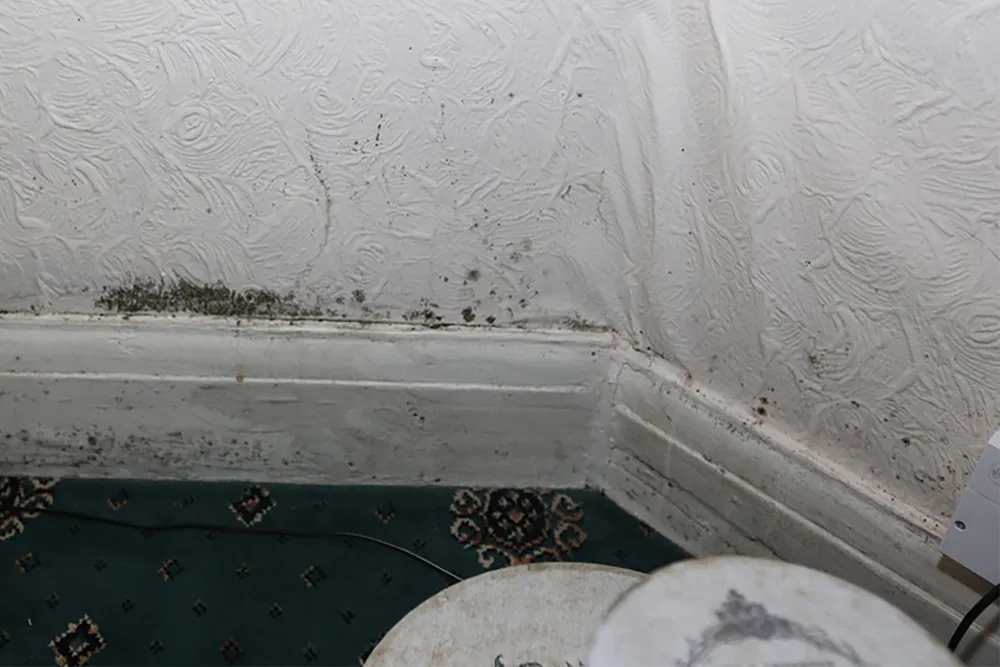
- Dark spotting near air vents or ceiling edges
- Paint bubbling or peeling
- Damp areas around baseboards
- Warping or staining near windows or balcony doors
These signs are easy to overlook, especially in well-maintained buildings where surfaces are cleaned frequently. But even small patches of mold can indicate a larger hidden issue.
Hidden or Overlooked Sources in High-Rise Buildings
Many mold problems in Surfside condos come from moisture sources that are not immediately visible.
Some of the most common include:
- Condensation forming inside exterior walls
- AC drain line clogs or improper drainage
- Small leaks from neighboring units above
- Moisture inside ductwork
- Bathroom exhaust systems that do not fully remove humidity
- Window seal failures caused by salt air exposure
In taller buildings, plumbing stacks and chilled water lines can also create condensation within wall cavities, especially when insulation ages or shifts.
Why DIY Mold Removal Usually Fails
Condo owners sometimes attempt to clean mold with household cleaners or bleach. While this may remove surface staining temporarily, it rarely addresses the deeper issue.
Mold roots penetrate porous materials, and moisture trapped behind walls or under flooring allows growth to return. Without identifying and correcting the moisture source, cleaning alone is rarely effective.
Another challenge in high-rise environments is air movement. Disturbing mold without proper containment can spread spores through HVAC systems or adjacent rooms.
This is why professional remediation focuses on both removal and moisture control.
Professional Mold Inspection and Testing Explained
A proper inspection is the first step in determining the extent of a mold issue. In high-rise condos, inspections often include:
- Moisture mapping of walls and ceilings
- Thermal imaging to detect hidden damp areas
- Inspection of HVAC components and ductwork
- Checking plumbing penetrations and window assemblies
- Air or surface testing when needed
Inspections in Surfside frequently reveal that moisture problems are not limited to one location. Multiple small areas of condensation or leaks may contribute to mold growth over time.
Proper Mold Removal and Remediation Process
When remediation is necessary, a structured approach ensures the problem is removed safely and effectively.
The process typically involves:
- Isolating the affected area to prevent spore spread
- Using filtration equipment to control airborne particles
- Removing contaminated materials when required
- Cleaning and treating structural surfaces
- Thorough drying and moisture verification
- Repairing and restoring affected areas
This systematic approach helps ensure mold does not return after remediation is complete.
Flood Restoration and Water Damage Repair in Condos
Although flooding is often associated with ground-level homes, high-rise condos are not immune to water damage. Overflowing appliances, burst pipes, and plumbing failures in upper floors can send water through ceilings and walls.
In Surfside and nearby North Miami Beach, restoration teams frequently respond to:
- Washing machine or dishwasher leaks
- HVAC drain overflows
- Pipe failures inside shared utility shafts
- Balcony drainage issues after heavy storms
Water damage repair in these situations requires rapid drying and moisture monitoring to prevent mold from forming within 24–48 hours.
Air Ducts, AC Systems, and Mold
Air conditioning systems play a major role in mold growth in coastal condos. While AC units remove humidity, they also produce condensation. If drain lines clog or airflow becomes restricted, moisture can accumulate in ducts or near air handlers.
Signs of HVAC-related moisture issues include:
- Musty odors when the AC runs
- Dark residue around vents
- Uneven cooling or excess humidity
Routine maintenance and periodic duct cleaning help reduce the risk of mold growth in these systems.
How Condo Owners Can Prevent Mold Problems
Preventive maintenance is the most effective way to reduce the need for mold remediation.
Helpful steps include:
- Keeping indoor humidity levels controlled
- Running bathroom exhaust fans after showers
- Inspecting windows and balcony doors regularly
- Servicing air conditioning systems annually
- Reporting plumbing leaks immediately
- Scheduling periodic moisture inspections
These measures are especially important in oceanfront buildings where humidity remains high year-round.
Why Local Experience Matters
Mold behavior in coastal high-rise buildings differs from inland homes. Salt air, wind-driven rain, and heavy AC use all influence how moisture moves through structures.
Professionals familiar with Surfside, Bal Harbour, and Sunny Isles Beach understand these patterns and know where to look first. That local knowledge often allows faster identification of hidden moisture sources.
Tip Top Water and Fire Damage Restoration has worked in many high-rise environments across North Miami, Miami Shores, and surrounding coastal communities, where condensation, plumbing migration, and duct moisture are among the most frequent causes of mold growth.
A Practical Approach to Protecting Your Condo
Mold remediation becomes necessary in Surfside condos most often when small moisture issues go unnoticed for long periods. The earlier moisture is detected, the easier and less expensive repairs usually are.
Regular inspections, AC maintenance, and prompt attention to leaks help prevent small problems from becoming major remediation projects. In a humid coastal environment, controlling moisture is the most reliable way to protect both the structure of a condo and the long-term value of the property.