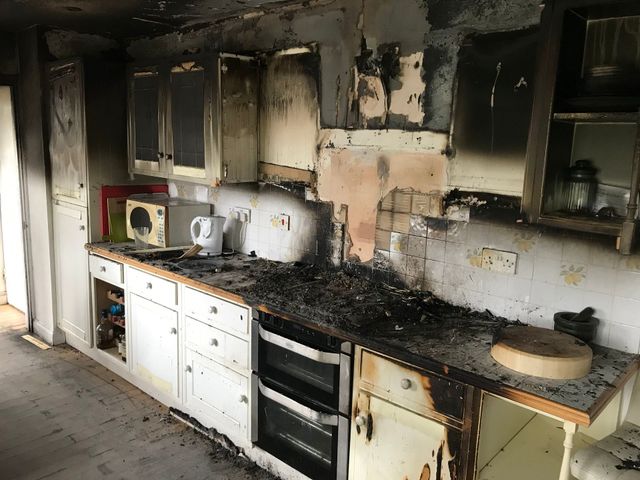
Property Maintenance Insights: Smoke Damage Cleanup in North Miami
Smoke damage is one of those problems that many property owners underestimate at first. In North Miami, even a small kitchen fire, electrical issue, or appliance malfunction can leave behind smoke residue that spreads through an entire home. Because of the area’s humidity, sealed interiors, and frequent use of air conditioning, smoke particles often linger longer than expected.
What Smoke Damage Really Means for a Property
Smoke damage is not limited to visible soot or burn marks. When materials burn, they release microscopic particles that travel through the air and settle onto surfaces. These particles often penetrate porous materials, including:
- Drywall and paint
- Carpets and padding
- Ceiling tiles and insulation
- Cabinets and wood trim
- Air ducts and HVAC systems
In North Miami’s humid climate, these particles bond more strongly to surfaces, making cleanup more complex if not handled properly.
Why Smoke Damage Is Common in North Miami
Several local conditions contribute to the persistence of smoke damage in homes and buildings across North Miami, Biscayne Park, and Miami Shores.
Key factors include:
- High humidity that traps odor and residue
- Continuous AC operation that circulates air
- Limited natural ventilation in many homes
- Older construction with porous materials
- Close residential spacing where smoke can spread
Humidity plays a major role. Moist air allows soot to cling to walls, ceilings, and fabrics, making odors more difficult to remove.
Common Situations That Lead to Smoke Damage Cleanup
Smoke damage does not always result from major fires. Many cleanup projects in North Miami begin with relatively small incidents.
Frequent causes include:
- Grease fires on stovetops
- Electrical malfunctions
- Overheated appliances
- Burned food incidents
- Small garage or outdoor equipment fires
Even when flames are extinguished quickly, smoke can spread through ventilation systems and settle in multiple rooms.
Signs That Smoke Cleanup May Be Necessary
After a smoke incident, property owners may notice subtle warning signs before realizing the extent of contamination.
Typical signs include:
- Persistent smoky or burnt odor
- Yellow or gray film on walls or ceilings
- Discoloration near vents or light fixtures
- Odor trapped in closets or cabinets
- Lingering smell in fabrics or carpets
These signs often indicate that smoke particles have traveled farther than visible staining suggests.
Hidden Areas Where Smoke Residue Collects
One of the main challenges of smoke damage cleanup is that residue often spreads into areas homeowners rarely inspect.
In North Miami homes, soot commonly accumulates in:
- HVAC ducts and return vents
- Attic insulation
- Wall cavities
- Carpet padding and subflooring
- Behind appliances and cabinetry
Air conditioning systems can pull smoke into ductwork and distribute it throughout the home, making cleanup more extensive than expected.
Why DIY Smoke Cleanup Often Falls Short
Homeowners sometimes attempt to remove smoke damage using household cleaners or repainting. While this may improve appearance temporarily, odors often return.
DIY cleaning is usually ineffective because:
- Smoke particles penetrate porous materials
- Hidden contamination remains untreated
- Odor molecules stay embedded in surfaces
- HVAC systems continue circulating residue
Painting over smoke-damaged surfaces without proper cleaning can trap odor beneath the paint, allowing it to reappear later.
Professional Inspection and Evaluation
A thorough inspection is essential to determine how far smoke has spread and what materials are affected.
Inspections typically involve:
- Checking soot patterns on surfaces
- Inspecting ceilings, walls, and flooring
- Evaluating HVAC systems and ductwork
- Examining attic spaces and ventilation areas
- Identifying materials that may require deep cleaning or replacement
In North Miami properties, inspections often reveal that smoke particles have traveled into multiple rooms through air circulation.
The Proper Smoke Damage Cleanup Process
Effective smoke cleanup follows a structured process designed to remove residue completely and eliminate odors.
Typical steps include:
- Removing loose soot and debris
- Cleaning surfaces using appropriate methods
- Treating materials to neutralize odors
- Cleaning HVAC ducts when necessary
- Drying and ventilating affected areas
- Verifying that odors have been eliminated
This process helps prevent long-term staining and recurring odor problems.
Water Damage Often Accompanies Smoke Damage
In many situations, water used to extinguish a fire creates additional problems. Water and soot combine to form a sticky residue that penetrates deeper into materials.
If drying is delayed, mold growth can begin within a short time, especially in warm and humid climates like North Miami.
Water removal and structural drying are often necessary parts of smoke damage restoration.
Air Ducts and HVAC Systems After Smoke Exposure
Air ducts are one of the most important areas to inspect after a smoke event. Once smoke enters a duct system, it can continue circulating odors long after visible damage is cleaned.
Signs that duct systems may need attention include:
- Smoke odor when the AC runs
- Residue around vents
- Uneven air quality between rooms
Cleaning duct systems helps restore indoor air quality and prevents odors from returning.
Preventing Future Smoke Damage Problems
While fires cannot always be prevented, property owners can take steps to reduce long-term damage and recurring issues.
Helpful preventive measures include:
- Addressing smoke residue immediately
- Replacing HVAC filters after smoke exposure
- Inspecting attics and ventilation areas
- Maintaining electrical systems and appliances
- Scheduling periodic property inspections
These steps help minimize long-term effects and maintain indoor comfort.
Why Local Experience Matters
Smoke damage behaves differently in coastal environments than in dry inland regions. Humidity, salt air, and constant air conditioning all influence how smoke particles spread and settle.
Professionals familiar with North Miami, North Miami Beach, and Surfside understand these local conditions and know where hidden contamination is most likely to occur.
Tip Top Water and Fire Damage Restoration has worked in many homes throughout North Miami and nearby communities, where humidity and ventilation patterns often allow smoke to travel farther than expected.
A Practical Approach to Protecting Your Property
Smoke damage can seem minor at first, but residues and odors often persist if cleanup is incomplete. Acting quickly, inspecting hidden areas, and following proper cleaning methods help prevent long-term structural and air quality problems.
In North Miami’s coastal environment, thorough cleanup and moisture control are essential for maintaining a safe and comfortable indoor space and protecting property value over time.