
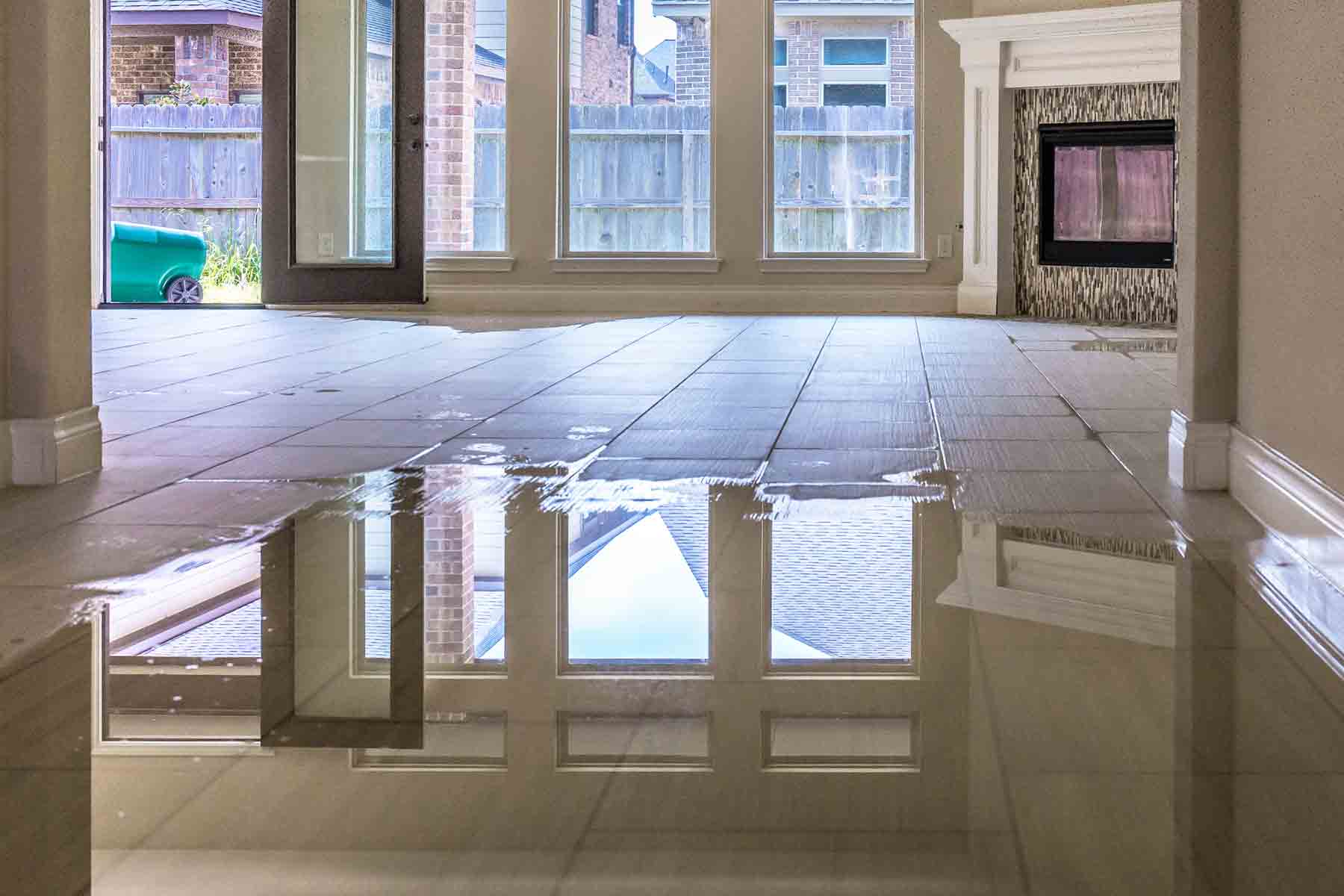
Water Removal in North Miami Beach: A Practical Home Maintenance Guide
Water intrusion is one of the most common challenges homeowners in North Miami Beach face. While many people associate water damage only with hurricanes or extreme storms, most water removal situations actually begin with smaller, everyday issues such as plumbing failures, appliance leaks, or drainage problems. In a coastal environment where humidity is already high, even minor water intrusion can quickly lead to structural damage and mold growth if not addressed properly.
A practical understanding of water removal and maintenance helps property owners protect their homes, avoid expensive repairs, and maintain safe indoor living conditions. Knowing what to watch for and how to respond when water enters your home is key to long-term property care.
How Water Damage Typically Starts in North Miami Beach Homes
Water damage rarely begins with dramatic flooding. In many North Miami Beach homes and condominiums, water intrusion develops slowly and goes unnoticed at first.
Common sources of indoor water problems include:
• Plumbing leaks inside walls or under floors
• Water heater failures
• Overflowing washing machines or dishwashers
• Refrigerator water line leaks
• Roof leaks during heavy rain
• Window or balcony water intrusion
• Neighboring condo unit leaks
• AC condensation problems
Because these events often start small, homeowners may not notice water spreading beneath flooring or inside walls until visible damage appears.
Why Water Removal Is Especially Important in Coastal Homes
Living near the coast means homes constantly deal with moisture and humidity. North Miami Beach properties face conditions that make water removal more difficult compared to inland areas.
Key local challenges include:
• High humidity slowing natural drying
• Frequent seasonal storms and heavy rainfall
• High water tables affecting drainage
• Older waterproofing systems in some buildings
• Multi-unit condo plumbing risks
Even after visible water is cleaned up, moisture often remains trapped inside materials due to slow evaporation in humid environments.
How Water Spreads Inside a Property
Many homeowners underestimate how quickly water spreads once it enters a home. Water flows into low areas and travels through building materials.
Common areas affected include:
• Carpet and padding
• Wood or laminate flooring
• Wall cavities and insulation
• Cabinets and baseboards
• Ceiling spaces below leaks
• HVAC systems and duct areas
Even small leaks can affect multiple rooms, especially in multi-story or condo buildings.
Early Signs Water Damage Has Occurred
Sometimes flooding is obvious, but in many cases, signs appear gradually after the initial intrusion.
Homeowners should watch for:
• Warped or buckling floors
• Ceiling or wall stains
• Musty odors developing indoors
• Paint peeling or bubbling
• Mold spots near walls or vents
• Increased indoor humidity
• Soft drywall areas
These warning signs usually mean moisture remains trapped somewhere inside the structure.
Why Quick Water Removal Matters
Time plays a critical role in limiting damage. Materials begin absorbing moisture immediately, and mold can start forming within 24 to 48 hours.
Fast water removal helps prevent:
• Mold growth
• Structural weakening
• Flooring damage
• Insulation contamination
• Electrical hazards
• Persistent odors
Immediate action greatly reduces restoration costs and long-term repair needs.
Hidden Moisture Causes Ongoing Damage
Removing standing water does not solve the entire problem. Moisture hidden inside building materials continues causing damage long after surfaces appear dry.
Common hidden moisture areas include:
• Carpet padding and subfloors
• Wall framing and insulation
• Ceiling cavities
• Storage areas and closets
• Inside cabinets and built-ins
Professional moisture detection tools are often required to locate and eliminate trapped moisture.
Why DIY Drying Often Falls Short
Homeowners sometimes try to dry flooded areas using fans or rental equipment. While helpful for minor spills, these methods usually cannot handle larger moisture problems.
DIY drying fails because:
• Household equipment lacks drying capacity
• Moisture inside walls remains undetected
• Mold begins growing before drying completes
• Odors return after incomplete cleanup
Professional equipment removes moisture from both surfaces and structural materials.
How Professional Water Removal Works
Professional water removal follows a structured process to restore safe living conditions.
Typical restoration steps include:
• Immediate water extraction using industrial equipment
• Moisture detection throughout the home
• Air movers accelerating evaporation
• Commercial dehumidifiers removing moisture from air and materials
• Removal of damaged materials when necessary
• Cleaning and sanitizing affected areas
• Monitoring moisture levels until complete drying
Companies such as Tip Top Water and Fire Damage Restoration regularly perform water removal services across North Miami Beach, helping homeowners prevent mold and structural damage.
Mold Growth After Water Damage
One of the biggest concerns following water intrusion is mold growth. Mold thrives in damp, warm environments, making coastal homes particularly vulnerable.
Mold commonly develops in:
• Behind drywall
• Under flooring
• Inside closets
• Around air vents
• Inside insulation
Professional drying and cleaning reduce mold risks and help maintain healthy indoor air quality.
AC Systems Can Influence Drying
Air conditioning systems help control humidity, but they can also slow drying if condensation problems exist.
Floodwater around air handlers or ducts may introduce moisture into ventilation systems, spreading humidity throughout the home. Proper inspection ensures HVAC systems support drying rather than worsening conditions.
Maintaining AC performance helps restore comfortable indoor conditions after water removal.
Preventing Future Water Damage Problems
While not all water damage can be avoided, homeowners can reduce risks through proactive maintenance.
Helpful prevention steps include:
• Inspecting plumbing systems regularly
• Replacing aging supply lines
• Installing leak detection devices
• Maintaining roof and balcony drainage
• Checking window and door seals
• Cleaning exterior drains and gutters
• Shutting off water during long absences
Small preventive measures help avoid major restoration costs.
Why Local Experience Matters in Water Removal
Water removal in coastal communities requires understanding how humidity and construction styles influence drying. North Miami Beach homes face moisture patterns different from inland properties.
Local professionals recognize how water spreads in waterfront homes and condominiums, allowing faster and more effective restoration planning.
Tip Top Water and Fire Damage Restoration regularly assists homeowners throughout North Miami Beach, offering restoration solutions tailored to coastal conditions.
Acting Quickly Protects Property and Comfort
Water damage may seem manageable at first, but hidden moisture spreads quickly when ignored. Acting immediately after water intrusion prevents mold growth, structural damage, and costly repairs.
Professional water removal ensures moisture is eliminated before long-term problems develop. Quick response keeps North Miami Beach homes dry, safe, and comfortable despite coastal moisture challenges.