
Why Water Leak Detection Becomes Necessary in North Miami Beach When Humidity Stays High for Weeks
North Miami Beach residents are accustomed to humid weather, but when humidity remains high for extended periods, hidden moisture problems often begin developing inside homes. Many homeowners assume that visible flooding or major plumbing failures are the only reasons leak detection becomes necessary. In reality, prolonged humid conditions frequently reveal small leaks that would otherwise remain unnoticed.
Extended humidity makes indoor environments slower to dry, allowing minor water intrusions to linger and spread. Over time, trapped moisture leads to mold growth, structural damage, and indoor air quality problems. Understanding why leak detection becomes especially important during long humid periods helps property owners prevent costly restoration work.
Why Prolonged Humidity Creates Hidden Moisture Problems
Humidity alone does not create leaks, but it makes existing minor moisture issues far worse. In North Miami Beach, humidity can remain high for weeks during certain seasons, preventing materials from drying naturally.
Under normal conditions, small leaks may dry quickly and remain unnoticed. However, when humidity stays elevated, moisture accumulates faster than it evaporates. Damp materials stay wet longer, creating ideal conditions for damage.
Common situations where humidity worsens leaks include:
• Small plumbing leaks inside walls
• Slow roof seepage during repeated rainstorms
• Window or balcony seal failures
• AC condensation leaks
• Appliance hose or connection leaks
Because moisture cannot escape easily, these minor leaks often become larger problems.
How Moisture Spreads Inside Homes
Water rarely stays confined to one location. Once moisture enters building materials, it spreads through porous surfaces.
Common areas moisture travels include:
• Drywall and wall framing
• Carpet and padding
• Wood or laminate flooring
• Ceiling insulation
• Cabinets and built-in furniture
• HVAC system areas
Even when surfaces appear dry, moisture may remain trapped inside walls or beneath flooring, causing long-term damage.
Signs Humidity Has Exposed Hidden Leaks
During prolonged humid periods, homeowners may begin noticing warning signs that indicate hidden moisture problems.
Common early clues include:
• Persistent musty odors indoors
• Ceiling or wall discoloration
• Paint bubbling or peeling
• Warped flooring edges
• Mold appearing near vents or baseboards
• Increased indoor humidity despite AC use
• Damp or soft wall areas
These signs often indicate leaks that have been present but unnoticed until humidity made drying impossible.
Why Leak Detection Is Often Delayed
Many homeowners wait until visible damage appears before seeking professional help. Unfortunately, by the time damage becomes visible, moisture has often been present for weeks or months.
Leak detection is frequently delayed because:
• Small leaks make no noticeable noise
• Moisture remains hidden behind walls
• Damage appears gradually
• Humidity masks the leak source
• Homeowners assume condensation is normal
Professional detection helps identify problems before major damage occurs.
Common Leak Sources Found During Inspections
During inspections in North Miami Beach homes, professionals frequently find leaks in locations homeowners rarely check.
Common hidden leak sources include:
• Plumbing supply lines inside walls
• Bathroom or kitchen drain leaks
• Water heater connections
• Refrigerator water lines
• Roof flashing or tile failures
• Balcony drainage issues
• AC condensation drain line problems
Because leaks often occur inside walls or ceilings, they remain hidden without specialized tools.
Role of AC Systems During High Humidity
Air conditioning systems help control humidity, but when systems are not functioning properly, condensation problems can develop.
AC systems remove moisture from air, producing condensation that drains outside. When drain lines clog or drain pans overflow, moisture leaks into ceilings or walls.
During extended humid periods, AC systems work harder, increasing condensation volume. Any drainage problem becomes more noticeable, often leading homeowners to finally discover hidden moisture.
Proper AC maintenance helps prevent condensation-related leaks.
Why DIY Leak Detection Often Misses the Problem
Some homeowners attempt to locate leaks themselves by searching for wet spots or using basic tools. However, many leaks occur in concealed spaces.
DIY efforts often fail because:
• Moisture remains hidden behind surfaces
• Leak origins may be far from visible damage
• Household tools cannot measure deep moisture
• Condensation may confuse leak identification
• Damage spreads before detection
Professional detection uses advanced tools to pinpoint moisture accurately.
How Professional Leak Detection Works
Professional leak detection involves identifying both moisture presence and the source of intrusion.
Typical inspection methods include:
• Moisture meter testing inside walls and floors
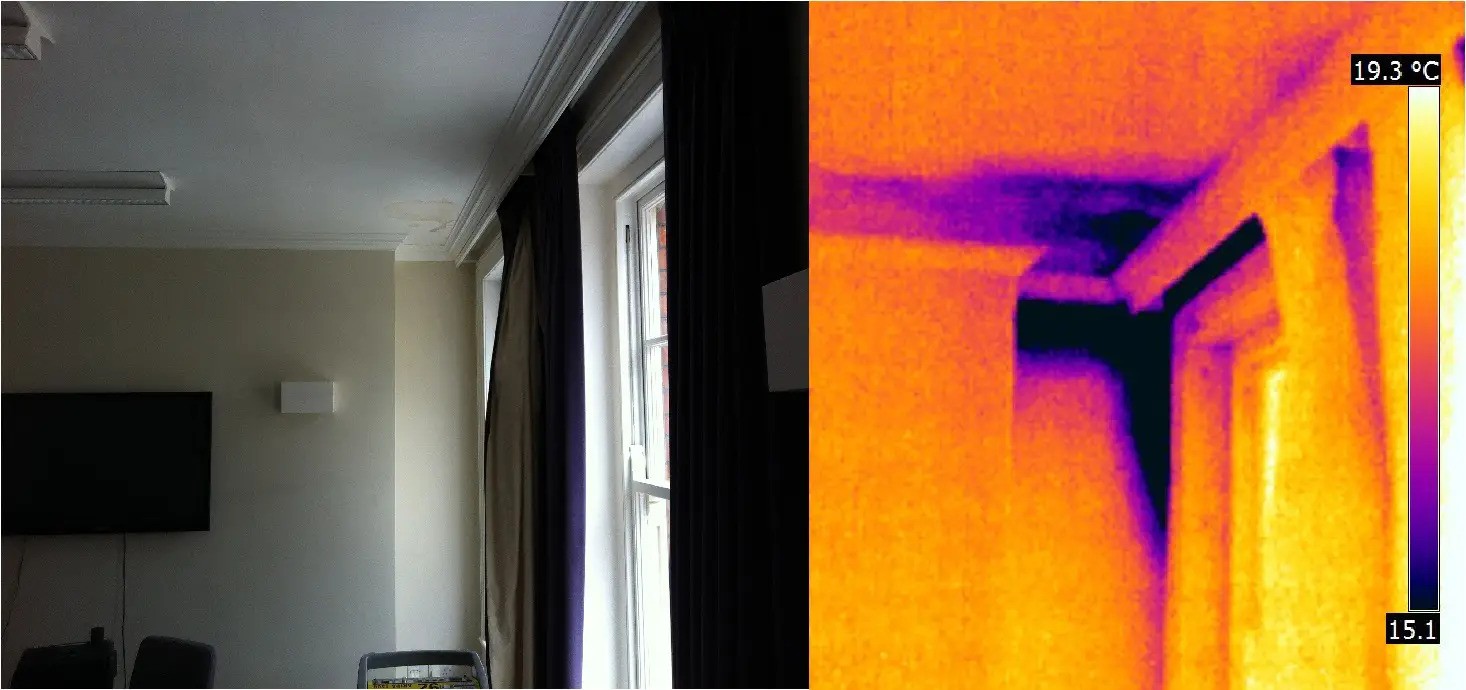
• Thermal imaging cameras detecting temperature changes caused by moisture
• Inspection of plumbing systems
• Evaluation of roofing and exterior seals
• HVAC and duct system inspections
This process allows professionals to identify leaks quickly without unnecessary demolition.
Companies such as Tip Top Water and Fire Damage Restoration often assist North Miami Beach homeowners by locating hidden leaks before extensive repairs become necessary.
Mold Risks Increase During Humid Periods
Mold growth is one of the biggest risks when humidity stays high. Mold thrives in warm, damp environments, and small leaks create perfect conditions.
Mold commonly develops in:
• Behind drywall
• Under flooring materials
• Inside closets or storage areas
• Around air conditioning vents
• Inside insulation
Leak detection combined with proper drying significantly reduces mold risks.
Preventing Leak Problems Before They Worsen
Homeowners can reduce leak risks through proactive maintenance and monitoring, especially during extended humid periods.
Helpful preventive measures include:
• Inspecting plumbing connections regularly
• Maintaining roofs before storm season
• Cleaning AC condensation drain lines
• Monitoring indoor humidity levels
• Inspecting windows and balcony seals
• Checking appliance hoses and connections
• Addressing small leaks immediately
Routine inspections help catch problems early.
Why Local Experience Matters in Leak Detection
Homes in coastal communities face moisture challenges different from inland properties. Professionals familiar with North Miami Beach understand how humidity and construction styles influence moisture spread.
Local specialists recognize common building vulnerabilities and provide solutions tailored to coastal conditions. Tip Top Water and Fire Damage Restoration regularly assists homeowners in detecting and resolving leaks specific to South Florida’s environment.
Acting Early Prevents Major Repairs
Leaks rarely fix themselves. Small moisture problems grow larger when humidity prevents drying. Early detection allows homeowners to repair problems before mold spreads or structural damage occurs.
Professional leak detection ensures hidden moisture is located and corrected before restoration becomes extensive. Quick action helps North Miami Beach residents maintain safe, comfortable homes despite long periods of coastal humidity.