When Homes Require Water Removal in Bal Harbour
Water intrusion is one of the most common property problems in coastal South Florida, and Bal Harbour is no exception. Even well-maintained homes and condominiums can experience water damage from storms, plumbing failures, air conditioning issues, or hidden leaks. In many cases, the need for water removal becomes clear only after moisture has already begun spreading through floors, walls, and structural materials.
Understanding when homes require professional water removal helps property owners act quickly, limit damage, and prevent long-term complications such as mold growth or structural deterioration.
What Water Removal Really Means
Water removal involves more than simply drying visible surfaces. When water enters a home, it often travels beyond the area where it first appears. Flooring materials absorb moisture, drywall retains water internally, and humidity spreads through the air and ventilation systems.
Professional water removal typically includes:
- Extracting standing water
- Detecting hidden moisture
- Drying structural materials
- Controlling humidity levels
- Preventing mold growth
This process ensures that both visible and hidden moisture are addressed, which is essential in humid environments like Bal Harbour.
Why Homes in Bal Harbour Often Need Water Removal
Several local conditions contribute to water intrusion in this area.
Coastal weather is one of the biggest factors. Heavy rainstorms and sudden downpours can overwhelm drainage systems or allow water to enter through small openings around windows, doors, or roofs.
High humidity also plays a role. Moist air slows evaporation, allowing damp materials to remain wet longer than they would in drier climates.
Air conditioning systems are another common cause. Condensation lines can clog, drain pans can overflow, and ductwork can develop leaks. Because AC systems operate almost continuously in South Florida, even minor issues can release significant amounts of water over time.
Nearby communities such as Surfside, North Miami Beach, and Sunny Isles Beach experience similar patterns because of the same climate conditions.
Common Situations That Require Water Removal
Water removal is often necessary after specific types of events.
One of the most frequent causes is plumbing failure. Burst pipes, leaking supply lines, or damaged water heaters can release large amounts of water quickly, saturating flooring and wall cavities.
Storm-related intrusion is another common situation. Wind-driven rain can enter through small gaps in building materials, especially in coastal properties exposed to strong winds.
Appliance leaks also create problems. Washing machines, dishwashers, and refrigerators with water lines can develop slow leaks that go unnoticed until moisture spreads into surrounding materials.
Even small leaks can eventually require professional water removal if moisture is allowed to remain.
Signs That Water Removal May Be Needed
Some signs of water damage are obvious, while others develop gradually.
Property owners often notice:
- Musty or damp odors
- Water stains on ceilings or walls
- Warped flooring or baseboards
- Peeling paint or bubbling drywall
- Increased indoor humidity
In Bal Harbour homes, humidity can sometimes mask early warning signs, making professional moisture detection especially important.
Hidden Areas Where Moisture Often Accumulates
Water rarely stays confined to one area. Some of the most serious damage occurs in locations that are not immediately visible.
Subflooring is one example. Water can seep beneath tile, wood, or laminate flooring, leaving the surface looking dry while moisture remains trapped underneath.
Insulation inside walls can retain water for long periods, especially in humid conditions. Over time, this moisture can lead to odors, deterioration, and mold growth.
Air ducts and HVAC closets are also vulnerable. Condensation or leaks inside these systems may spread moisture into ceilings or nearby walls.
Professionals performing water removal frequently discover hidden damp areas days after the original water intrusion occurred.
Why DIY Drying Often Falls Short
Many homeowners attempt to dry affected areas using fans or household dehumidifiers. While this may help with surface moisture, it rarely addresses water trapped inside building materials.
Drywall, wood, and insulation require controlled drying conditions and proper air circulation to release moisture completely. Without specialized equipment, dampness may remain even when surfaces feel dry.
Another challenge is locating hidden moisture. Professional moisture meters and thermal imaging tools allow technicians to identify affected areas accurately and ensure thorough drying.
How Professional Water Removal Works
A proper water removal process begins with a detailed inspection to determine the extent of moisture.
The restoration process typically includes:
- Extracting standing water using professional pumps or vacuums
- Measuring moisture levels in walls, floors, and ceilings
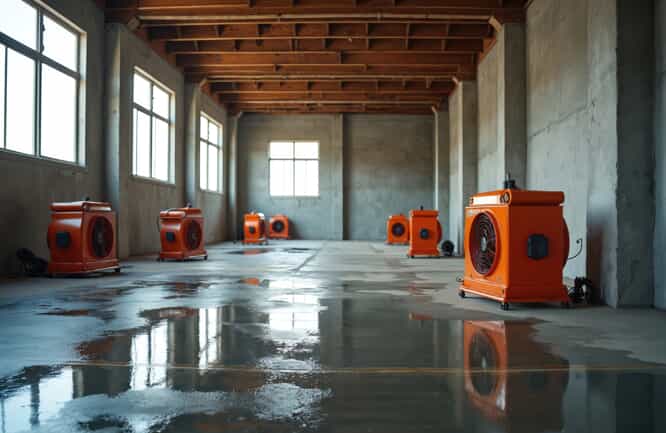
- Setting up air movers and dehumidifiers
- Monitoring drying progress daily
- Cleaning and sanitizing affected surfaces
In coastal areas like Bal Harbour, controlling humidity is a key part of the drying process. Without proper humidity control, moisture may re-enter materials even after extraction.
Companies such as Tip Top Water and Fire Damage Restoration often perform these steps in Bal Harbour properties where hidden moisture would otherwise lead to mold or structural damage.
The Risk of Mold After Water Intrusion
One of the main reasons water removal must be performed quickly is the risk of mold growth.
Warm temperatures and high humidity create ideal conditions for mold to develop. When moisture remains in drywall, insulation, or flooring, mold can begin growing within a short period of time.
Early water removal and proper drying significantly reduce this risk and help maintain indoor air quality.
Air Conditioning Systems and Water Damage
Air conditioning systems are essential in South Florida but can also contribute to water problems.
Blocked drain lines, frozen evaporator coils, or poorly insulated ducts can lead to condensation buildup. Over time, this moisture may drip into ceilings or walls and spread through the structure.
Regular maintenance of AC systems is one of the most effective ways to prevent water damage in Bal Harbour homes.
Preventing Future Water Removal Needs
While not all water intrusion can be prevented, several steps reduce the likelihood of serious damage.
Helpful preventive measures include:
- Inspecting plumbing connections regularly
- Cleaning AC drain lines and filters
- Checking window and door seals
- Maintaining roofs and gutters
- Monitoring indoor humidity levels
Scheduling periodic moisture inspections can also help identify small problems before they become major repairs.
Why Local Experience Matters
Water removal in coastal South Florida requires knowledge of local conditions, building materials, and humidity behavior.
Professionals familiar with Bal Harbour understand how moisture spreads in high-rise buildings and waterfront homes, and how to dry structures effectively in humid environments.
Tip Top Water and Fire Damage Restoration has experience working in Bal Harbour, Biscayne Park, Aventura, and surrounding communities, where water intrusion and humidity-related issues are common.
Local expertise ensures that restoration addresses both visible water damage and hidden moisture that could cause future problems.
A Practical Approach to Protecting Your Property
Water intrusion can happen unexpectedly, but the damage does not have to become severe. Early inspection, professional water removal, and proper drying help prevent long-term structural issues and mold growth.
For homeowners and property managers in Bal Harbour, recognizing the early signs of water damage and responding quickly can make a significant difference. With the right approach, properties can be restored efficiently and protected against future moisture problems.