Why Mold Testing Becomes Necessary in Coastal Neighborhoods Near Biscayne Bay When Humidity Stays High for Weeks
In coastal neighborhoods near Biscayne Bay, humidity is a constant part of daily life. While most homeowners are used to warm, moist air, extended periods of high humidity can create conditions that allow hidden moisture to build up inside homes. When humidity remains elevated for weeks at a time, mold growth becomes far more likely—even without obvious leaks or flooding.
Mold testing often becomes necessary in these situations because moisture can accumulate in areas that are not visible, and mold can develop quietly before homeowners notice any clear warning signs.
How High Humidity Affects Homes Near Biscayne Bay
Humidity does more than make the air feel heavy. Over time, moisture in the air can be absorbed by building materials such as drywall, wood, insulation, and fabrics.
In coastal environments, several factors contribute to prolonged humidity:
- Warm temperatures year-round
- Frequent rainstorms
- Moist air moving inland from the bay
- Continuous air conditioning use
- Limited ventilation in tightly sealed homes
When humidity remains high for weeks, even small areas of condensation can become enough to support mold growth.
Why Mold Can Develop Without a Leak
Many property owners associate mold with roof leaks or flooding, but high humidity alone can create conditions for mold.
Condensation often forms in areas such as:
- Inside walls and ceilings
- Around air conditioning vents
- Behind furniture placed against exterior walls
- Inside closets or storage spaces
- Within ductwork
These areas may remain damp long enough for mold spores to grow, even though no visible water intrusion has occurred.
Why Coastal Homes Are Especially Vulnerable
Homes near Biscayne Bay face unique environmental conditions.
Salt air increases moisture retention on surfaces, and frequent temperature differences between indoor air conditioning and outdoor humidity create condensation. Windows, metal fixtures, and ducts are particularly affected.
High-rise and waterfront properties often rely heavily on air conditioning, and when systems run continuously, condensation inside ducts or drain lines can add to existing humidity levels.
Properties in areas like North Miami, Miami Shores, Surfside, and Biscayne Park often experience similar conditions due to their proximity to the coast.
Signs That Mold Testing May Be Necessary
When humidity remains high for extended periods, certain warning signs suggest mold testing may be beneficial.
These include:
- Musty or earthy odors
- Condensation on vents or windows
- Persistent indoor humidity
- Discoloration on ceilings or walls
- Increased allergy-like irritation indoors
Sometimes there are no obvious signs at all. Mold may be developing behind walls or in attics without being visible, which is why testing is often recommended after prolonged humidity events.
Hidden Areas Where Mold Often Develops
Some of the most common mold growth locations in humid coastal homes are areas homeowners rarely inspect.
Attics are a primary example. Warm air rising from living spaces carries moisture into attic insulation, especially when ventilation is limited.
Air ducts are another common location. Condensation inside ducts can create damp conditions that allow mold to grow on insulation or internal surfaces.
Closets and storage areas can also trap humidity, particularly when airflow is limited.
Moisture trapped in these locations often goes unnoticed until odors or air quality changes become apparent.
Why Visual Inspection Is Not Enough
Mold growth often begins in places that are hidden from view. Even experienced property owners may not be able to detect mold without proper tools.
Professional mold testing helps determine:
- Whether airborne mold spores are elevated
- Whether hidden mold is present
- Whether moisture levels are high enough to support growth
This information helps property owners make informed decisions about drying, ventilation, or remediation.
How Mold Testing Works
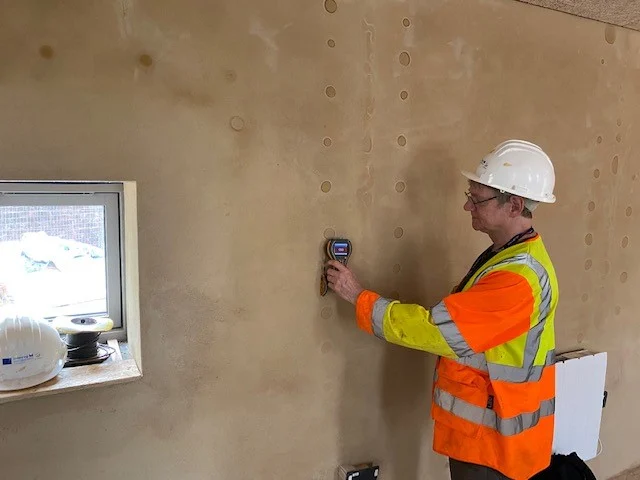
A typical mold testing process begins with a thorough inspection of the property. Moisture detection equipment is used to identify damp areas in walls, ceilings, and flooring.
Air samples may be collected to measure mold spore levels indoors and compare them to outdoor conditions. Surface samples may also be taken if visible growth is suspected.
Companies such as Tip Top Water and Fire Damage Restoration often perform mold testing in coastal properties where humidity remains high for extended periods and hidden moisture is likely.
Testing provides objective data and helps determine whether further action is needed.
The Role of Air Conditioning Systems in Humidity Problems
Air conditioning systems are essential in South Florida, but they can also contribute to moisture issues when humidity remains high.
Common problems include:
- Clogged condensate drain lines
- Dirty evaporator coils
- Poor duct insulation
- Improper airflow
These issues can cause condensation to accumulate and spread moisture into ceilings or walls.
Regular inspection and maintenance of HVAC systems help reduce these risks and improve indoor air quality.
Structural Risks of Prolonged Humidity
Extended humidity does not only affect air quality—it can also damage building materials.
Possible effects include:
- Warping of wood trim and flooring
- Peeling paint or bubbling drywall
- Rust on metal fixtures
- Deterioration of insulation
When mold develops alongside these issues, repairs may become more extensive and costly.
Early mold testing helps identify problems before structural damage becomes severe.
Preventing Mold During Long Periods of Humidity
While coastal humidity cannot be eliminated, several steps help reduce the risk of mold growth.
Helpful measures include:
- Maintaining air conditioning systems regularly
- Using dehumidifiers when indoor humidity rises
- Ensuring attic and bathroom ventilation is adequate
- Keeping air circulating in closets and storage areas
- Scheduling periodic moisture inspections
These steps help control humidity and prevent moisture from accumulating in hidden areas.
Why Local Experience Matters
Mold testing in coastal neighborhoods near Biscayne Bay requires an understanding of local weather patterns, building materials, and ventilation challenges.
Professionals familiar with the region know where moisture tends to accumulate and how prolonged humidity affects different types of structures.
Tip Top Water and Fire Damage Restoration has experience working in North Miami Beach, Miami Shores, Biscayne Park, and nearby coastal communities where humidity-related mold concerns are common.
Local knowledge helps ensure inspections are thorough and tailored to the specific conditions found in coastal homes.
A Practical Approach to Protecting Coastal Homes
When humidity stays high for weeks, mold risks increase even in homes that appear dry. Mold testing provides valuable insight into hidden moisture conditions and helps property owners take preventive action before damage becomes widespread.
For homeowners and property managers near Biscayne Bay, staying proactive with humidity control, ventilation, and periodic inspections is one of the most effective ways to protect both the structure and indoor air quality of a property.
Early detection makes a difference. Addressing moisture before mold spreads is always simpler, faster, and less disruptive than waiting until visible damage appears.