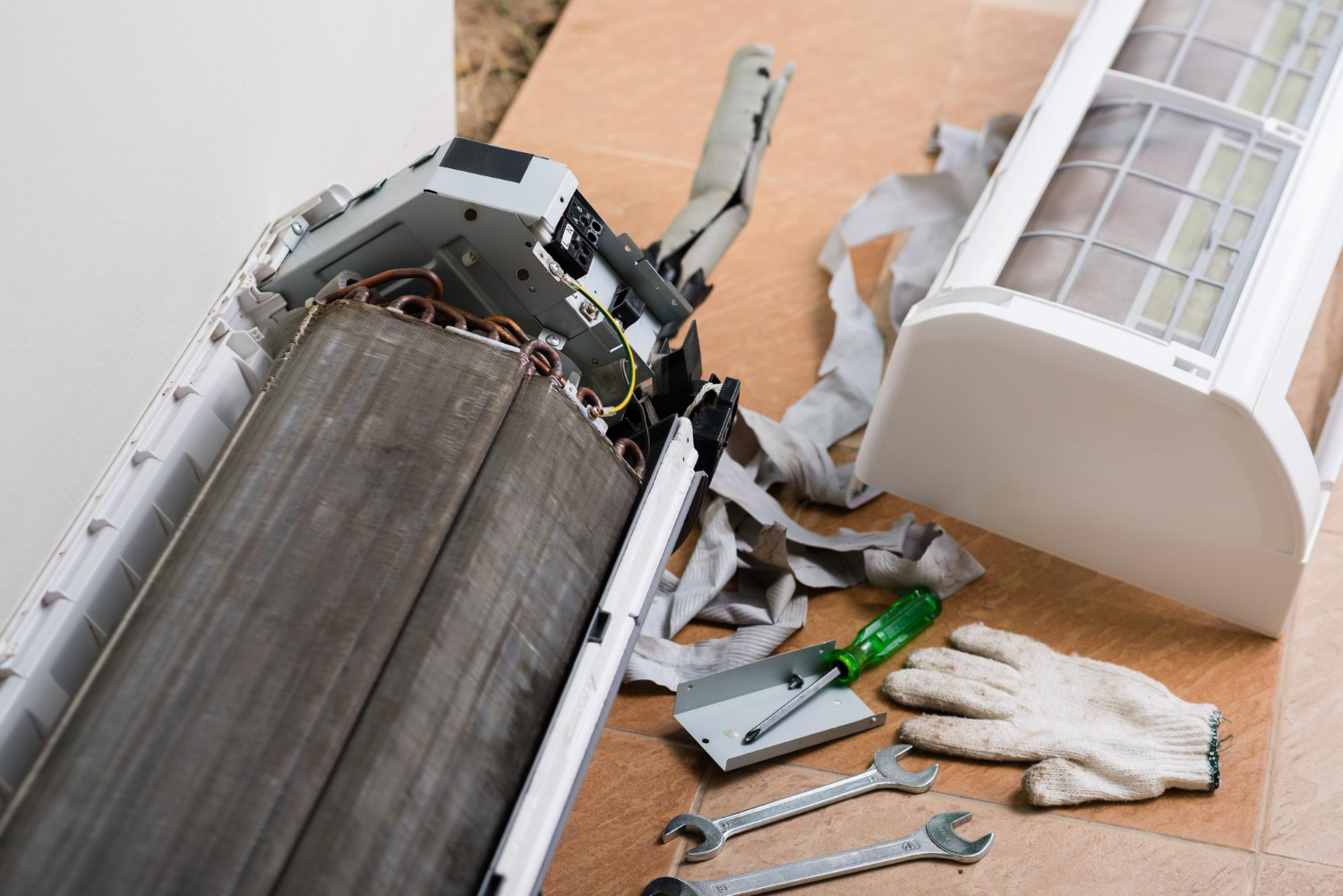
What Really Causes the Need for AC Moisture Repair in North Miami Beach
In North Miami Beach, air conditioning isn’t a seasonal convenience — it’s a daily necessity. Systems run nearly year-round to manage heat and humidity. But with constant operation comes a common and often overlooked problem: moisture.
Many property owners don’t realize their AC system is one of the most frequent sources of indoor water damage and hidden mold growth. When moisture isn’t draining or evaporating properly, it accumulates quietly behind walls, inside ceilings, and around duct systems.
Across North Miami Beach, Sunny Isles Beach, Aventura, and nearby coastal communities, AC moisture repair has become one of the most requested services — not because systems stop cooling, but because they start leaking.
Understanding what really causes these issues helps prevent larger structural damage down the line.
Why AC Systems Produce So Much Moisture in South Florida
Air conditioners don’t just cool air — they remove humidity.
In North Miami Beach’s coastal climate, humidity levels remain high throughout the year. When warm, moist air passes over the AC’s evaporator coil, condensation forms.
That condensation must drain properly.
Under normal conditions, water flows into a condensate pan and exits through a drain line. But when any part of that system fails, moisture backs up and spreads into unintended areas.
In South Florida, AC systems remove more moisture than systems in drier regions. That constant moisture production increases the likelihood of drainage-related problems.
The Most Common Causes of AC Moisture Problems
1. Clogged Condensate Drain Lines
This is the leading cause of AC-related water damage in North Miami Beach.
Dust, algae, and debris accumulate inside drain lines over time. When the line clogs, water has nowhere to go.
It overflows into ceilings, walls, or floors.
In condos in Aventura or high-rise buildings near Sunny Isles Beach, this overflow can affect units below.
2. Rusted or Cracked Drain Pans
Older systems often have metal drain pans that corrode due to constant exposure to moisture and coastal salt air.
Once rusted through, water leaks directly into surrounding areas.
3. Improper System Installation
Improperly pitched drain lines or poorly insulated ducts allow condensation to drip where it shouldn’t.
Even small installation flaws can lead to ongoing moisture problems.
4. Dirty Evaporator Coils
When coils become dirty, condensation may form unevenly or freeze and later thaw in excess, overwhelming the drainage system.
5. High Humidity Overload
In extreme humidity, AC systems work harder. If the system isn’t sized correctly or maintained regularly, it may struggle to remove moisture effectively.
Why Coastal Conditions Make It Worse
North Miami Beach’s location near the ocean introduces additional complications.
Salt in the air accelerates corrosion. AC components deteriorate faster here than in inland areas like western Miami-Dade.
Humidity remains elevated even at night. Systems cycle frequently, producing more condensation.
Homes in Bal Harbour and Surfside face similar challenges, especially those directly exposed to ocean breezes.
Because these environmental factors are constant, small maintenance oversights can quickly turn into moisture repair situations.
Warning Signs of AC Moisture Issues
Property owners often notice subtle indicators before serious damage appears.
Common signs include:
- Water stains on ceilings
- Musty odors near vents
- Dripping sounds inside walls
- Rust around the air handler
- Warped baseboards near AC closets
- Increased indoor humidity despite cooling
In high-rise condos, residents may notice water spots near AC units or along vertical plumbing walls.
Ignoring these early signs allows moisture to spread behind drywall and beneath flooring.
Hidden Damage Caused by AC Leaks
One of the most concerning aspects of AC moisture problems is hidden saturation.
Water from a clogged condensate line may drip slowly into wall cavities for weeks before becoming visible.
Moisture can:
- Soak insulation
- Weaken drywall
- Saturate subflooring
- Create ideal conditions for mold growth
- Affect electrical components
In slab-foundation homes common in North Miami Beach and Miami Shores, water may seep beneath flooring materials unnoticed.
Professional moisture detection is often necessary to identify the full extent.
The Connection Between AC Moisture and Mold
South Florida’s climate creates favorable conditions for mold growth whenever moisture lingers.
AC leaks provide consistent dampness inside enclosed areas.
Because the water source is ongoing rather than sudden, mold growth can develop quietly.
By the time a musty odor becomes noticeable, growth may already be present behind walls or inside ducts.
Proper AC moisture repair often includes inspection for microbial activity to ensure secondary damage hasn’t occurred.
Moisture control is the primary defense against mold in coastal Florida.
Why DIY Fixes Often Fail
Homeowners sometimes attempt quick fixes, such as:
- Pouring bleach into the drain line
- Clearing visible debris
- Wiping up surface water
- Running fans
While these steps may temporarily reduce visible symptoms, they rarely address the root issue.
Without identifying why the clog formed or whether structural materials are saturated, moisture problems return.
Improper cleaning methods can also push debris deeper into drain lines.
Professional AC moisture repair includes:
- Full line clearing
- Drain pan evaluation
- Moisture mapping
- Structural drying
- Verification testing
Surface solutions do not equal long-term protection.
The Professional AC Moisture Repair Process
Repair typically follows a structured approach.
1. Source Identification
Technicians inspect:
- Drain lines
- Drain pans
- Evaporator coils
- Duct insulation
- System installation angle
Identifying the root cause prevents recurrence.
2. Clearing and Repairing Components
Blocked lines are professionally cleared. Damaged pans are replaced. Insulation issues are corrected.
3. Moisture Detection
Walls, ceilings, and floors near the AC system are tested for hidden saturation.
4. Structural Drying
If materials are damp, commercial drying equipment stabilizes humidity and prevents mold growth.
5. Preventive Adjustments
Recommendations may include installing overflow safety switches or scheduling regular maintenance.
This structured approach ensures the issue is resolved — not masked.
High-Rise Condo Challenges in North Miami Beach
In condo buildings, AC moisture repair becomes more complex.
Water from one unit can travel downward, affecting neighbors.
Building management often becomes involved to coordinate access and inspection.
Vertical plumbing chases and shared mechanical systems increase the risk of widespread impact.
In Aventura and Sunny Isles Beach high-rises, early intervention prevents multi-unit restoration projects.
AC moisture repair in condos is rarely isolated to one area.
Long-Term Prevention Strategies
Preventing AC moisture issues requires consistent attention.
Property owners in North Miami Beach can reduce risk by:
- Scheduling biannual AC maintenance
- Cleaning condensate lines regularly
- Installing automatic shutoff switches
- Inspecting drain pans annually
- Monitoring indoor humidity
- Replacing aging systems before failure
Preventative maintenance is far less disruptive than water damage repair.
Coastal systems work harder and deserve closer monitoring.
The Importance of Local Experience
AC moisture repair in North Miami Beach differs from inland climates.
Technicians must understand:
- Coastal corrosion patterns
- High-rise mechanical layouts
- Slab foundation moisture migration
- Year-round humidity effects
Working throughout North Miami Beach, Bal Harbour, Miami Shores, and Aventura provides insight into how AC systems behave in these environments.
Tip Top Water and Fire Damage Restoration approaches AC-related moisture issues with an understanding of Florida’s climate and building styles. Identifying hidden water and preventing secondary damage requires more than clearing a line — it requires comprehensive evaluation.
Local experience allows for accurate assessment and long-term solutions.
Moving Forward with Confidence
AC moisture problems are common in North Miami Beach, but they are manageable when addressed early.
Understanding what causes these issues — from clogged drain lines to coastal corrosion — helps property owners take preventive action.
Water stains, musty odors, or unexplained humidity should never be ignored.
Moisture left unchecked can compromise walls, ceilings, flooring, and indoor air quality.
With proper inspection, structured repair, and ongoing maintenance, AC systems can operate efficiently without creating hidden water damage.
In South Florida’s climate, moisture control is not optional — it’s essential.
Proactive care today prevents larger structural problems tomorrow.