
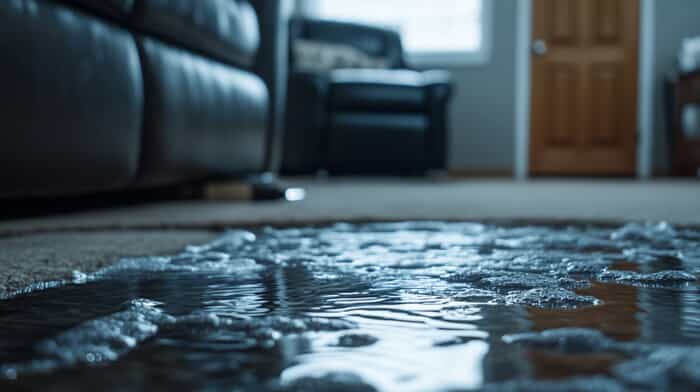
How Coastal Weather Influences Carpet Cleaning After Water Damage in Bayfront Homes in North Miami
Living in a bayfront home in North Miami comes with incredible views, steady ocean breezes, and constant exposure to coastal weather. What most property owners don’t think about is how that same coastal climate changes the way carpet cleaning must be handled after water damage.
In inland cities, drying carpet after a leak can be straightforward. In bayfront neighborhoods near Biscayne Bay, Sunny Isles Beach, and Bal Harbour, it’s a completely different equation. Salt-heavy air, high humidity, wind-driven rain, and elevated water tables all influence how water behaves inside your home — and how your carpet must be treated to prevent long-term damage.
If you own property along the water, understanding these factors can save you from recurring mold issues and structural repairs.
What Happens to Carpet After Water Damage
When water hits carpet, it doesn’t just sit on the surface.
It quickly moves:
- Through the carpet fibers
- Into the padding underneath
- Down into the subfloor
- Along baseboards
- Into drywall
In bayfront homes in North Miami, this spread happens even faster during storm season because indoor humidity is already elevated.
If not addressed immediately, carpet becomes a moisture reservoir — feeding mold growth beneath the surface.
Why Coastal Weather Makes Drying Harder
North Miami’s coastal weather creates constant moisture pressure.
Key factors include:
- Year-round high humidity
- Salt in the air
- Hurricane season rainstorms
- King tide events
- Wind-driven rain intrusion
- Elevated groundwater levels
Even after visible water is removed, the surrounding air often slows evaporation.
In bayfront communities like Surfside and North Miami Beach, moisture can remain trapped beneath carpet for days if not professionally dried.
The Impact of Salt Air on Wet Carpets
Salt air isn’t just a corrosion issue for metal fixtures. It affects drying, too.
Salt particles:
- Increase moisture retention
- Accelerate material breakdown
- Affect indoor air quality
- Contribute to lingering odors
When storm surge or wind-driven rain carries salt-heavy moisture indoors, carpets may require more intensive cleaning and deodorization than inland homes would.
This is especially common in properties directly facing Biscayne Bay.
Common Water Sources in Bayfront Homes
Water damage in North Miami bayfront homes typically comes from:
- Sliding glass door seal failure
- Storm surge splashback
- Balcony drainage overflow
- Roof leaks during heavy rain
- AC condensation buildup
- Plumbing leaks
- Flooding during king tides
In many cases, homeowners initially think the damage is minor because water appears localized. But coastal humidity causes moisture to spread quickly under flooring.
Why Standard Carpet Cleaning Is Not Enough
After water damage, carpet cleaning is not just about stain removal.
It involves:
- Water extraction
- Padding inspection
- Subfloor moisture testing
- Structural drying
- Dehumidification
- Odor control
In coastal North Miami homes, skipping subfloor testing is a common mistake. The carpet may feel dry while the wood or concrete beneath remains saturated.
That hidden moisture becomes the perfect environment for mold growth.
How Professional Drying Differs in Coastal Areas
Professional water damage carpet restoration in bayfront homes requires adjusted drying strategies.
This often includes:
- High-capacity dehumidifiers
- Air movers placed strategically
- Moisture mapping
- Continuous humidity monitoring
- Removal of compromised padding
- Lift-and-dry techniques
Because of North Miami’s humid air, drying equipment must run longer than it would in drier climates.
Without proper monitoring, carpets can reabsorb moisture from the surrounding environment.
Mold Risk Under Carpet in North Miami
In South Florida, mold can begin forming within 24 to 48 hours if materials remain damp.
Under-carpet mold growth is particularly common in:
- Ground-level bayfront homes
- Properties near canals
- Homes with slab foundations
- Older houses built in the 1960s–1980s
Once mold forms beneath carpet, simple cleaning won’t solve the issue. Mold remediation may be required, including removal of padding and treatment of structural components.
Early moisture detection prevents escalation.
The Role of Moisture Detection in Carpet Restoration
Moisture detection tools are essential after water intrusion.
These tools include:
- Moisture meters
- Thermal imaging cameras
- Hygrometers
- Subfloor probes
In bayfront homes, professionals often test:
- Perimeter walls
- Floor transitions
- Closet flooring
- Adjacent rooms
- HVAC vents near the affected area
Even if water appears contained to one room, coastal humidity can allow it to travel.
When Carpet Must Be Removed
Not all carpet can be saved.
Removal may be necessary if:
- Padding is fully saturated
- Water contamination is severe
- Mold growth is confirmed
- Subfloor moisture remains high
- Odor persists after drying
In flood restoration situations involving saltwater intrusion, replacement is often safer than restoration.
Each case requires evaluation.
HVAC Systems and Carpet Moisture
Bayfront homes in North Miami run air conditioning almost continuously.
After water damage:
- AC systems may struggle to control humidity
- Ductwork may accumulate moisture
- Air handlers may produce excess condensation
If humidity remains elevated, even cleaned carpet can reabsorb moisture from the air.
Air duct inspection and proper AC drainage are often part of a complete restoration process.
Long-Term Structural Risks
Carpet may be the first visible sign, but underlying materials are the bigger concern.
Unchecked moisture can lead to:
- Subfloor warping
- Baseboard damage
- Drywall deterioration
- Mold inside wall cavities
- Musty indoor air
In bayfront neighborhoods like Aventura and Bal Harbour, elevated groundwater adds another layer of complexity to drying efforts.
Professional monitoring ensures moisture levels stabilize fully.
Prevention for Bayfront Homeowners
You can reduce carpet damage risk by:
- Inspecting sliding door seals before storm season
- Ensuring balcony drains remain clear
- Maintaining roof flashing
- Monitoring indoor humidity
- Clearing AC drain lines
- Addressing leaks immediately
Properties closest to the water require more frequent inspection due to constant exposure to coastal air.
Routine maintenance protects flooring investments.
Why Local Experience Matters
Carpet cleaning after water damage in North Miami is not the same as carpet cleaning in inland Florida.
Local professionals understand:
- How coastal humidity affects drying timelines
- How salt exposure changes odor treatment
- How elevated water tables influence slab moisture
- How hurricane-force winds push rain indoors
- How older bayfront homes were constructed
Tip Top Water and Fire Damage Restoration approaches carpet cleaning and water damage restoration with a full understanding of these local factors. That experience helps prevent recurring moisture issues and long-term structural damage.
A Practical Next Step
If your bayfront home in North Miami experiences water intrusion — even if it seems minor — don’t assume it will dry on its own.
Coastal weather changes how moisture behaves.
Early water extraction, moisture detection, and controlled drying protect both your carpet and the structure beneath it.
Address moisture thoroughly. Monitor humidity carefully. And treat carpet water damage as a structural issue — not just a surface cleaning task.
That’s how bayfront homeowners stay ahead of mold and long-term damage in South Florida’s coastal climate.